
Yes, you can generally leave perfume in your car during winter, but it’s not ideal and can potentially impact its quality. While perfume isn’t as vulnerable to extreme heat as it is to direct sunlight and very high temperatures, prolonged exposure to very cold temperatures, especially fluctuating ones, can still cause issues.
Winter can bring a unique set of challenges for your favorite fragrances. Many people wonder if leaving their perfume in the car during the colder months is a good idea. The truth is, while a brief exposure to cold might not instantly ruin your scent, consistent or extreme cold, coupled with potential temperature swings, can affect its delicate composition. This article delves into the effects of winter car environments on perfume, offering guidance on proper storage and ensuring your fragrances remain at their best.
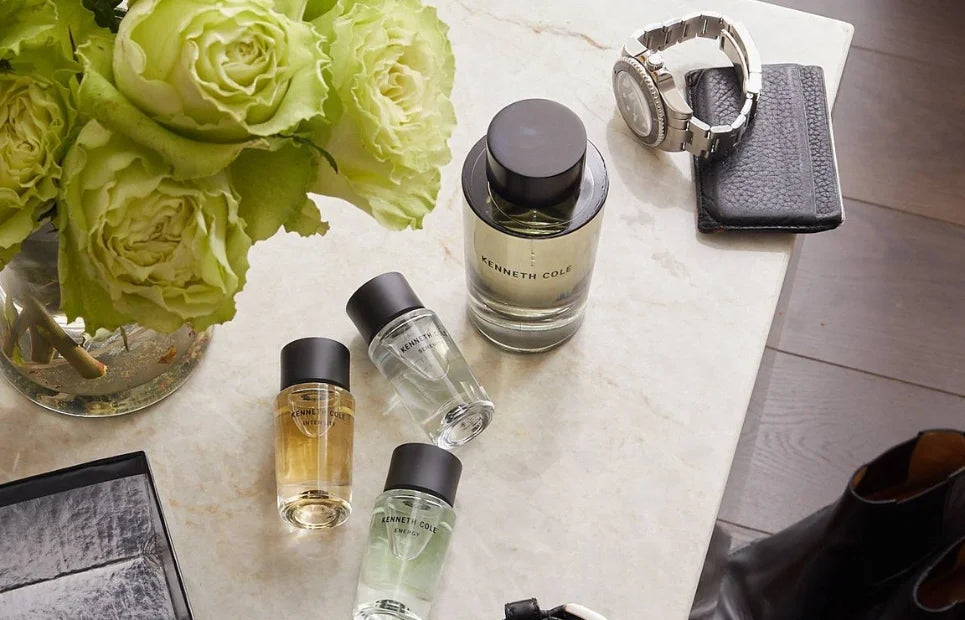
Image Source: perfumania.com
The Cold Facts: How Winter Affects Perfume
Perfume is a complex mixture of aromatic compounds, alcohol, and water. The quality of a fragrance relies on the stability of these ingredients. While we often hear about perfume degrading in heat, cold also plays a role, though often less dramatically.
Perfume Freezing in Car: A Real Concern?
Can perfume freeze in a car during winter? Yes, it can, especially if temperatures drop significantly below freezing. Alcohol, a primary ingredient in most perfumes, has a lower freezing point than water. However, when diluted with water and other perfume components, the mixture can still freeze if the temperature is low enough.
When perfume freezes, the alcohol and water components can separate from the oils and aromatic compounds. This separation can disrupt the intended balance of the fragrance. Imagine a salad dressing where the oil and vinegar separate; it doesn’t quite taste the same. Similarly, frozen and thawed perfume might not smell exactly as it did before.
Extreme Cold Perfume Damage: What to Expect
Extreme cold can lead to physical changes in your perfume. Beyond freezing, the rapid expansion and contraction of liquids due to temperature fluctuations can stress the bottle and its seal. This could potentially lead to leaks or, in rare cases, a cracked bottle.
The more insidious damage, however, relates to the olfactory experience. Cold can dull the scent. When you apply a fragrance that has been subjected to extreme cold, the volatile compounds that create its aroma might not evaporate and diffuse as effectively. This can result in a weaker scent or a noticeable change in the fragrance profile, often making it less vibrant and complex.
Car Interior Temperatures Winter: The Unpredictable Factor
The interior of a car in winter can experience surprisingly wide temperature swings. While it might be freezing outside, a car parked in the sun on a clear winter day can heat up considerably inside. This creates an environment of rapid temperature changes.
- Morning: Ice cold.
- Midday (sun): Warming significantly.
- Evening: Rapidly cooling as the sun sets.
These constant shifts are detrimental. They can cause the liquid to expand and contract repeatedly, stressing the perfume’s delicate molecular structure and potentially impacting its longevity and scent integrity. This makes the car interior a rather unpredictable storage unit for fragrances during the winter months.
Effects of Cold on Perfume: A Deeper Dive
The primary components of perfume are alcohol, water, and fragrance oils (which include essential oils, absolutes, and synthetic aroma chemicals).
- Alcohol: While alcohol itself doesn’t freeze easily, its presence influences the freezing point of the mixture.
- Water: Water freezes at 0°C (32°F).
- Fragrance Oils: These are complex organic molecules. Extreme cold can cause some of these molecules to become less volatile, meaning they won’t release their scent as readily. In very extreme cases, some oils might even crystallize or solidify temporarily.
When perfume is exposed to cold and then warmed up, the rate at which the scent evaporates can be altered. This can lead to a fragrance that smells “off” or different from its original composition. Some nuanced notes might be lost, or the top notes, which are typically the most volatile and noticeable first, might be diminished.
Perfume Sensitivity to Cold: It’s More Than Just Freezing
It’s a common misconception that only heat damages perfume. Cold can also cause harm, albeit in different ways.
- Reduced Volatility: As mentioned, cold makes aromatic compounds less volatile. This means the scent won’t project as strongly or as far.
- Oxidation: While heat accelerates oxidation, rapid temperature changes can also stress the perfume, potentially leading to oxidation over time, which can alter the scent.
- Separation: Freezing and thawing cycles can cause the oil and alcohol/water phases to separate, leading to a cloudy appearance and an inconsistent scent.
It’s the duration and extremity of the cold, combined with temperature fluctuations, that pose the greatest risk. A short drive on a moderately cold day is unlikely to cause significant harm. However, leaving a bottle in a car overnight in sub-zero temperatures, or for extended periods in a very cold climate, increases the chances of damage.
Storing Fragrance in Cold Weather: What You Need to Know
When considering how to store your precious perfumes during the winter, the goal is to maintain a stable, moderate temperature. This means avoiding extremes of both heat and cold.
Can Perfume Freeze: The Practical Answer
To reiterate, yes, perfume can freeze in a car in winter if the temperatures are sufficiently low. The freezing point will depend on the alcohol concentration and the specific oils used. A higher alcohol concentration generally means a lower freezing point. However, many perfumes contain a significant amount of water, which will freeze at the standard 0°C (32°F).
If you suspect your perfume has frozen, avoid shaking it vigorously. Allow it to thaw naturally at room temperature. Once thawed, observe it for any cloudiness or separation. If it appears normal and smells as expected, it might still be usable, but its longevity or scent profile could be slightly altered.
Winter Car Perfume Storage: The Risks Involved
Leaving perfume in your car during winter presents several risks:
- Freezing: Leading to separation and altered scent.
- Temperature Fluctuations: Causing stress to the perfume’s components and potentially the bottle.
- Weakened Scent Projection: The cold can make the fragrance less noticeable.
- Potential for Leaks: If the bottle freezes and expands, it could compromise the seal.
Consider the environments your perfume will encounter:
| Environmental Factor | Impact on Perfume |
|---|---|
| Extreme Cold | Can cause freezing, separation of ingredients, and reduced scent volatility. |
| Rapid Warming | If a frozen bottle is exposed to rapid warming, it can cause further stress. |
| Sunlight | (Even in winter) Direct sunlight can heat the car’s interior dramatically. |
| Humidity | Can affect the alcohol-water balance, though less of a direct winter car issue. |
Best Way to Store Perfume in Winter: Prioritizing Preservation
The absolute best way to store perfume in winter is to keep it with you or in a stable indoor environment.
- Keep it with you: If you must transport perfume, carry it in your bag or coat pocket. This keeps it at body temperature, preventing extreme cold exposure.
- Home Storage: The ideal place to store perfume is in a cool, dry place away from direct light, such as a dresser drawer, closet, or vanity table. This ensures a consistent temperature year-round.
- Avoid Bathrooms: While often thought of as a perfume storage spot, bathrooms experience humidity and temperature fluctuations, which can be detrimental.
If you absolutely must leave a perfume in your car for a short period, try to place it in a less exposed area. For instance, avoid the dashboard where sunlight can directly hit it, or the door pockets where temperatures might fluctuate more rapidly. A trunk might offer a slightly more stable, albeit cold, environment than the passenger cabin.
Winter Driving Perfume Safety: More Than Just Scent
When we talk about winter driving perfume safety, it’s not about physical hazards in the way a loose object might be. Instead, it’s about preserving the integrity of the product. A compromised perfume isn’t just a waste of money; it can be a disappointing experience if you reach for your favorite scent only to find it smells different or weaker.
Moreover, if a perfume bottle were to freeze and expand significantly, there’s a minuscule risk of the bottle cracking. While most perfume bottles are sturdy glass, extreme pressure from freezing liquid could theoretically cause damage.
Decoding Fragrance Stability: Key Factors
Understanding the ingredients and their properties helps explain why temperature matters so much for perfume.
Fragrance Components and Temperature Sensitivity
- Top Notes: These are the first scents you notice, typically light and volatile (e.g., citrus, light florals). Cold can make them less apparent initially.
- Middle Notes (Heart Notes): These emerge after the top notes fade and form the core of the fragrance (e.g., heavier florals, spices). They can also be affected by cold, though often less so than top notes.
- Base Notes: These are the deepest, longest-lasting scents (e.g., woods, musk, amber). They are the least volatile and generally the most stable.
Extreme cold can suppress the release of all these notes, making the fragrance seem flat.
The Role of Alcohol in Perfume Formulation
Alcohol serves as a solvent and a carrier for the fragrance oils. It also helps the perfume to evaporate and diffuse from the skin.
- Evaporation: A key part of how perfume works is through evaporation. The rate of evaporation is temperature-dependent. Cold slows it down.
- Preservation: Alcohol also acts as a preservative, preventing bacterial growth. However, this doesn’t protect it from physical changes due to temperature.
What Happens When Perfume Thaws?
If your perfume has frozen, allow it to thaw naturally at room temperature. Do not use heat sources like a hairdryer or microwave, as this will subject it to rapid temperature changes and further damage.
Once thawed, if the perfume looks clear and smells correct, it may still be usable. However, be aware that the scent might have changed subtly. The top notes might be less prominent, or the overall blend might seem slightly altered. It’s best to test it on a piece of paper or on your skin before relying on it for a special occasion.
Protecting Your Collection: Practical Tips
Maintaining your perfume collection means being mindful of its storage environment.
Winterizing Your Fragrances
Think of “winterizing” your fragrances as protecting them from the cold. This means actively removing them from environments where they could be exposed to freezing or extreme temperature fluctuations.
- Regular Checks: If you live in a very cold climate, make it a habit to check if you have any perfumes accidentally left in your car.
- Dedicated Travel Cases: If you frequently transport perfumes, consider investing in insulated travel cases. While not designed for extreme cold, they can offer a small buffer against rapid temperature changes.
Alternative Storage Solutions for Cold Climates
In regions with harsh winters, proactive storage is key.
- Insulated Bags: A small insulated grocery bag or a cosmetic bag with thermal lining can provide a protective layer if you must transport perfume.
- Home Organization: Ensure your home storage is away from windows, radiators, or drafty areas. Even indoors, a consistent temperature is vital.
When to Let Go: Recognizing Damaged Perfume
While many perfumes are resilient, some signs indicate that your fragrance may have suffered damage:
- Cloudy Appearance: If your perfume looks hazy or has sediment at the bottom after thawing.
- Altered Scent: If the fragrance smells sour, metallic, weak, or significantly different from what you remember.
- Color Change: A noticeable darkening or yellowing of the perfume liquid can sometimes indicate oxidation.
If you notice these changes, it’s often best to retire the perfume. The enjoyment of a scent is diminished if it no longer smells as intended.
Frequently Asked Questions (FAQ)
Q1: Can perfume go bad if left in a cold car?
A1: Yes, perfume can go bad or have its scent profile altered if left in a cold car, especially if it freezes or experiences rapid temperature changes.
Q2: Will my perfume freeze solid in my car?
A2: It’s possible. If the car’s interior temperature drops below the freezing point of the specific perfume mixture (which is often below 0°C or 32°F due to alcohol content), it can freeze.
Q3: What happens if perfume freezes?
A3: When perfume freezes, the alcohol and water components can separate from the oils and aroma compounds. This can lead to a cloudy appearance, potential leaks, and a change in the scent when it thaws.
Q4: Is it okay to use perfume that has been frozen?
A4: You can try, but the scent may be altered. Allow it to thaw naturally and check for any visible changes or scent differences. If it smells significantly off, it’s best not to use it.
Q5: What are the best practices for storing perfume in winter?
A5: The best practice is to store perfume in a cool, dry place away from direct light and temperature extremes, such as a dresser drawer or closet. Avoid leaving it in your car or on windowsills.
Q6: Can cold weather damage perfume without freezing?
A6: Yes, even without freezing, extreme cold and rapid temperature fluctuations can stress the perfume’s ingredients, potentially reducing its longevity and altering its scent.
Q7: Does the type of perfume matter (e.g., Eau de Parfum vs. Eau de Toilette) for cold sensitivity?
A7: Generally, the concentration of fragrance oils doesn’t significantly change its sensitivity to extreme cold in the same way as extreme heat. The alcohol and water content, and the specific oils used, are the primary factors. However, all perfumes are best kept in stable conditions.
Leaving your cherished fragrances in the car during winter is a gamble. While they might survive short periods without noticeable damage, the risks of freezing, separation, and scent alteration are very real. Prioritizing stable, moderate temperatures for your perfume collection will ensure you can enjoy its intended aroma for years to come.