
Do you ever crank up your favorite song in the car, only to be met with a muddy, weak sound? It’s frustrating when your music doesn’t sound as amazing as it should. Your car should be your personal concert hall, but often, stock speakers just don’t cut it. Choosing new sound quality car speakers can feel like navigating a maze. So many brands, sizes, and technical terms can make your head spin. You want clear highs, rich mids, and deep bass, but how do you actually find speakers that deliver that perfect sound?
This guide cuts through the confusion. We break down what truly matters when looking for top-tier audio. You will learn the secrets to picking speakers that match your car and your ears perfectly. By the end, you will feel confident choosing the best upgrade for crystal-clear, powerful music on every drive. Ready to transform your daily commute into an incredible listening experience? Let’s dive into the world of superior car sound!
Top Sound Quality Car Speakers Recommendations


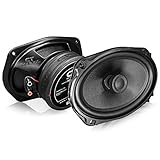


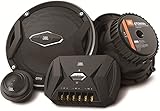

Your Guide to Amazing Car Audio: Choosing the Best Sound Quality Speakers
Upgrading your car speakers is one of the best ways to transform your daily drive. Great sound makes long trips fun and boring commutes enjoyable. But with so many options, how do you pick the speakers that deliver true sound quality? This guide helps you understand what matters most.
Key Features to Look For
When shopping, these features directly impact how music sounds:
1. Speaker Type (Component vs. Coaxial)
- Coaxial Speakers (Full Range): These are the simplest. The tweeter (for high sounds) sits inside the woofer (for low and mid sounds). They fit easily into factory spots.
- Component Speakers: These separate the tweeter, woofer, and a crossover (a small box that sends the right sounds to the right speaker). They offer better sound separation and staging, making music sound like it’s coming from in front of you, not just the doors.
2. Power Handling (RMS vs. Peak)
Power handling tells you how much power the speaker can safely take. Always look at the RMS (Root Mean Square) rating. This is the continuous, real-world power the speaker handles well. Peak power is just a short burst. Higher RMS usually means clearer sound at louder volumes.
3. Sensitivity Rating
Sensitivity measures how loud a speaker plays with a certain amount of power (usually 1 watt). A higher number (like 92 dB) means the speaker gets louder easily. If you are using your car’s factory radio (low power), choose high-sensitivity speakers.
Important Materials That Matter
The materials used build the speaker cone, which moves air to create sound waves. Better materials last longer and sound better.
Cone Material
- Polypropylene: This is common and affordable. It handles moisture well, making it great for car doors. It provides clear mid-range sound.
- Paper (Treated): Often sounds very natural and warm. It needs protection from moisture, though modern treatments help.
- Carbon Fiber or Aluminum: These stiff, light materials provide very accurate and fast response, excellent for crisp highs and punchy bass.
Surround Material
The surround is the flexible ring connecting the cone to the speaker basket. Rubber surrounds flex well and resist weather damage. Foam surrounds can sound great initially but break down faster in extreme car temperatures.
Factors That Improve or Reduce Quality
What makes a speaker sound fantastic, and what makes it sound terrible?
Improving Quality:
- Stiffness: Stiff speaker cones do not flex or warp when pushed hard. This keeps the sound accurate, especially at high volumes.
- Strong Magnets: Larger, better magnets provide better control over the speaker cone, leading to tighter bass response.
- Crossovers: Quality crossovers in component sets ensure that harsh high frequencies do not reach the woofer, keeping the sound clean.
Reducing Quality:
- Poor Installation: If speakers vibrate against the door panel or mounting surface, the sound becomes muddy. Proper mounting is crucial.
- Too Much Power (Clipping): Forcing too much power, especially from a weak radio, damages the speaker voice coils, causing distortion.
- Weather Exposure: Using non-weatherproof speakers in areas where they might get wet will cause them to degrade quickly.
User Experience and Use Cases
Think about how you listen to music in your car.
- Casual Listener: If you listen mostly at moderate volumes, good coaxial speakers with decent sensitivity will be a great, easy upgrade.
- Bass Lover: You need woofers built with strong materials and good RMS power handling. Look for deeper mounting depths if your car allows.
- Audiophile (Detail Focused): Component systems are almost always the better choice. They let you aim the tweeters toward your ears, creating a superior soundstage.
10 Frequently Asked Questions (FAQ) About Car Speaker Sound Quality
Q: Do I need an amplifier to get better sound quality?
A: An amplifier helps a lot, especially for component speakers or if you listen loudly. It gives the speakers clean, consistent power, which reduces distortion and improves bass control.
Q: Are expensive speakers always better?
A: Not always. A moderately priced, well-built speaker installed correctly will often sound better than a very expensive speaker that is poorly matched to your head unit or installed badly.
Q: What is ‘sound staging’?
A: Sound staging is how well the music sounds like it is coming from a specific place—like the dashboard—instead of just your feet or doors. Component systems help improve staging the most.
Q: Should I replace all my speakers at once?
A: It is best to replace them in pairs (front doors first, then rear). The front speakers do most of the heavy lifting for your listening experience.
Q: Can I install speakers myself?
A: Yes, if you are handy. You will need basic tools and possibly mounting adapters. Look up tutorials specific to your car model first.
Q: What is the role of the tweeter in sound quality?
A: The tweeter handles the highest frequencies—cymbals, string harmonics, and vocal sibilance. A good tweeter sounds crisp, not harsh or tinny.
Q: How does speaker size affect sound quality?
A: Larger woofers (like 6.5 inches vs. 5.25 inches) generally move more air, which helps produce deeper, punchier mid-bass notes.
Q: If my factory radio is weak, should I prioritize sensitivity?
A: Yes. If you aren’t adding an amp, high sensitivity speakers make the most of the low power your factory radio provides, resulting in louder, cleaner output.
Q: What is impedance (Ohms) and why does it matter?
A: Impedance is electrical resistance. Most car speakers are 4 Ohms. Make sure your new speakers match the recommended Ohm rating of your existing radio or amplifier to prevent overheating or low power output.
Q: Do I need to buy matching brands for all my speakers?
A: While not strictly necessary, using speakers from the same manufacturer often ensures a more consistent tonal balance across all the different drivers in your car.