
Imagine hosting a backyard party. The music is great, the company is even better, but something feels missing. The bass just isn’t hitting right, leaving your outdoor soundtrack feeling flat. You want that deep, rich sound that makes music truly come alive, even in open air.
Choosing the perfect outdoor subwoofer can feel like a mission. You worry about weather damage, finding a speaker that truly blends with your landscaping, and most importantly, getting audio quality that rivals your indoor system. Many shoppers feel overwhelmed by technical specs and confusing marketing jargon.
This guide cuts through the noise. We will break down exactly what you need to look for, from weatherproofing ratings to optimal placement. By the end of this post, you will know how to select an outdoor subwoofer that delivers powerful, crystal-clear bass year after year.
Ready to transform your patio or pool area into an epic audio oasis? Let’s dive into everything you need to know about outdoor subwoofers.
Top Outdoor Subwoofer Recommendations
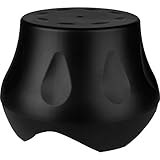

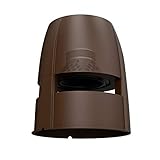


Choosing the Best Outdoor Subwoofer: Your Complete Buying Guide
Adding deep, rumbling bass to your outdoor sound system makes a huge difference. Whether you are hosting a backyard party or just relaxing by the pool, an outdoor subwoofer brings your music to life. Buying the right one can seem tricky, but this guide breaks down everything you need to know.
Key Features to Look For
Size Matters: Driver Diameter
The driver is the part that actually makes the sound. Outdoor subwoofers usually come in sizes like 8-inch, 10-inch, or 12-inch. Bigger drivers generally move more air, creating louder and deeper bass. For a small patio, an 8-inch might work. For a large yard, aim for 10 or 12 inches.
Power Handling: Watts
Watts tell you how much power the speaker can handle. Look for the RMS (Root Mean Square) rating, which shows continuous power handling. More watts usually mean louder, clearer sound without distortion, especially when you turn the volume up high.
Frequency Response
This shows the range of low notes the subwoofer can play. Lower numbers mean deeper bass. Good outdoor subwoofers often reach down to 30Hz or even lower. This range is what you “feel” as much as hear.
Passive vs. Powered
- Passive Subwoofers: These need a separate amplifier to work. They offer more flexibility in system design.
- Powered (Active) Subwoofers: These have the amplifier built right in. They are simpler to set up—just plug them in and connect them to your audio source.
Important Materials for Outdoor Durability
Since these speakers live outside, materials are critical. You want things that resist sun, rain, and temperature swings.
Enclosure (The Box)
The enclosure must be tough. High-density polyethylene (HDPE) plastic is very common because it resists moisture and UV rays well. Some premium models use sealed fiberglass or treated wood composites. Ensure all seams are tightly sealed to keep water out.
Driver Cone
The cone needs to handle moisture without warping. Look for materials like treated polypropylene or woven fiberglass. Avoid standard paper cones, as they break down quickly outdoors.
Grille and Hardware
The protective grille should be made of powder-coated aluminum or stainless steel. These metals resist rust. Screws and mounting hardware must also be stainless steel.
Factors That Improve or Reduce Quality
What Makes Bass Sound Better?
A well-designed cabinet reduces unwanted vibrations. Look for enclosures that use internal bracing or are heavily sealed. High-quality voice coils and magnets provide better clarity and responsiveness. Weatherproofing is also a quality factor—a truly weatherproof seal means the speaker lasts longer and sounds consistent.
What Lowers Sound Quality?
Cheap plastic enclosures vibrate too much, muddying the bass. If the materials are not UV-resistant, the cone and surround (the flexible edge around the cone) will crack over time. Poor power handling leads to distortion when you play music loudly.
User Experience and Use Cases
How you plan to use your subwoofer guides your purchase.
Installation Flexibility
Some subwoofers are designed to be buried partially in the ground (often called “rock” or “in-ground” subs). These blend in perfectly. Others are designed to sit above ground, often disguised as landscape rocks or placed on a deck or patio.
Coverage Area
Think about how large your listening area is. A small 500-square-foot patio needs less power than a large 2,000-square-foot backyard. If you need sound to cover a very large area, consider using two smaller subwoofers instead of one huge one for more even bass distribution.
A good outdoor subwoofer transforms your backyard into an entertainment zone. By focusing on robust materials and appropriate power for your space, you can enjoy rich, powerful music outdoors for years.
Outdoor Subwoofer Buying Guide FAQ
Q: What is the main difference between an indoor and an outdoor subwoofer?
A: The biggest difference is the materials. Outdoor subwoofers use weather-resistant plastic, treated cones, and stainless steel hardware to survive rain and sun. Indoor subs are not built to handle the elements.
Q: Do I need an amplifier for an outdoor subwoofer?
A: It depends on the type. Passive subwoofers always need a separate amplifier. Powered (active) subwoofers have the amplifier built inside the unit, so you only need to connect them to a power source and your receiver.
Q: How important is the IP rating?
A: The IP rating (Ingress Protection) is very important. It tells you how well the speaker resists water and dust. Look for an IP rating of IPX5 or higher for good protection against rain.
Q: Can I bury an outdoor subwoofer in the ground?
A: Yes, many models are specifically designed for in-ground installation. These usually have a strong plastic housing that protects the speaker driver while allowing the sound to project upward through a grille.
Q: Will the sun damage my outdoor subwoofer?
A: Yes, harsh UV rays damage plastics and rubber over time. Quality outdoor speakers use UV-stabilized materials to fight this damage, but placement in partial shade can still extend their life.
Q: What impedance (Ohms) should I look for?
A: Most outdoor subwoofers operate at 4 or 8 Ohms, similar to indoor speakers. Make sure your amplifier is rated to safely power the Ohm load of the subwoofer you choose.
Q: How do I connect a powered outdoor subwoofer?
A: Powered subs usually connect to the subwoofer pre-out or LFE (Low-Frequency Effects) output on your AV receiver. You will also need a standard outdoor-rated power cord connected to an outlet.
Q: Are outdoor subwoofers as loud as indoor ones?
A: A good quality outdoor subwoofer can be very loud. However, because sound travels and dissipates much faster outdoors, you often need more power (higher wattage) to achieve the same perceived loudness as you would in an enclosed room.
Q: What is the easiest type of outdoor sub to install?
A: Powered (active) subwoofers are usually the easiest. Since they have their own amp, you skip the step of wiring an external amplifier.
Q: Should I buy a subwoofer that matches my existing outdoor speakers?
A: While matching brands can ensure good tonal balance, it is not strictly necessary. Focus more on matching the power handling capabilities and the overall weather rating of the components.