
Yes, you can take your convertible through a car wash, but it’s not always the best idea, especially if it’s an automatic car wash. Many owners worry about car wash damage convertible tops, and for good reason. While modern convertibles are built to be durable, certain types of car washes and specific precautions can significantly impact the longevity and appearance of your convertible’s roof. This guide will delve into the ins and outs of convertible car wash safety, exploring the best convertible wash options and crucial convertible care tips to keep your ride looking its best.
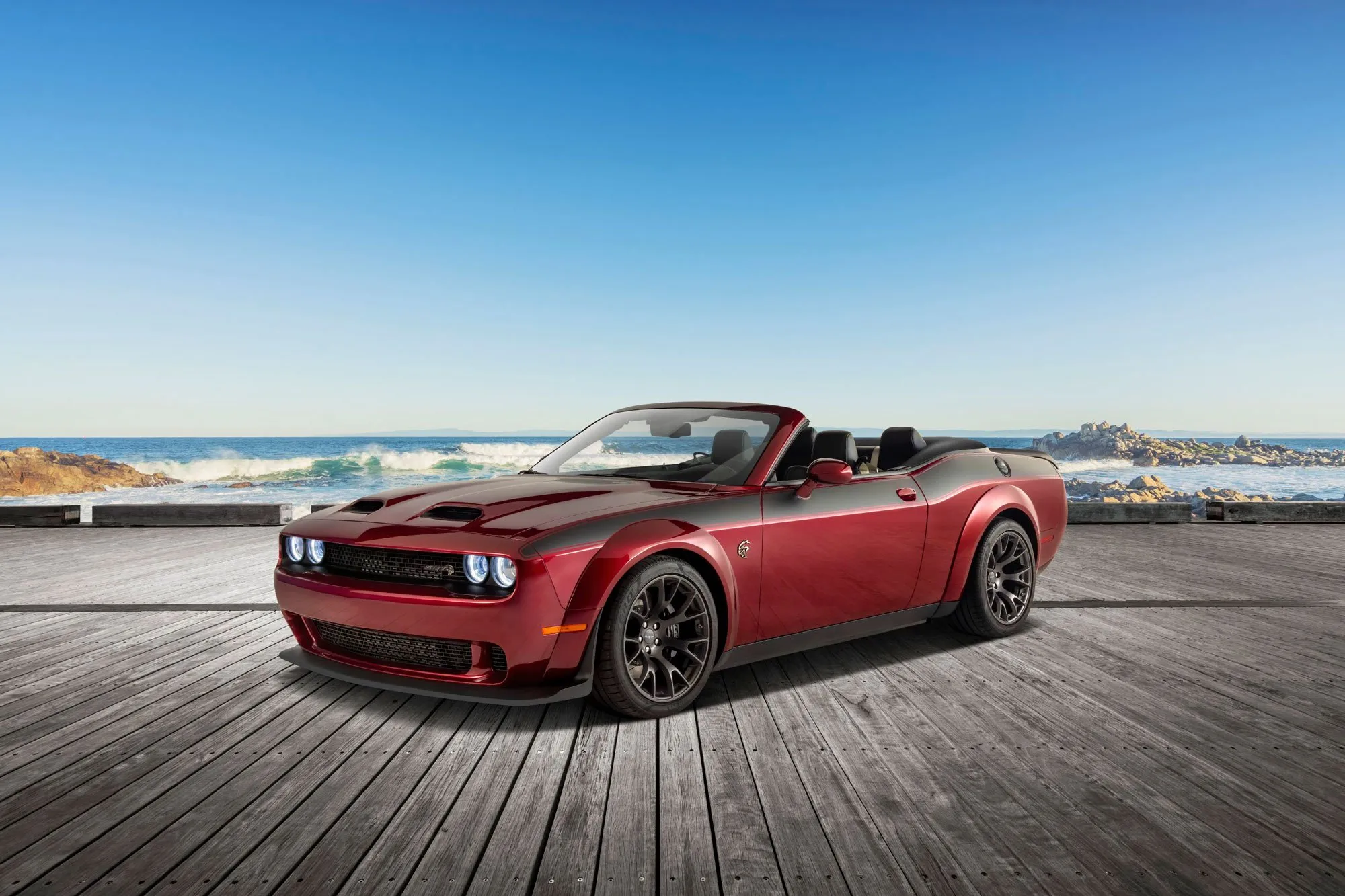
Image Source: elcarwash.com
The Nuances of Convertible Roofs
Convertible roofs, whether they are made of fabric (soft tops) or a more rigid material, are the most vulnerable parts when it comes to washing. The type of roof your convertible has plays a significant role in how you should approach convertible cleaning.
Soft Tops: Delicate and Demanding
Soft top car wash procedures require particular attention. These roofs are typically made from a multi-layered fabric, often vinyl or cloth, designed to withstand the elements. However, they can be susceptible to:
- Abrasion: Stiff brushes or rough materials in automatic car washes can scuff, snag, or even tear the fabric.
- Chemicals: Harsh detergents can strip away protective coatings, fade colors, and degrade the material over time.
- High-Pressure Water: While designed to be waterproof, excessive high-pressure water can potentially force its way through seals or damage weaker points in the fabric.
- Drying Mechanisms: Air blowers in some washes can be abrasive.
Hardtops: More Robust, But Not Invincible
Convertibles with retractable hardtops are generally more resilient. These are usually made of painted metal or composite materials, similar to a regular car’s body. However, care should still be taken:
- Paint Damage: The painted surfaces of a hardtop are still susceptible to scratches from brushes or debris.
- Seals: The seals around the retractable roof mechanism are crucial for waterproofing. Harsh cleaning can degrade these seals.
- Mechanism Stress: While unlikely, aggressive jostling in an automatic wash could theoretically stress the moving parts of a retractable roof, especially if it’s older or has any existing issues.
Deciphering Convertible Wash Options
When it comes to washing your convertible, you have several choices, each with its own pros and cons.
Hand Washing: The Gold Standard for Convertible Care
Hand washing is by far the safest and most recommended method for convertible cleaning. It allows you to control the pressure, the chemicals used, and the tools employed.
Steps for a Safe Hand Wash:
- Pre-Rinse: Gently rinse the entire car, including the roof, with a moderate stream of water to remove loose dirt and debris. This prevents them from being ground into the fabric during washing.
- Gentle Soap: Use a pH-neutral car wash soap specifically designed for automotive use. Avoid household detergents or abrasive cleaners.
- Soft Mitts: Use a soft wash mitt made of microfiber or lamb’s wool. Wash the roof gently, working in one direction.
- Separate Mitts: Consider using a separate mitt for the roof and the body of the car to avoid transferring grit from the body to the roof.
- Rinsing: Rinse the roof thoroughly with a gentle stream of water.
- Drying: Pat the roof dry with a clean, soft microfiber towel. Avoid rubbing vigorously. Allow the roof to air dry completely if possible before closing it, especially for fabric tops, to prevent mildew.
Touchless Automatic Car Washes: A Better Automatic Option
If you must use an automatic car wash, a touchless car wash is a far better option than a traditional one with brushes.
Touchless Car Wash Considerations:
- No Brushes: The primary advantage is the absence of physical brushes that can cause scratching or snagging.
- High-Pressure Water: These washes rely on high-pressure water jets and strong chemicals to clean the vehicle.
- Chemical Strength: Be aware that the chemicals used in touchless washes can sometimes be stronger to compensate for the lack of physical contact. This can potentially affect convertible roof protection if used too frequently.
- Underbody Wash: Many touchless washes include an underbody spray, which is generally safe for convertibles.
- Drying: Most touchless washes use powerful air blowers for drying. Ensure your roof is properly sealed and in good condition to avoid water ingress.
Traditional Automatic Car Washes: Proceed with Extreme Caution
Driving convertible through car wash with brushes is generally not recommended. While modern automatic car washes have improved, the risk of car wash damage convertible tops remains significant.
Risks of Traditional Automatic Car Washes:
- Brush Damage: The rotating brushes, especially if worn or containing debris, can cause scuff marks, abrasions, and even tears on soft tops.
- Detergent Impact: The strong detergents used can be harsh on convertible fabrics and their water-repellent coatings.
- High-Pressure Jets: As mentioned, these can be a concern for seals.
- Pre-Soak Sprays: Some systems use pre-soak sprays that can be aggressive.
If you absolutely must use a traditional automatic car wash, choose one known for its gentler systems and avoid any wash that seems particularly aggressive.
Self-Service Bays: A Middle Ground
Self-service bays offer a compromise. You can use their spray wands, but you control the pressure and the foam application.
Self-Service Bay Usage:
- Control: You have more control over the process than in a fully automated wash.
- Pressure Choice: Select a lower pressure setting if available.
- Foam Quality: Use the foaming brush with extreme caution, or better yet, avoid it altogether if possible. Stick to the spray wand.
- Dedicated Wash: Ensure you have adequate time and aren’t rushing others.
Convertible Washing Best Practices
Regardless of the method chosen, proper convertible cleaning involves more than just the washing itself.
Pre-Wash Preparation for Convertible Care
Before you even start washing, a little preparation goes a long way for convertible roof protection.
Steps to Take:
- Check Seals: Inspect the seals around your convertible top. If they are cracked, dry, or damaged, water can seep in, especially under pressure. Consider conditioning your seals with a silicone-based protectant.
- Ensure Top is Secure: Make sure the roof is fully latched and secured. This is crucial for convertible car wash safety.
- Close Windows: Always ensure all windows are fully closed.
- Inspect Roof: If you have a fabric top, do a quick visual inspection for any loose threads or small tears. While you can wash it, be extra gentle in those areas.
Cleaning the Convertible Roof Fabric (Soft Tops)
When it comes to soft top car wash procedures, specific techniques are best.
Soft Top Cleaning Techniques:
- Vacuuming: Regularly vacuum your soft top to remove loose dirt, dust, and debris. Use a soft brush attachment.
- Spot Cleaning: For minor stains, use a dedicated fabric convertible top cleaner. Apply to a cloth, not directly to the roof, and gently blot the stain.
- Deep Cleaning: Periodically, you may need to deep clean the entire fabric roof. Use a specialized convertible top cleaner and a soft brush. Work in small sections, scrubbing gently in a back-and-forth motion. Rinse thoroughly with water.
- Water Repellency: After cleaning and drying, it’s vital to reapply a fabric protectant or water repellent. This is a key aspect of convertible roof protection and helps the fabric shed water and resist stains.
Drying the Convertible Top
Proper drying is as important as washing for convertible washing.
Drying Tips:
- Microfiber Towels: Use soft, clean microfiber towels for drying.
- Pat, Don’t Rub: Gently pat the roof dry to absorb moisture.
- Air Dry: If possible, allow the roof to air dry completely before putting the top up. This is especially important for fabric tops to prevent mildew and mold. Leave windows slightly ajar if parked safely to aid drying.
Convertible Roof Protection: More Than Just Washing
Maintaining your convertible’s roof involves consistent care beyond just the wash.
Protecting Your Investment:
- Regular Cleaning: Keep your roof clean from bird droppings, tree sap, and other environmental contaminants, as these can stain and damage the material.
- Protectant Application: Regularly apply a fabric protectant to soft tops. This restores water repellency and UV resistance, preventing fading and degradation. For hardtops, a good quality wax or ceramic coating can protect the paint.
- Storage: When not in use, especially for extended periods, consider using a breathable car cover. If parking outdoors, try to find a shaded spot to minimize UV exposure.
- Avoid Harsh Chemicals: Never use household cleaners, degreasers, or window cleaners on your convertible top fabric.
Specific Product Recommendations for Convertible Cleaning:
Here’s a general idea of products to look for. Always read and follow manufacturer instructions:
| Product Type | Purpose | Key Features to Look For |
|---|---|---|
| Convertible Top Cleaner | To remove dirt, grime, and stains from fabric or vinyl tops. | pH-neutral, specifically formulated for convertible tops, biodegradable options. |
| Fabric Protectant | To restore water repellency and UV protection to fabric tops. | Fluoropolymer or silicone-based, UV inhibitors, long-lasting protection. |
| Vinyl Protectant | For vinyl convertible tops, provides shine and UV protection. | Non-greasy finish, UV blockers, conditions vinyl to prevent cracking. |
| Sealant/Conditioner | For rubber seals around windows and the roof mechanism. | Silicone-based, prevents drying, cracking, and improves sealing. |
| Microfiber Towels | For safe washing, drying, and applying protectants. | High GSM (grams per square meter), plush and soft to prevent scratching. |
| Soft Bristle Brushes | For gentle agitation of dirt on fabric tops. | Specifically designed for automotive fabric, not stiff. |
The Impact of Weather and Environment
The environment where you drive and park your convertible also plays a role in its maintenance needs.
Dealing with the Elements:
- Sun: UV rays can cause fabric to fade and brittle, and paint to oxidize. Parking in shade and using UV protectants is crucial.
- Rain: While designed to be waterproof, constant exposure to harsh rain, especially acidic rain, can affect the top’s finish. Keeping it clean and protected helps.
- Snow and Ice: Frozen moisture can be harsh. Ensure the top is dry and free of ice before operating the mechanism.
- Tree Sap and Bird Droppings: These are acidic and can etch into the finish if not removed promptly.
Common Mistakes to Avoid in Convertible Washing
Understanding what not to do is as critical as knowing what to do for convertible care.
Pitfalls to Sidestep:
- Rubbing a Dry Roof: Never rub dirt or debris off a dry fabric roof. This will create scratches and damage the fibers. Always pre-rinse.
- Using Household Cleaners: Ammonia, bleach, and other household chemicals will severely damage convertible tops.
- High Pressure for Prolonged Periods: Don’t aim high-pressure water jets directly at seams or older seals for extended durations.
- Closing a Wet Top: For fabric tops, closing it while damp can lead to mold and mildew growth inside the car.
- Ignoring Seals: Neglected seals can lead to leaks and further damage.
Frequently Asked Questions about Convertible Car Washes
Here are some common questions people have about washing their convertibles:
Q1: Can I take my convertible through a car wash that uses brushes?
It’s generally not recommended to take a convertible, especially one with a fabric soft top, through a car wash that uses brushes. The brushes can cause scratches, tears, and damage the fabric or seals. A touchless automatic car wash is a much safer alternative if you must use an automated system.
Q2: How often should I wash my convertible top?
You should wash your convertible top as often as you wash the rest of your car, or as needed to remove contaminants like dirt, bird droppings, or tree sap. However, use gentle methods specifically designed for convertible tops.
Q3: What’s the best way to clean a fabric convertible top?
The best way is hand washing with a pH-neutral car soap, a soft wash mitt, and clean water. For deeper cleaning, use a dedicated fabric convertible top cleaner and a soft brush, followed by a thorough rinse and air drying.
Q4: Can I use a pressure washer on my convertible top?
Yes, but with extreme caution. Use a lower pressure setting and keep the wand at a safe distance from the fabric and seams. Avoid prolonged direct spraying on seals.
Q5: What should I do after washing my convertible?
After washing and rinsing, gently pat the roof dry with a clean microfiber towel. Allow fabric tops to air dry completely before closing the roof to prevent mildew. Applying a fabric protectant or water repellent is highly recommended for fabric tops after cleaning and drying.
Q6: My convertible top has a stain, what should I use?
For stains, use a specialized convertible top cleaner. Apply the cleaner to a cloth, not directly to the roof, and gently blot the stain. Avoid harsh scrubbing.
Q7: Are convertible hardtops safe in automatic car washes?
Hardtops are generally more robust than soft tops and can usually withstand automatic car washes better. However, they are still susceptible to scratches from brushes, so a touchless wash is still preferred for maximum safety.
Q8: How can I protect my convertible roof from UV damage?
Protect your convertible roof by parking in shaded areas whenever possible, using a UV-resistant car cover when not in use, and applying a fabric protectant or ceramic coating that includes UV inhibitors.
Conclusion: Prioritizing Convertible Care
When it comes to convertible cleaning, your approach significantly impacts the longevity and appearance of your vehicle. While the convenience of an automatic car wash is tempting, driving convertible through car wash systems with brushes poses a considerable risk of car wash damage convertible tops. Opting for hand washing or at least touchless automatic washes, coupled with regular maintenance and the use of appropriate convertible care products, will ensure your convertible’s top remains in pristine condition for years to come. Prioritizing convertible car wash safety and focusing on proper convertible washing techniques are key to maintaining your car’s aesthetic appeal and its structural integrity. Remember, proper convertible roof protection is an ongoing commitment, not a one-time fix.