
Yes, you can sell a car that isn’t registered. Selling a car without registration is a legitimate transaction, though it comes with specific steps and legal considerations. Whether you’re dealing with selling a car with expired tags or a car that has never been registered, understanding the process is key to a smooth sale. This guide will walk you through the ins and outs of unregistered auto sales, helping you navigate the complexities of selling an unregistered car successfully.
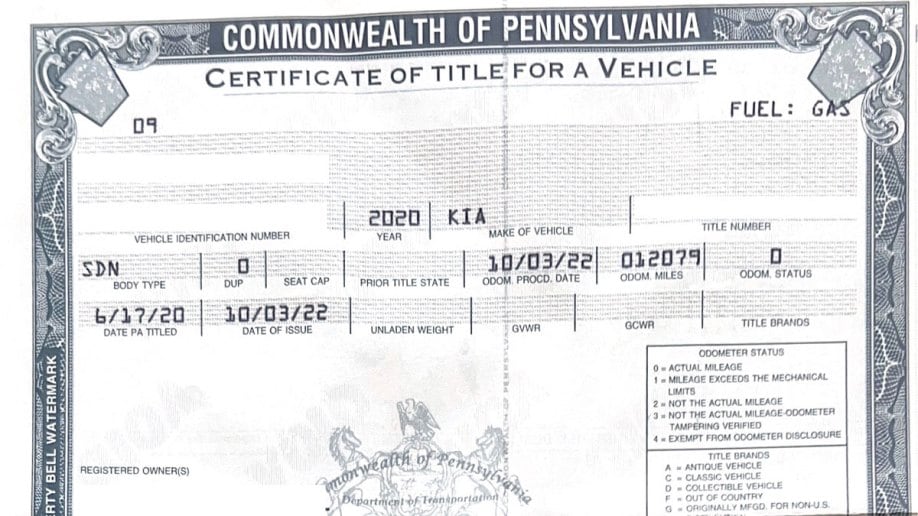
Image Source: www.kbb.com
Why Might a Car Be Unregistered?
Cars can end up without registration for several reasons. Perhaps the previous owner let the registration lapse, or maybe the car is a project vehicle that hasn’t been driven on public roads. It could also be a car that’s been sitting in a garage or yard for a long time. Knowing why the car is unregistered helps determine the best approach for selling it.
Common Scenarios for Unregistered Vehicles
- Expired Registration: The most frequent reason is simply that the registration period has passed, and the owner hasn’t renewed it. This often happens with vehicles that aren’t driven regularly.
- Project Cars: Vehicles being restored or modified for off-road use or track days may not require current registration.
- Long-Term Storage: Cars stored in private property, like garages or sheds, for extended periods may not have active registration.
- New Ownership: Sometimes, when a car changes hands, the new owner delays or forgets to register it.
- Out-of-State Vehicles: A car previously registered in another state might need re-registration in its new location, and this process can be delayed.
The Legalities of Selling Unregistered Cars
The legalities of selling an unregistered vehicle vary by state and country. Generally, you can sell a car that isn’t registered, but you cannot legally drive it on public roads without current registration. The responsibility for registering the vehicle typically falls to the new owner after the sale. However, clear documentation is crucial for both parties.
Key Legal Points to Consider
- Disclosure: It is vital to be upfront with potential buyers that the car is unregistered. Hiding this fact can lead to legal trouble.
- Bill of Sale: A detailed bill of sale is essential. This document should clearly state the car’s make, model, year, Vehicle Identification Number (VIN), sale price, and the names and addresses of both the buyer and seller. Crucially, it should explicitly mention that the car is being sold as-is and without registration.
- Title Transfer: You must have a clear title to the vehicle to legally transfer ownership. The process of transferring the title might be affected by the lack of registration in some areas, but the title itself is the proof of ownership.
- DMV/RMV Requirements: Check with your local Department of Motor Vehicles (DMV) or Registry of Motor Vehicles (RMV) for specific requirements regarding the sale of unregistered vehicles. Some states may require you to obtain special transit plates or complete certain paperwork even if the car isn’t registered for regular use.
Selling a Car Without Registration: Your Options
When you’re selling a car without registration, you generally have two main paths: sell it as-is to a private buyer or sell it to a dealership or an unregistered car buyer.
Option 1: Selling to a Private Buyer
This is often the route for selling a car with expired tags or a car that hasn’t been registered for a while.
Steps for Selling to a Private Buyer:
- Gather All Documentation: Make sure you have the car’s title. If you’ve lost it, you’ll need to apply for a duplicate from your local DMV. Also, gather any maintenance records or repair history you have.
- Determine a Fair Price: Research the market value for similar cars, taking into account the lack of registration and any condition issues. Online valuation tools and local classifieds can help.
- Prepare the Car: Clean the car thoroughly, both inside and out. Address any minor issues that could deter buyers. Even if it’s unregistered, a presentable car sells better.
- Advertise Your Vehicle: Create a compelling listing. Be honest and upfront about the fact that the car is unregistered. Use clear photos. Mentioning it as a “selling unregistered car” or “selling car without registration” in your ad is crucial for attracting the right buyers.
- Key details to include in your ad:
- Make, Model, Year
- VIN
- Mileage
- Condition (mentioning any known issues)
- Explicitly state: “Unregistered,” “Sold as-is, unregistered,” or “Sold with expired tags.”
- Reason for selling (optional, but can build trust)
- Asking price
- Key details to include in your ad:
- Screen Potential Buyers: Be cautious when interacting with potential buyers. Arrange to meet in a safe, public place during daylight hours.
- The Sale Process:
- Inspection: Allow serious buyers to inspect the car. They might want to take it to a mechanic for a pre-purchase inspection.
- Negotiation: Discuss the price. Be prepared for buyers to negotiate, given the car’s unregistered status.
- Bill of Sale: Draft a comprehensive bill of sale that clearly states the car is sold “as-is” and without registration. Include phrases like “unregistered vehicle sale” to ensure clarity. Both you and the buyer should sign and date it, with each party keeping a copy.
- Title Transfer: Sign the title over to the buyer. This is the legal transfer of ownership. Your state’s DMV website will have specific instructions on how to properly sign over a title.
- Remove License Plates: If the car has plates on it, remove them before handing over the keys. It’s illegal for the buyer to use your old plates.
- Notify the DMV: In many states, you need to notify the DMV that you have sold the vehicle. This can protect you from liability if the new owner gets tickets or is involved in an accident before registering it.
Option 2: Selling to a Dealership or Unregistered Car Buyer
This option is often simpler and faster, especially if the car is older, has significant mechanical issues, or if you simply want a quick sale. Many dealerships and specialized businesses actively purchase unregistered auto sales.
How to Sell to a Dealership or Unregistered Auto Buyer:
- Research Potential Buyers: Look for dealerships that buy used cars, especially those that advertise buying “any car, any condition.” There are also businesses that specifically focus on purchasing vehicles that need repair or are unregistered.
- Get Quotes: Contact several potential buyers and get quotes for your car. Be honest about its condition and unregistered status.
- Be Prepared for Lower Offers: Dealerships and professional buyers are in the business of making a profit. They will factor in the cost of repairs, registration fees, and potential profit margin when making an offer. Expect their offers to be lower than what you might get from a private buyer, but the process is usually much smoother.
- Provide Documentation: You’ll still need to provide the car’s title to prove ownership.
- The Transaction: Once you agree on a price, they will typically handle most of the paperwork. They may provide you with a bill of sale and a check for the agreed-upon amount.
Selling a Car Without Plates: What You Need to Know
Selling a car without plates is very similar to selling an unregistered car. The absence of plates signifies that the car is not legally permitted to be driven on public roads. When selling a car without plates, the emphasis remains on clear documentation and disclosure.
Considerations for Selling a Car Without Plates:
- No Added Difficulty: The process is not inherently more difficult than selling an unregistered car with plates. The core requirements of having a title and providing a bill of sale remain the same.
- Buyer’s Responsibility: The buyer will be responsible for getting the necessary temporary permits or registering the vehicle to transport it legally.
- Transporting the Car: The buyer will likely need to arrange for a tow truck or trailer to move the vehicle from your property, as it cannot be driven legally without plates or temporary registration.
Tips for a Successful Unregistered Vehicle Sale
Here are some practical tips to ensure your unregistered vehicle sale goes smoothly:
Honesty and Transparency are Key
- Accurate Description: Clearly state the car’s condition, mileage, and any known mechanical issues.
- No Surprises: Be upfront about the lack of registration from the very beginning. This filters out buyers who aren’t prepared for the extra steps.
Pricing Your Unregistered Car
- Market Research: Compare your car to similar models. Adjust your price downwards to account for the unregistered status and any necessary repairs.
- Factor in Buyer Costs: Buyers will need to pay for registration, potential repairs, and possibly towing. Your price should reflect these upcoming costs for them.
Advertising Effectively
- Highlight Positives: While being honest about negatives, also highlight any good points – low mileage, recent maintenance, good tires, etc.
- Targeted Ads: Consider advertising in places where people look for project cars or vehicles that might need some work. Online marketplaces, forums for car enthusiasts, and local classifieds are good starting points.
Ensuring a Safe Transaction
- Meet Safely: If selling privately, meet buyers in a well-lit, public location.
- Avoid Test Drives Without Registration: Since the car is unregistered, test drives on public roads are illegal. Buyers can inspect it thoroughly on your property. If they want to hear it run or see it move, it must be within your private property limits.
- Secure Payment: If accepting a personal check, wait for it to clear before signing over the title. Cash or a cashier’s check are safer options.
Selling a Car with Expired Tags: Specifics
Selling a car with expired tags is very common. The core process remains the same as selling any unregistered vehicle. The key is to be clear that the registration is expired and that the buyer will be responsible for renewal.
What to Emphasize for Cars with Expired Tags:
- Renewal Costs: Inform buyers about the potential costs and penalties associated with renewing expired tags, as these can vary by state.
- DMV Procedures: Advise buyers that they will need to go to the DMV to renew the registration and pay any back fees or fines.
Navigating the Paperwork for Unregistered Auto Sales
Proper paperwork is the cornerstone of any successful car sale, especially when the vehicle is unregistered.
Essential Documents:
- Vehicle Title: This is the most critical document. It proves you are the legal owner. Ensure it’s signed correctly. If you have a lien on the car and it’s paid off, ensure the lien is released on the title.
- Bill of Sale: As mentioned, this is your contract. It should be detailed and clear.
- Information to include in the Bill of Sale:
- Date of Sale
- Seller’s Full Name and Address
- Buyer’s Full Name and Address
- Vehicle Year, Make, Model
- Vehicle Identification Number (VIN)
- Odometer Reading at Time of Sale
- Sale Price
- Confirmation that the vehicle is sold “as-is”
- Statement that the vehicle is being sold without current registration.
- Signatures of both Seller and Buyer
- Information to include in the Bill of Sale:
- Release of Liability (If Applicable): Some states require you to file a “release of liability” form with the DMV after selling a vehicle. This form informs the state that you are no longer responsible for the vehicle, which can protect you from parking tickets or toll violations incurred by the new owner.
- Maintenance Records: While not legally required for the sale, providing these can increase buyer confidence.
What Happens After the Sale?
After you’ve handed over the keys and signed the title, your responsibilities generally end, provided you’ve followed your state’s procedures. However, it’s wise to confirm with your local DMV that you’ve completed all necessary steps to release your liability.
Common Questions About Selling Unregistered Cars
Here are answers to frequently asked questions about selling a car that isn’t registered:
Q1: Can I legally sell a car that is not registered?
A1: Yes, you can legally sell a car that is not registered, provided you are the legal owner and have the title. However, the car cannot be driven on public roads by the buyer until it is properly registered.
Q2: What is the biggest challenge when selling an unregistered car?
A2: The biggest challenge is often finding buyers willing to take on the responsibility and cost of registering the vehicle, especially if it requires repairs or back fees. Transparency about the car’s status is key to attracting the right buyers.
Q3: Do I need to register the car before selling it if it has expired tags?
A3: It’s not strictly required to register the car before selling it. Many buyers prefer to register it themselves to ensure all fees are handled correctly. However, if you do register it, you might be able to get a better price. You’ll need to weigh the cost of registration against the potential increase in sale price.
Q4: Can I sell a car without plates?
A4: Yes, selling a car without plates is permissible. The lack of plates simply reinforces that the car is not street-legal without proper registration and licensing.
Q5: Who is responsible for registering a car after I sell it unregistered?
A5: The responsibility for registering the vehicle falls entirely on the buyer once the sale is complete. They will need to handle all DMV paperwork, fees, and inspections required in their state.
Q6: What if the buyer wants to drive the car away?
A6: You cannot legally allow a buyer to drive an unregistered car on public roads. If the buyer wants to drive it, they must obtain temporary registration or transit plates from their local DMV before taking possession. Ensure you do not hand over the keys for driving on public roads without proof of their temporary legal status.
Q7: How do I price an unregistered car for sale?
A7: Research the market value of the car when it is registered. Then, deduct an amount that accounts for the buyer’s costs of registration, potential repairs, and the inconvenience of dealing with an unregistered vehicle.
Q8: What paperwork do I need to provide when selling an unregistered vehicle?
A8: You will need the vehicle’s title, properly signed over to the buyer. A detailed bill of sale that specifies the car is sold unregistered and “as-is” is also crucial. Consider a release of liability form if your state requires it.
By following these guidelines, you can confidently navigate the process of selling a car that isn’t registered, ensuring a legal and transparent transaction for both you and the buyer.