
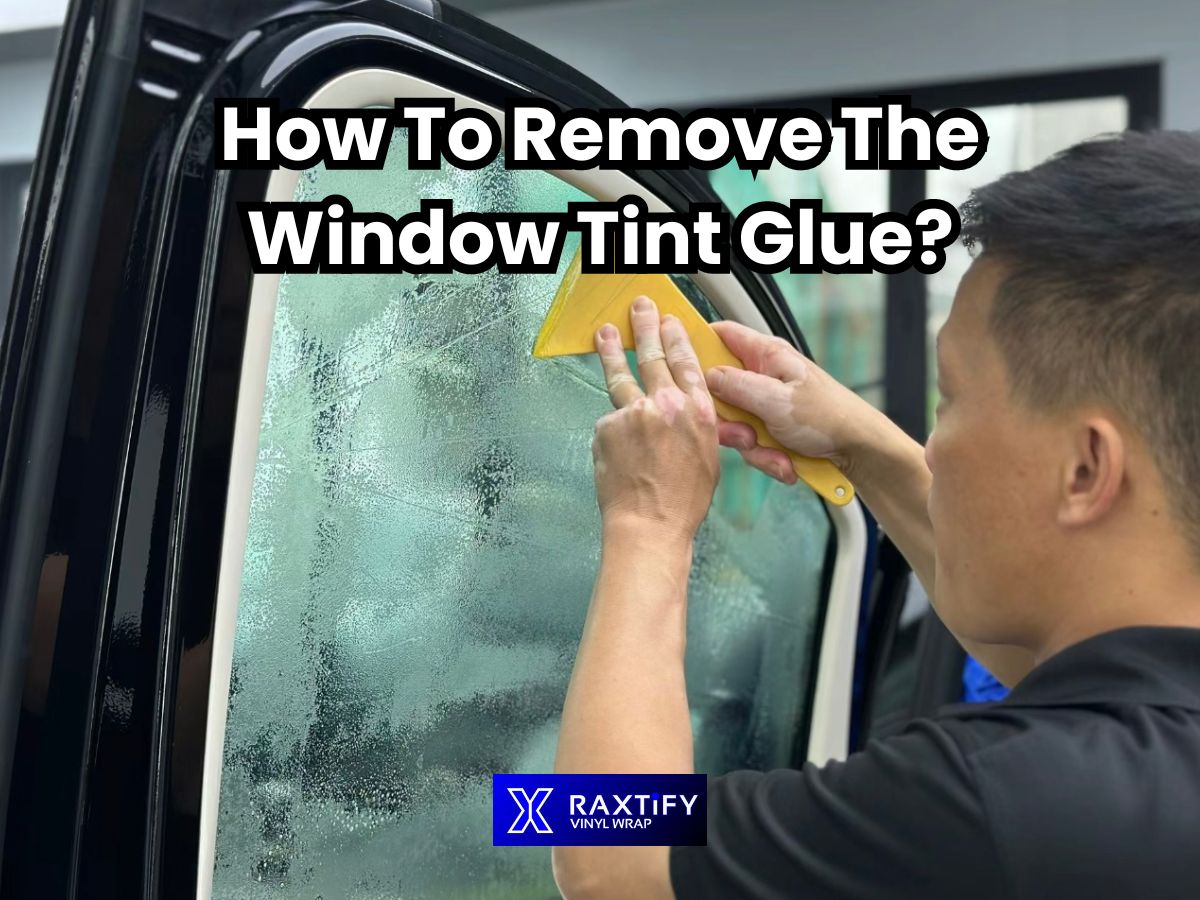
Image Source: raxtify.com
Expert Ways: How To Remove Glue From Tinted Car Window
Can you remove glue from a tinted car window? Yes, you absolutely can! With the right approach and tools, you can safely and effectively remove stubborn glue and adhesive residue from your tinted car windows without damaging the delicate window film.
Tackling Stubborn Glue: A Guide to Sticker Removal on Tinted Windows
It’s a common frustration: you apply a sticker, a decal, or perhaps even have some forgotten car tint glue left behind from a previous application. Whatever the source, the result is an unsightly patch of sticky residue that detracts from your car’s appearance. Removing this decal removal challenge from tinted windows requires a gentle yet effective approach. The good news is, with the correct products and techniques, you can achieve a spotless finish. This guide will walk you through the best methods for residue removal for tinted windows, ensuring your tint remains intact and your windows look pristine.
Why Tinted Windows Need Special Care
Tinted windows have a layer of film applied to the glass. This film can be sensitive to harsh chemicals, abrasive materials, and excessive heat. Aggressive cleaning can scratch, peel, or discolor the tint, leading to an expensive repair or replacement. Therefore, any window tint cleaner or adhesive remover must be specifically formulated or tested for use on window tint.
Identifying the Glue Type
Before you start, try to identify the type of glue. Is it from a paper sticker, a vinyl decal, or something more industrial? This can sometimes inform your choice of remover. Generally, adhesives from stickers and decals are the most common culprits.
Gathering Your Supplies
Having the right tools on hand is crucial for a smooth sticker removal process. Here’s a list of recommended supplies:
- Tint-safe adhesive remover: Look for products specifically labeled as tint safe adhesive remover. Brands like Goo Gone, 3M Adhesive Remover, or dedicated window tint cleaner products are good options.
- Rubbing alcohol (isopropyl alcohol): A mild and effective option for many adhesives. Ensure it’s 70% or 91% concentration.
- Mild dish soap: For cleaning up any residue after the adhesive remover.
- Soft microfiber cloths: Essential for applying cleaners and wiping away residue without scratching.
- Plastic razor blade or plastic scraper: A non-metallic tool to gently lift stubborn glue. Avoid metal blades at all costs.
- Warm water: For diluting cleaners or rinsing.
- Spray bottle: For applying solutions evenly.
- Gloves: To protect your hands from cleaning solutions.
Step-by-Step Guide to Removing Glue
Let’s break down the process into manageable steps for successful residue removal for tinted windows.
Step 1: Initial Assessment and Preparation
- Clean the window: Start by cleaning the window with a mild soap and water solution and a microfiber cloth. This removes surface dirt and allows you to see the extent of the adhesive residue.
- Test in an inconspicuous area: Before applying any cleaner to the main area, test it on a small, hidden corner of the tint to ensure it doesn’t cause damage or discoloration.
Step 2: Applying the Adhesive Remover
There are several effective methods for removing car tint glue:
-
Method A: Using a Tint-Safe Adhesive Remover (e.g., Goo Gone for Car Tint)
- Apply the remover: Spray the tint safe adhesive remover directly onto the glue or onto a clean microfiber cloth.
- Let it dwell: Allow the remover to sit on the glue for the time recommended by the product manufacturer (usually a few minutes). This gives the chemicals time to break down the window film adhesive.
- Gently scrape: Use the plastic razor blade or scraper at a low angle to gently lift the softened glue. Work from the edges of the glue towards the center.
- Wipe away residue: Use a clean microfiber cloth to wipe away the loosened glue. You may need to apply more remover and repeat the scraping and wiping process for stubborn spots.
-
Method B: Using Rubbing Alcohol
- Dampen a cloth: Soak a clean microfiber cloth with rubbing alcohol.
- Apply to the glue: Dab the alcohol-soaked cloth onto the sticky residue.
- Let it soak: Allow the alcohol to penetrate the glue for a few minutes.
- Gently rub: Use the cloth to gently rub the glue away. For tougher spots, you can use the plastic scraper.
- Repeat if necessary: For very stubborn adhesive residue, you may need to apply more alcohol and gently work at it.
-
Method C: Warm Water and Mild Soap
- This method is best for less stubborn or newer car tint glue.
1. Soak a cloth: Soak a microfiber cloth in warm water with a drop of mild dish soap.
2. Apply and let sit: Place the warm, damp cloth over the glue for several minutes.
3. Gentle rubbing: Gently rub the area with the cloth. You can use the plastic scraper if needed.
- This method is best for less stubborn or newer car tint glue.
Step 3: Cleaning Up
Once the majority of the glue is removed:
- Clean the entire window: Wash the entire window with a clean microfiber cloth and a mixture of mild dish soap and water. This removes any lingering sticky residue from the adhesive remover and the glue itself.
- Rinse and dry: Rinse the window thoroughly with clean water and dry it with a fresh, lint-free microfiber cloth.
What to Avoid When Removing Glue From Tinted Windows
Avoiding certain actions is just as important as using the right ones.
Prohibited Actions:
- Metal Razor Blades: These will scratch and damage the tint film.
- Abrasive Cleaners or Scrubbing Pads: Steel wool, scouring pads, and harsh abrasive cleaners will ruin the tint.
- Ammonia-Based Cleaners: Ammonia can degrade the tint film over time.
- Excessive Heat: While warmth can help, direct, intense heat (like from a heat gun) can damage the tint.
- Aggressive Scraping: Always use gentle pressure and a low angle with plastic tools.
Specific Products to Be Wary Of:
While some general-purpose adhesive removers might work, always check their compatibility with automotive window tint. Some products contain solvents that can be too harsh for the delicate film. If a product isn’t explicitly labeled as tint-safe, proceed with extreme caution and always test first.
Choosing the Right Window Tint Cleaner and Removers
The market offers various products. Here’s a breakdown of what to look for:
Top-Rated Products for Residue Removal for Tinted Windows:
- Goo Gone Automotive: This is a popular and generally safe option for automotive use. Ensure you purchase the automotive version, as it’s formulated to be less aggressive. It’s a great Goo Gone for car tint option.
- 3M Adhesive Remover: Another trusted brand for automotive detailing, 3M offers effective adhesive removers that are typically safe for window tint when used correctly.
- Chemical Guys Speed Wipe: While primarily a quick detailer, it can help loosen mild adhesives. For tougher jobs, their specific adhesive removers are better.
- ** Stoner Invisible Glass: Known for its streak-free finish, Stoner also offers an Invisible Glass cleaner with a touch of adhesive remover, which can be good for light adhesive residue**.
DIY Solutions:
- Rubbing Alcohol (Isopropyl Alcohol): As mentioned, this is a safe and effective DIY option.
- White Vinegar: Diluted white vinegar can sometimes help break down certain types of glue. However, it can be less effective than alcohol or dedicated removers and should be tested first.
Dealing with Different Types of Adhesives
Sticker Residue:
This is usually the most common. Paper stickers often leave behind a sticky backing. Vinyl decals might leave behind colored residue or a translucent sticky residue. Both can be tackled with the methods described above.
Old Car Tint Glue:
If you’re removing old tint or have window film adhesive that’s hardened, it might be more challenging. You might need to apply the remover multiple times, allow longer dwell times, and use the plastic scraper more persistently but still gently.
Other Stubborn Glues:
For stronger glues, like those from emblems or other trim pieces, you might need a more potent tint safe adhesive remover. However, always prioritize testing.
Advanced Techniques for Tough Jobs
If you’ve tried the basic methods and are still struggling with adhesive residue, consider these advanced tips:
Prolonged Dwell Time:
For very tough car tint glue, you can leave the tint safe adhesive remover on for a longer period (e.g., 15-20 minutes), ensuring it doesn’t dry out by re-applying if necessary.
Gentle Heat Application:
A hairdryer on a low to medium setting can be used to warm the sticky residue. Heat softens most adhesives, making them easier to remove. Hold the hairdryer at a distance and move it constantly to avoid overheating any single spot. After warming, apply your chosen remover and proceed with scraping.
Layering Techniques:
Sometimes, a combination of methods is best. You might use a specialized remover, then follow up with rubbing alcohol for any remaining trace amounts of adhesive residue.
Maintaining Your Tinted Windows
Once you’ve successfully removed the glue, proper maintenance will help keep your tint looking great.
- Regular Cleaning: Clean your windows regularly with a window tint cleaner or a mild soap and water solution.
- Avoid Abrasives: Always use soft cloths and avoid harsh chemicals.
- Immediate Spill Cleanup: Clean up spills of any kind promptly to prevent them from becoming stubborn stains or adhering to the tint.
Table: Recommended Products and Their Uses
| Product Type | Best For | Cautionary Notes |
|---|---|---|
| Goo Gone Automotive | Most stickers, decals, general adhesive residue | Test first; follow dwell time recommendations. |
| 3M Adhesive Remover | Tougher adhesives, window film adhesive | Can be strong; always test on a small area. |
| Rubbing Alcohol (IPA) | Lighter sticky residue, final clean-up | Evaporates quickly; might need multiple applications. |
| Mild Dish Soap & Water | General cleaning, light car tint glue | Not effective for hardened adhesives. |
| Plastic Razor Blade | Gently lifting softened adhesive residue | Use at a low angle; never force. |
| Microfiber Cloths | Application, wiping, drying | Use clean cloths to avoid scratching. |
Frequently Asked Questions (FAQ)
Q1: Can I use a regular glass cleaner to remove glue from my tinted windows?
A1: Most regular glass cleaners are not designed to break down adhesives. Some might contain ammonia, which can damage tint. It’s best to use a dedicated window tint cleaner or a safe adhesive remover.
Q2: How do I know if a product is safe for my car tint?
A2: Look for products specifically labeled as “tint-safe” or “safe for automotive window tint.” If unsure, always test the product on a small, hidden area of the tint first.
Q3: Is it okay to leave adhesive remover on the tint overnight?
A3: No, it’s generally not recommended to leave adhesive removers on tint for extended periods beyond the manufacturer’s instructions. Some solvents can degrade the tint if left too long.
Q4: My tinted window still has a cloudy film after removing the sticker. What should I do?
A4: This could be residue from the adhesive or the remover. Clean the window again thoroughly with a mild soap and water solution or a window tint cleaner. A final wipe with rubbing alcohol might also help. Ensure you are using clean microfiber cloths.
Q5: What’s the best way to remove old, hardened glue?
A5: For old, hardened glue, you’ll likely need a strong tint safe adhesive remover with a longer dwell time. Gentle warming with a hairdryer (on low heat) before applying the remover can also be very effective. Patience and repeated gentle scraping with a plastic blade are key.
By following these expert tips and employing a careful, methodical approach, you can confidently tackle car tint glue and adhesive residue on your tinted windows, restoring their pristine appearance without compromising the integrity of your tint.