
Can you use Windex on tinted windows? No, you should never use Windex or any cleaner containing ammonia on tinted car windows, as it can damage the tint film, causing it to bubble, peel, or discolor. Proper care is essential to maintain the clarity and longevity of your car’s window tint.
Keeping your car windows sparkling clean is crucial for visibility and the overall aesthetic of your vehicle. However, when your car has window tint, the cleaning process requires a gentler approach to avoid causing any damage. Tinted windows are delicate, and using the wrong cleaning products or techniques can lead to irreversible harm. This guide will walk you through the safe and effective methods for cleaning your tinted car windows, ensuring they remain clear and the tint stays intact for years to come. We’ll explore the best tools, the right cleaning solutions, and step-by-step instructions for a flawless finish.
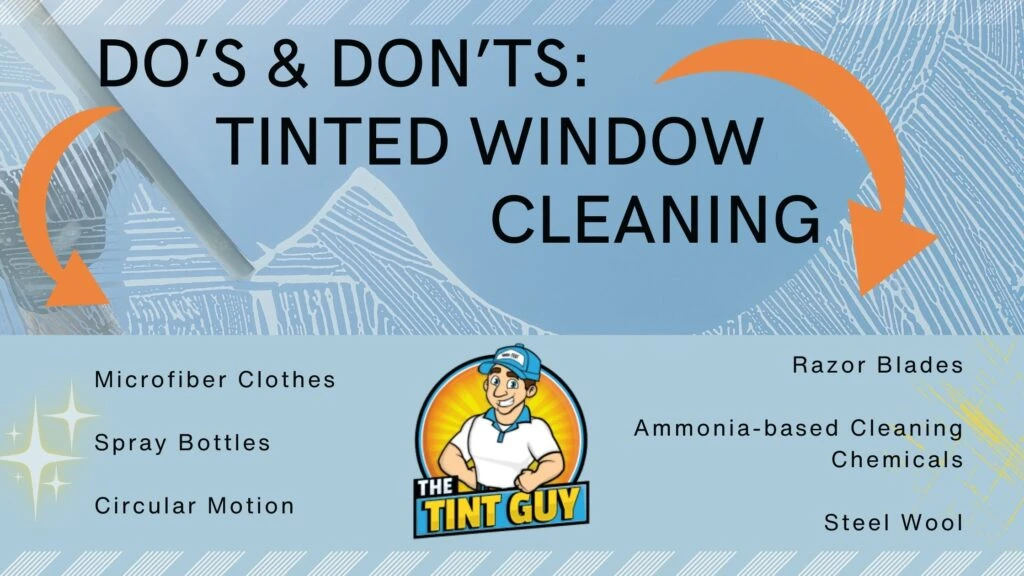
Image Source: thetintguy.com
Why Special Care for Tinted Windows?
Tinted windows have a layer of film applied to the inside of the glass. This film is what gives your windows their tinted appearance and provides benefits like UV protection and heat reduction. However, this film is also susceptible to damage from harsh chemicals and abrasive materials.
- Ammonia: Many common glass cleaners, like original Windex, contain ammonia. Ammonia is a powerful solvent that can break down the adhesives used to hold the tint film to the glass. This can cause the tint to crack, peel, or become hazy.
- Abrasives: Scrubbing with rough materials like steel wool, abrasive sponges, or even rough paper towels can scratch or tear the delicate tint film.
- High Pressure: Using high-pressure washers directly on the edges of the tint can force water underneath the film, leading to bubbles and lifting.
The Delicate Nature of Tint Film
The tint film itself is typically made of polyester or other plastics. These materials are flexible but can be easily damaged by chemicals designed to cut through grease and grime aggressively. The dye or metallic particles that create the tint are also sensitive to certain solvents.
Choosing the Right Car Window Tint Cleaner
The key to safely cleaning tinted windows lies in selecting the correct car window tint cleaner. You need a product specifically designed for this purpose or a gentle, DIY solution.
What to Look For in a Tint-Safe Cleaner:
- Ammonia-Free Formula: This is the most critical factor. Always check the ingredient list. If ammonia or ammonium hydroxide is present, put it back on the shelf.
- Alcohol-Based (with caution): Isopropyl alcohol (rubbing alcohol) can be effective for stubborn grime, but it should be diluted and used sparingly. High concentrations can still potentially affect some tints.
- pH Neutral: A pH-neutral cleaner is less likely to react with the tint adhesive or the tint material itself.
- Gentle Solvents: Look for cleaners that use mild soap or specialized tint-safe solvents.
Recommended Tint-Safe Cleaning Solutions:
- Dedicated Tint Cleaners: Many reputable automotive detailing brands offer tint safe glass cleaner products. These are formulated to be effective on glass without harming the tint.
- Mild Dish Soap and Water: A few drops of mild dish soap (like Dawn) mixed with distilled water can be a safe and effective DIY solution for everyday cleaning. Distilled water is preferred because it doesn’t contain minerals that can leave spots.
- Vinegar and Water (with caution): A diluted mixture of white vinegar and distilled water (50/50 ratio) can work. However, some sources suggest avoiding vinegar due to its acidity, which could potentially affect some older or specific types of tint. It’s safer to stick with mild soap or dedicated cleaners if you’re unsure.
What to Absolutely Avoid:
- Ammonia-based cleaners: As mentioned, these are the biggest culprits for tint damage.
- Scouring pads or abrasive cloths: Stick to microfiber.
- Paper towels: Many paper towels contain abrasive fibers that can leave micro-scratches on the tint film.
- Car washes with automatic brushes: The harsh brushes can damage your tint.
The Best Method for Cleaning Tinted Car Windows
Cleaning tinted car windows effectively involves a gentle yet thorough approach. The goal is to remove dirt, dust, and smudges without compromising the tint film.
Gather Your Supplies:
Before you start, ensure you have the right tools. This will make the process smoother and yield better results.
- Two High-Quality Microfiber Towels: One for washing, one for drying and buffing. Microfiber is essential as it’s soft and lint-free.
- Tint-Safe Glass Cleaner: Either a commercial product or your DIY solution (mild dish soap and distilled water).
- Spray Bottle: For applying your cleaning solution.
- Bucket (optional): If using the dish soap and water method, a bucket can be useful.
- Water Source: A hose or a spray bottle of clean water for rinsing (if necessary, though often not required for light cleaning).
- Applicator Pad (optional): A soft foam applicator can be helpful for applying the cleaner evenly, especially on larger windows.
Step-by-Step Guide to Safe Tint Cleaning:
Follow these steps for a streak-free shine and to protect your car’s tint.
-
Prepare Your Cleaning Solution:
- If using a commercial cleaner, ensure it’s ammonia-free.
- If making your own, mix a few drops of mild dish soap with a pint of distilled water in a spray bottle.
-
Pre-Rinse (Optional but Recommended for Heavy Dirt):
- If your windows are heavily soiled with mud or grit, a light rinse with a hose (low pressure) or a damp cloth can remove loose debris before you start applying cleaner. This prevents dragging dirt across the tint and causing scratches.
-
Spray the Cleaner:
- Lightly mist one section of the window with your chosen tint safe glass cleaner. Avoid over-saturating the area.
-
Gentle Wipe with the First Microfiber Towel:
- Take your first clean microfiber towel.
- Begin wiping the window in a consistent pattern. A common and effective pattern is to wipe horizontally across the top, then overlap with a downward stroke, and continue in a “S” pattern or overlapping strokes to ensure complete coverage.
- Use light pressure. Let the cleaner do the work.
- For heavily soiled areas, you might need to wipe gently a second time.
-
Address Streaks and Smudges:
- To avoid removing streaks from tinted windows, it’s important to work methodically.
- If you notice a stubborn smudge, reapply a small amount of cleaner to that specific spot and gently wipe again.
-
Dry and Buff with the Second Microfiber Towel:
- Immediately after cleaning a section, use your second, dry microfiber towel to dry and buff the glass.
- Use a similar overlapping or “S” pattern.
- The goal here is to lift any residual moisture and cleaner, leaving the glass perfectly clear and streak-free.
-
Inspect Your Work:
- Step back and look at the window from different angles to check for any missed spots or streaks.
- If you see any, repeat the cleaning and drying process on that small area.
How to Clean Tint Without Damage – Key Techniques:
- Work in Sections: Don’t try to clean the entire window at once, especially if it’s a large one. Work on one manageable section at a time, cleaning and drying before moving to the next.
- Inside vs. Outside: Always remember that the tint is on the inside of the glass. When cleaning the exterior, you can be a bit more liberal with your cleaning agents (though still avoid ammonia). However, when cleaning the interior, be extra cautious. Many recommend cleaning the exterior glass first to remove as much loose dirt as possible, then proceeding to the interior.
- Avoid Direct Sunlight: Try to clean your windows when the car is parked in the shade. Direct sunlight can cause the cleaning solution to dry too quickly, leading to streaks.
Cleaning Tinted Car Windows: Specific Areas
While the general method applies to all windows, some areas might require a bit more attention.
Cleaning the Windshield:
The windshield is prone to bugs, road grime, and tar.
- Bug and Tar Removal: Use a dedicated bug and tar remover that is safe for automotive finishes, and ensure it’s ammonia-free. Apply it sparingly to a microfiber cloth and gently work on the offending spots. Follow up with your regular tint-safe cleaner.
- Wiper Blade Streaks: If your wipers are leaving streaks, it might be time to replace them. For a quick clean, wipe the wiper blades themselves with a damp microfiber cloth.
Cleaning the Side and Rear Windows:
These are generally easier to clean. The principles remain the same: gentle pressure and the right cleaner.
The Rear Window Defroster Lines:
The rear window has delicate defroster lines embedded in the glass.
- Wipe with the Grain: When cleaning the rear window, wipe gently along the lines, not across them. This minimizes the risk of snagging or damaging these thin electrical pathways.
- Avoid Excessive Scrubbing: Never scrub vigorously on the defroster lines.
DIY Tinted Window Cleaning Solutions
For those who prefer to make their own cleaners, here are some effective and safe DIY tinted window cleaning recipes.
Mild Soap and Distilled Water
- Ingredients:
- 1 pint (approx. 500ml) distilled water
- 2-3 drops of mild dish soap (e.g., Dawn)
- Instructions:
- Pour distilled water into a clean spray bottle.
- Add the dish soap.
- Gently swirl the bottle to mix. Avoid shaking vigorously, as this can create too many suds.
- Usage: Spray lightly onto the window and wipe with a clean microfiber towel.
Isopropyl Alcohol Solution (Use with Caution)
This can be effective for tough grime, but it’s crucial to dilute it properly.
- Ingredients:
- 1 pint (approx. 500ml) distilled water
- 1/4 cup (approx. 60ml) isopropyl alcohol (70% solution)
- Instructions:
- Mix distilled water and isopropyl alcohol in a spray bottle.
- Usage: Spray very sparingly on stubborn spots. Wipe immediately with a microfiber towel. This is best for occasional use on very dirty windows.
Important Note on DIY Solutions:
- Always use distilled water. Tap water contains minerals that can leave water spots and residue, especially on tinted windows.
- Test a small, inconspicuous area first if you are unsure about a DIY solution.
Common Issues and How to Fix Them
Even with careful cleaning, you might encounter common problems.
Removing Streaks from Tinted Windows
Streaks are the bane of any window cleaner.
- Causes:
- Using dirty microfiber towels.
- The cleaner drying too quickly.
- Using too much cleaning solution.
- Residue from previous cleaning or car wash soaps.
- Solutions:
- Use a clean, dry microfiber towel for buffing.
- Work in the shade or on a cooler day.
- Wipe in a consistent pattern (e.g., horizontal, then vertical) to catch any missed spots.
- Try a different tint-safe cleaner. Some formulas might work better for your specific tint.
- A touch of distilled water on a clean microfiber can sometimes lift stubborn streaks.
Cloudy or Hazy Tint
This is often a sign that the wrong cleaner was used previously, or the tint is aging.
- Possible Causes:
- Ammonia-based cleaners breaking down the tint.
- Dirt and grime buildup that wasn’t properly removed.
- Degradation of the tint film itself over time.
- Solutions:
- Gentle cleaning with a dedicated tint cleaner might help remove surface haze.
- If the haziness is within the tint film itself, it might be permanent damage and the tint may need to be replaced.
Bubbles or Peeling Tint
This is usually a sign of improper installation or damage from harsh cleaning.
- Causes:
- Water or cleaner getting under the film during installation.
- Damage from ammonia-based cleaners.
- Physical damage (e.g., snagging with a sharp object).
- Solutions:
- For small bubbles: Sometimes, a professional detailer can carefully inject a small amount of cleaner into the bubble and press it out. However, this is risky.
- For peeling tint: Unfortunately, there’s no simple fix. The affected panels or the entire tint job will likely need to be removed and reapplied.
Detailing Tinted Windows for a Professional Finish
Detailing tinted windows goes beyond basic cleaning. It’s about achieving that crystal-clear, showroom look.
The “Detailer’s Secret” for Streak-Free Windows:
Many professional detailers use a two-towel method and work in specific directions.
- Initial Wipe-Down: Use your first microfiber towel dampened with the tint-safe cleaner. Wipe in one direction (e.g., horizontally) across the entire window.
- Buffing for Clarity: Immediately follow with the second, completely dry microfiber towel. Buff the window in the opposite direction (e.g., vertically). This technique helps to lift any remaining moisture and prevents streaking.
- Edge Work: Pay attention to the edges of the windows where dirt and grime can accumulate. A detailing brush (very soft) can help dislodge debris from seals before you start cleaning the glass.
What is the best cleaner for tinted windows?
The best cleaner for tinted windows is a dedicated, ammonia-free automotive glass cleaner. If you don’t have one, a mixture of mild dish soap and distilled water is a safe and effective alternative for routine cleaning.
What about using a squeegee on tinted windows?
While squeegees are great for home windows, they can be tricky on car windows with tint. If you choose to use one, ensure it’s a high-quality, soft rubber squeegee in excellent condition (no nicks or hardened edges). Use it with plenty of cleaning solution and wipe the squeegee blade clean with a dry microfiber towel between passes. Always work from top to bottom, overlapping your strokes. However, many prefer to stick with microfiber towels for the safest and most controlled results.
Frequently Asked Questions (FAQ)
Here are some common questions about cleaning tinted car windows:
-
Q1: Can I use household glass cleaner on my tinted windows?
- A: Only if the cleaner is explicitly labeled as “ammonia-free.” Standard household glass cleaners, like many varieties of Windex, contain ammonia and will damage your tint.
-
Q2: How often should I clean my tinted car windows?
- A: You can clean them as often as needed, but it’s best to perform a thorough cleaning every few weeks or as they get visibly dirty. Spot cleaning minor smudges can be done more frequently.
-
Q3: What is the safest way to wash tinted car glass?
- A: The safe way to wash tinted car glass is to use a dedicated ammonia-free glass cleaner or a mild dish soap and distilled water solution, applied with clean microfiber towels, and wiped in a consistent pattern.
-
Q4: Can I use a pressure washer on my tinted windows?
- A: It’s best to avoid using a pressure washer directly on the tinted windows, especially around the edges. High pressure can force water under the tint film, causing it to lift or bubble. If you must use one for general car washing, keep a safe distance and avoid direct spray on the window tint.
-
Q5: My tint looks a bit cloudy after cleaning. What did I do wrong?
- A: This could be due to a few reasons: using a towel that wasn’t perfectly clean, the cleaner drying too quickly, or a residue from the cleaning product. Try buffing with a fresh, dry microfiber towel. If the cloudiness persists, it might be a residue from a previous harsh cleaning attempt.
-
Q6: Can I use paper towels to dry tinted windows?
- A: No, it’s highly recommended to avoid paper towels. They can be surprisingly abrasive and leave micro-scratches on the delicate tint film, leading to a hazy appearance over time. Always opt for microfiber towels.
-
Q7: What if I see a tiny scratch on my tint?
- A: Minor surface scratches on the tint film itself are difficult to remove and may be permanent. Avoid using anything abrasive to try and buff them out, as this will likely worsen the situation. If the scratch is deep, it might compromise the tint’s integrity.
By following these guidelines and using the right products, you can keep your car’s tinted windows looking immaculate and free from damage, ensuring both visibility and style for your vehicle.