
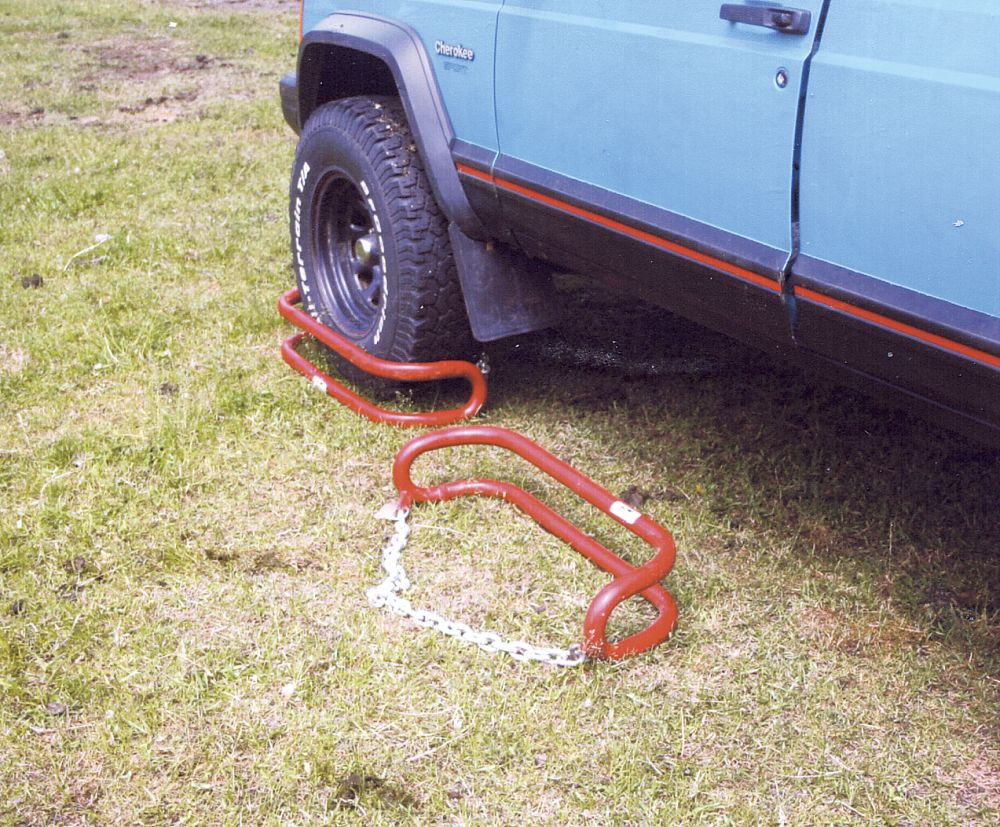
Image Source: www.farmshow.com
How To Make Car Untowable: Simple Steps
Can you make your car untowable? Yes, it is possible to implement measures that significantly hinder or prevent your vehicle from being towed, especially by unauthorized individuals or for reasons you wish to contest. This blog post will explore various anti-tow measures and methods to stop unauthorized towing, effectively making your car untowable. We will delve into practical steps, from basic deterrents to more advanced vehicle security lockout systems. Our goal is to provide you with comprehensive information on how to immobilize vehicle units and defeat tow truck operations.
The Purpose of Making Your Car Untowable
There are several compelling reasons why someone might want to make their car untowable. Primarily, it’s about protecting your property and preventing unwanted relocation. This can be for:
- Preventing theft: Making a vehicle difficult to tow is a significant deterrent against car thieves who often rely on quick and easy towing methods.
- Contesting parking violations: If you believe a parking ticket or towing is unjust, preventing towing can give you time to resolve the issue or gather evidence.
- Securing your vehicle in temporary locations: When parking in areas with unpredictable enforcement or potential for unauthorized towing, taking preventative steps can offer peace of mind.
- Protecting against repossession: While not a legal or recommended solution for debt issues, some individuals may seek to temporarily prevent repossession. (Note: This can have serious legal consequences).
Simple Steps to Deter Towing
Making your car untowable doesn’t always require complex modifications. Here are some accessible strategies:
1. Visible Deterrents
Sometimes, making your car look like a hassle is enough to deter a tow truck driver.
- The “Do Not Tow” Sign: A clear, professionally printed sign placed visibly on your windshield stating “Do Not Tow” or “Private Property” can be effective. While not legally binding in all situations, it might make a tow truck operator think twice, especially if they are not authorized by the property owner.
- Wheel Clamps (Booting): While often applied by authorities, you can purchase aftermarket wheel clamps. These are highly visible and extremely difficult to remove quickly. Ensure you choose a high-quality, robust clamp. Be aware that improper application or removal of your own clamp could cause damage.
- Steering Wheel Locks: A classic deterrent. Visible steering wheel locks make steering the vehicle impossible, rendering it useless for thieves and complicating towing attempts, especially if the tow truck needs to maneuver the car.
2. Physical Immobilization Tactics
These methods directly prevent the car from being moved or operated.
- Removing the Battery: Towing companies often need to disengage security systems or shift gears. Removing the battery completely disables all electrical systems, including alarms and power steering. This is a simple yet effective way to immobilize vehicle power.
- How to: Locate your car battery. Disconnect the negative terminal first (usually black), then the positive terminal (usually red). Remove the battery hold-down clamp and lift the battery out. Store it in a secure location.
- Drawbacks: This will reset your car’s clock and radio presets. Some modern cars may require a code to re-enable certain systems after the battery is reconnected.
- Disengaging the Parking Brake (Manual Transmission): For cars with manual transmissions, engaging the parking brake tightly can make it harder for a tow truck to roll the vehicle. However, this is less effective for preventing lifts.
- Steering Wheel Lock Activation: Ensure your steering wheel is locked when you park. When a car is towed, the wheels are often turned. If the steering wheel is locked, it can make towing more difficult and potentially damage the steering column if not done carefully by the tow operator.
3. Enhancing Security Features
Modern security can be a strong barrier against unauthorized towing.
- Aftermarket Alarm Systems: A loud, sensitive alarm that triggers when the car is tampered with or lifted can alert others and potentially scare off tow operators who aren’t authorized.
- GPS Trackers: While not directly preventing towing, a hidden GPS tracker can help you locate your vehicle immediately if it is towed, allowing for swift recovery and potentially preventing further unauthorized movement or sale. This is a key component of tamper-proof vehicle security.
- Kill Switches: A hidden kill switch that interrupts the fuel pump or ignition system will prevent the car from starting, even if the ignition is turned. This makes it impossible for thieves or unauthorized tow operators to drive it away. To make it untowable by towing, you’d rely on the fact that it cannot be easily driven onto a flatbed if it starts.
- Installation: These can be wired into various parts of the electrical system. It’s best to have a professional auto electrician install this to avoid damaging your car’s electronics.
4. Blocking Access for Tow Dollies and Wheels
Tow dolly prevention is a crucial aspect of making a car untowable. Tow dollies are often used to transport vehicles without lifting them entirely.
- Wheel Straps: If you have a tow dolly, the tow truck operator will typically strap the wheels. If you can prevent them from getting access or securing the wheels, it hinders the process.
- Tight Parking: Parking very close to other vehicles or structures can make it difficult for a tow truck to get the necessary clearance to attach a tow dolly or lift the vehicle. Ensure you’re not blocking traffic or fire hydrants, as this could lead to authorized towing.
- Obstructions (Use with Caution): Placing heavy or difficult-to-move objects behind your tires can make it harder to load the car onto a tow truck or dolly. However, be mindful of potential damage to your vehicle or the obstruction, and ensure you can remove them yourself. This is a form of parking enforcement evasion, which should be done with awareness of local regulations.
5. Advanced Security Solutions
For those seeking maximum protection against towing, more sophisticated solutions exist.
- Wheel Lock Systems: Beyond simple clamps, some systems are designed to lock the wheels in place, making them impossible to rotate. These are often integrated into the vehicle or are very robust aftermarket additions.
- Advanced Vehicle Immobilizers: These are often integrated by manufacturers or installed by specialist security companies. They can include multiple layers of disabling features, such as fuel cut-offs, ignition locks, and even active tracking with remote disabling. These are prime examples of tamper-proof vehicle security.
- “Towing Disable” Devices: Some specialized aftermarket devices are designed to lock steering and drivetrain components, making towing extremely difficult or impossible without specialized equipment. These are often referred to as ways to defeat tow truck operations.
Defeating Tow Truck Operations: Specific Tactics
Let’s break down how tow trucks operate and how to counter them.
- Flatbed Towing: The most common method. The car is driven or winched onto a flatbed. To prevent this:
- Wheel Lock Systems: As mentioned, these prevent wheel rotation.
- Steering Wheel Lock: Makes driving onto the flatbed impossible.
- Battery Removal: Disables any electronic winches or on-board systems the tow truck might try to use.
- Dolly Towing (Two-Wheeled Towing): The front or rear wheels are placed on a dolly, and the other set of wheels remains on the ground. To prevent this:
- Wheel Clamps: If the wheels cannot be rotated or steered, the dolly is useless.
- Steering Wheel Lock: Crucial for preventing steering.
- Manual Transmission Brake: Engaging the parking brake firmly on a manual transmission vehicle can resist being rolled.
- Hook and Chain Towing (Older Method): The chains are attached to the frame or axles.
- Frame Protection: Consider aftermarket guards or placing durable barriers around accessible frame points.
- Hidden Components: If critical components are hidden or protected, it becomes harder to attach chains securely.
Legal Considerations and Ethical Use
It’s crucial to understand the legal implications of making your car untowable.
- Legitimate Towing: If your car is legally towed by authorities for parking violations or as part of an investigation, actively preventing towing could lead to additional charges, fines, or even criminal charges for obstruction.
- Repossession: Attempting to prevent legal repossession of a vehicle can have severe legal and financial consequences.
- Damage: Improperly applying anti-tow measures can damage your vehicle.
- Insurance: Some insurance policies may have clauses related to vehicle security. Always check your policy.
This guide is intended for informational purposes and to enhance your vehicle’s security against unauthorized towing or theft. It is not an endorsement of evading legal responsibilities or enforcement actions.
Common Questions About Making Cars Untowable
Q: Can I legally stop a tow truck from taking my car if I’m present?
A: In most jurisdictions, if a tow truck has been legally dispatched by authorities or property owners, physically intervening can lead to charges like interference with official duties or assault. Your best defense is to have preventative measures in place before the tow truck arrives.
Q: What is the best way to prevent tow dolly prevention?
A: The most effective tow dolly prevention methods involve making the wheels unusable. This includes robust wheel clamps, steering wheel locks, or specialized wheel locking systems that prevent rotation or steering.
Q: Are aftermarket immobilizers effective against towing?
A: Yes, aftermarket immobilizers, especially those with fuel cut-offs or ignition locks, are highly effective at preventing the car from being driven onto a tow truck or moving under its own power. They are a key part of tamper-proof vehicle security.
Q: How can I stop unauthorized towing of my car from private property?
A: To stop unauthorized towing, ensure clear “No Parking” or “Private Property – Unauthorized Vehicles Will Be Towed” signage is visible. If you are the property owner or have permission, consider installing gates or bollards. As a vehicle owner, visible deterrents like steering wheel locks and wheel clamps can also help.
Q: What does “vehicle security lockout” mean in this context?
A: A vehicle security lockout refers to making the car completely inoperable and inaccessible for towing. This involves disabling its power, steering, and drivetrain, often through a combination of security features.
Practical Table: Anti-Tow Measure Comparison
| Measure | Effectiveness Against Towing | Ease of Implementation | Cost | Visibility | Legal Risk (Unauthorized Towing) |
|---|---|---|---|---|---|
| Visible Signs | Low | Very High | Low | High | Low |
| Steering Wheel Lock | Medium | High | Medium | High | Low |
| Battery Removal | High | Medium | Negligible | Low | Low |
| Kill Switch | High | Medium (Pro Install) | Medium | Low | Low |
| Wheel Clamp | Very High | High | Medium | High | Low |
| Alarm System | Medium | Medium | Medium | Varies | Low |
| GPS Tracker | Indirect (Recovery) | High | Medium | Low | Low |
| Specialized Wheel Locks | Very High | Low (Pro Install) | High | High | Low |
Final Thoughts on Making Your Car Untowable
Making your car untowable is a proactive approach to vehicle security. By implementing a combination of visible deterrents, physical immobilization techniques, and enhanced security features, you can significantly reduce the risk of your vehicle being towed without your consent. Always remember to use these methods responsibly and be aware of the legal ramifications of interfering with legitimate towing operations. The ultimate goal is to protect your property and deter those who would move it without authorization, ensuring your vehicle remains where you left it.