
Can you put coolant in your car when it’s hot? The direct answer is no, you should generally not open the radiator cap or add coolant to your car when the engine is hot. This is a crucial safety precaution to prevent severe burns from pressurized, hot coolant. It’s best to wait until the engine has cooled down considerably.
Your car’s cooling system is vital. It stops your engine from getting too hot. This system uses a special liquid called coolant, also known as antifreeze. This liquid circulates through the engine, absorbing heat. Then, it carries that heat to the radiator, where it’s released into the air. If this process doesn’t work right, your car can overheat. This can cause serious damage to your engine.
Many car owners wonder about adding coolant when their car feels warm. It might seem like a quick fix if the coolant level is low. However, dealing with a hot engine requires careful attention to safety. Let’s dive deeper into why this is important and what you should do.
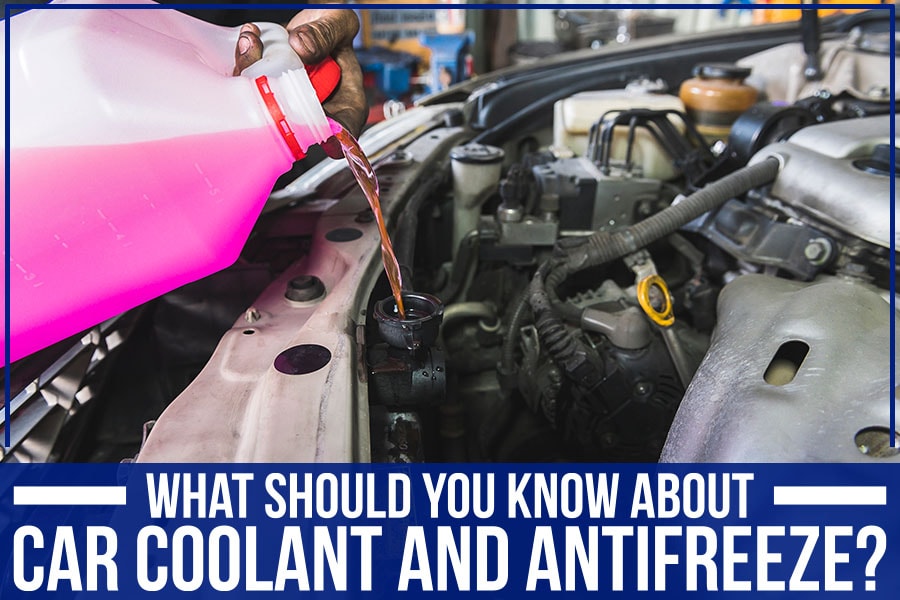
Image Source: pictures.dealer.com
The Dangers of a Hot Coolant System
Your car’s cooling system operates under pressure. This pressure increases as the engine heats up. The coolant itself becomes very hot, often exceeding 200 degrees Fahrenheit (93 degrees Celsius).
Pressure and Burns
Imagine a pressure cooker. When you open it while it’s still under pressure, scalding steam and liquid can erupt. Your car’s cooling system works similarly. The radiator cap is designed to hold this pressure. It also has a valve that releases excess pressure if it gets too high.
If you try to open the radiator cap when the engine is hot, you risk releasing this pressurized, superheated coolant. This can cause:
- Severe burns: The hot liquid can spray onto your skin, causing serious injury.
- Damage to the system: Suddenly releasing pressure can potentially damage seals or hoses within the coolant system.
Why the Coolant Level Drops
The coolant level might drop for several reasons. A leak in the system is the most common culprit. Hoses, the radiator itself, the water pump, or even the head gasket can develop leaks. Over time, small amounts of coolant can also evaporate.
When the coolant level is low, the engine can’t effectively transfer heat. This leads to the engine temperature rising, potentially causing overheating.
When and How to Add Coolant Safely
The safest time to check and add coolant is when the engine has cooled down. This typically means waiting at least 30 minutes to an hour after you’ve turned the car off, especially if you’ve been driving for a while or in hot weather.
Checking the Coolant Level
Most cars have a translucent coolant reservoir, often called the overflow tank or expansion tank. This tank has “min” and “max” or “cold” and “hot” lines marked on it.
- Cold Check: With a cold engine, the coolant level should be between the “min” and “max” lines.
- Hot Check: When the engine is hot, the coolant level will rise. It might be at or slightly above the “max” line. This is normal due to thermal expansion.
Never open the radiator cap when the engine is hot to check the level. Use the overflow tank for a quick visual check.
Adding Coolant
If the coolant level in the overflow tank is low, even when the engine is cold, you’ll need to add coolant.
Steps for Safely Adding Coolant:
- Ensure the Engine is Cold: This is the most critical step. Park your car and let it cool down completely.
- Locate the Coolant Reservoir: It’s usually a translucent plastic tank connected to the radiator by a hose.
- Remove the Reservoir Cap: This cap is usually plastic and might have a symbol of a radiator or coolant on it.
- Check the Coolant Type: Cars require specific types of coolant. Check your owner’s manual for the correct type and color (e.g., green, pink, orange, blue). Using the wrong type can damage your cooling system. You can buy pre-mixed coolant (a 50/50 blend of antifreeze and distilled water) or concentrated antifreeze that you mix with distilled water yourself.
- Add Coolant: Slowly pour the correct coolant into the reservoir until it reaches the “cold” or “max” line.
- Replace the Reservoir Cap: Make sure it’s securely tightened.
- Start the Engine: Let the engine run for a few minutes.
- Re-check the Coolant Level: After the engine has run for a bit and circulated the coolant, check the level in the reservoir again. Top up if necessary, still ensuring the engine is not too hot.
What If I Need to Add Coolant Urgently?
If you are stranded and your car is overheating, and you absolutely must add coolant to get to a safe place, extreme caution is advised.
Emergency Coolant Top-Up Procedure (Use with Extreme Caution):
- Locate a Thick Cloth or Glove: You’ll need protection for your hand.
- Approach the Radiator Cap Carefully: Do NOT remove the cap if steam is actively escaping.
- Cover the Cap with the Cloth: Place the thick cloth or glove over the radiator cap.
- Slowly Turn the Cap: Turn it counter-clockwise about a quarter turn. Listen for any hissing sounds. If you hear hissing, stop and wait longer for the pressure to release.
- Allow Pressure to Release: If there’s pressure, let it escape slowly under the cloth.
- Once Hissing Stops: Continue turning the cap slowly and carefully remove it.
- Add Coolant: Pour coolant into the radiator itself (if the reservoir is also empty) or the overflow tank.
- Replace the Cap: Securely replace the radiator cap, then the reservoir cap.
- Monitor Closely: Drive only a short distance and monitor your temperature gauge constantly.
This emergency procedure is risky and should only be performed as a last resort. It’s always better to call for roadside assistance if possible.
Different Types of Coolant
Automotive coolant is not just water. It’s a mixture of antifreeze and water. The antifreeze component typically contains ethylene glycol or propylene glycol. These chemicals have two main functions:
- Freezing Protection: They lower the freezing point of the liquid in your cooling system, preventing it from freezing and damaging the engine in cold weather.
- Boiling Protection: They raise the boiling point of the liquid, allowing the engine to run at higher temperatures without the coolant boiling over.
Coolant Colors and Types
The color of coolant (green, orange, pink, blue, yellow, red) indicates its chemical composition and additive package. Mixing different types of coolant can lead to a chemical reaction that reduces their effectiveness and can even cause corrosion or gelling within the cooling system.
- Traditional Green Coolant: Often contains silicates, which can be abrasive over time.
- OAT (Organic Acid Technology) Coolants: Typically orange or red. These have longer service intervals and are designed to be more protective.
- HOAT (Hybrid Organic Acid Technology) Coolants: Often yellow or sometimes orange/pink. These combine silicate technology with organic acids for a balance of protection and longer life.
Always consult your owner’s manual to determine the specific type of coolant your vehicle requires.
Understanding the Coolant System Components
To fully grasp why you shouldn’t add coolant when it’s hot, let’s look at the key parts of the cooling system.
The Radiator
The radiator is a heat exchanger. Hot coolant from the engine flows through a series of thin tubes within the radiator. Air passes over these tubes and fins, drawing heat away from the coolant.
The Water Pump
The water pump is driven by the engine’s crankshaft (either directly or via a belt). It circulates the coolant throughout the engine and the rest of the cooling system.
The Thermostat
The thermostat is a valve that regulates the flow of coolant. When the engine is cold, the thermostat stays closed, preventing coolant from flowing to the radiator. This allows the engine to reach its optimal operating temperature faster. Once the engine warms up, the thermostat opens, allowing coolant to circulate to the radiator.
Hoses and Clamps
Coolant hoses are flexible tubes that carry coolant between the engine, radiator, and heater core. Clamps secure these hoses to ensure a leak-free connection.
The Coolant Reservoir (Overflow Tank)
As mentioned, this is where you typically add coolant. It also serves to collect coolant that expands when the engine is hot. As the engine cools, this coolant is drawn back into the system.
What Happens If Your Car Overheats?
Overheating is a serious issue. It can lead to costly repairs if not addressed promptly. When an engine overheats, critical components can be damaged.
Signs of Overheating
- Temperature Gauge Rising: The most obvious sign is your car’s temperature gauge moving into the red zone.
- Warning Lights: A red temperature warning light may illuminate on your dashboard.
- Steam: Steam coming from under the hood is a clear indicator of an overheated engine. This is usually due to coolant boiling or leaking onto hot engine parts.
- Sweet Smell: A sweet smell, often described as syrupy, can indicate a coolant leak.
Consequences of Overheating
- Warped Cylinder Head: Extreme heat can cause the metal cylinder head to warp, leading to a loss of compression and oil/coolant leaks.
- Blown Head Gasket: The head gasket seals the combustion chambers and coolant passages. Overheating can cause it to fail, allowing coolant and oil to mix or escape.
- Damaged Pistons and Rings: Excessive heat can cause pistons to seize in the cylinders.
- Cracked Engine Block: In severe cases, the engine block itself can crack.
Frequently Asked Questions (FAQs)
Q1: Can I top up my coolant if the engine is warm but not hot?
A1: It’s still best to wait until the engine has cooled down. While the risk of immediate scalding might be lower if it’s only warm, the system is still under pressure. Opening the cap prematurely could still lead to a sudden release of hot fluid and potential injury. Patience is key for safety.
Q2: How often should I check my coolant level?
A2: It’s a good practice to check your coolant level at least once a month, and before long trips, as part of your regular vehicle maintenance. Checking it when the engine is cold is the safest method.
Q3: What happens if I mix different colors of coolant?
A3: Mixing different types of coolant can cause chemical reactions that neutralize their protective properties. This can lead to corrosion within the cooling system, reduced efficiency, and potential blockages. Always use the coolant type specified in your owner’s manual. If you’re unsure, it’s best to flush the entire system and refill it with the correct type.
Q4: Is it okay to use plain water in my car’s cooling system?
A4: In a genuine emergency, using plain water (preferably distilled water) can help prevent immediate overheating and get you to safety. However, water alone does not offer freeze or boil protection and lacks the anti-corrosion additives found in proper engine coolant. It should only be used as a temporary solution, and the system should be flushed and refilled with the correct coolant mixture as soon as possible.
Q5: My coolant level is consistently dropping. What could be the problem?
A5: A consistently dropping coolant level is a strong indicator of a leak in the coolant system. Common sources of leaks include damaged hoses, a faulty radiator, a worn water pump seal, or a compromised head gasket. You should have your vehicle inspected by a mechanic to identify and repair the leak promptly.
Q6: What is the correct ratio of antifreeze to water?
A6: The most common and recommended mixture for most climates is a 50/50 ratio of antifreeze and distilled water. This mixture typically provides freeze protection down to -34°F (-37°C) and boil-over protection up to 265°F (129°C) when the system is pressurized. Always check your owner’s manual or the coolant manufacturer’s instructions for the correct ratio for your specific vehicle and climate.
Q7: Can I put straight antifreeze in my car?
A7: No, you should not put straight antifreeze into your cooling system. Concentrated antifreeze needs to be mixed with distilled water to achieve the proper balance for both freeze protection and corrosion inhibition. Straight antifreeze will not circulate as effectively and can lead to overheating.
In conclusion, while the temptation to quickly add coolant when your car is hot might be strong, safety must always come first. Always wait for the engine to cool down before opening the radiator cap or adding coolant to the overflow reservoir. Following these guidelines will protect you from burns and help maintain the integrity of your car’s vital cooling system. Regular checks and using the correct automotive coolant are essential for preventing overheating and ensuring your engine’s longevity.