
Yes, you absolutely can lease a Certified Pre-Owned (CPO) car. This option offers a compelling blend of value and assurance, making it an attractive choice for many drivers looking for a reliable vehicle without the full price tag of a brand-new model. The concept of CPO car lease arrangements is becoming increasingly popular, providing access to well-maintained, lower-mileage vehicles with extended warranty coverage. Exploring certified pre-owned lease programs can unlock significant savings and peace of mind.
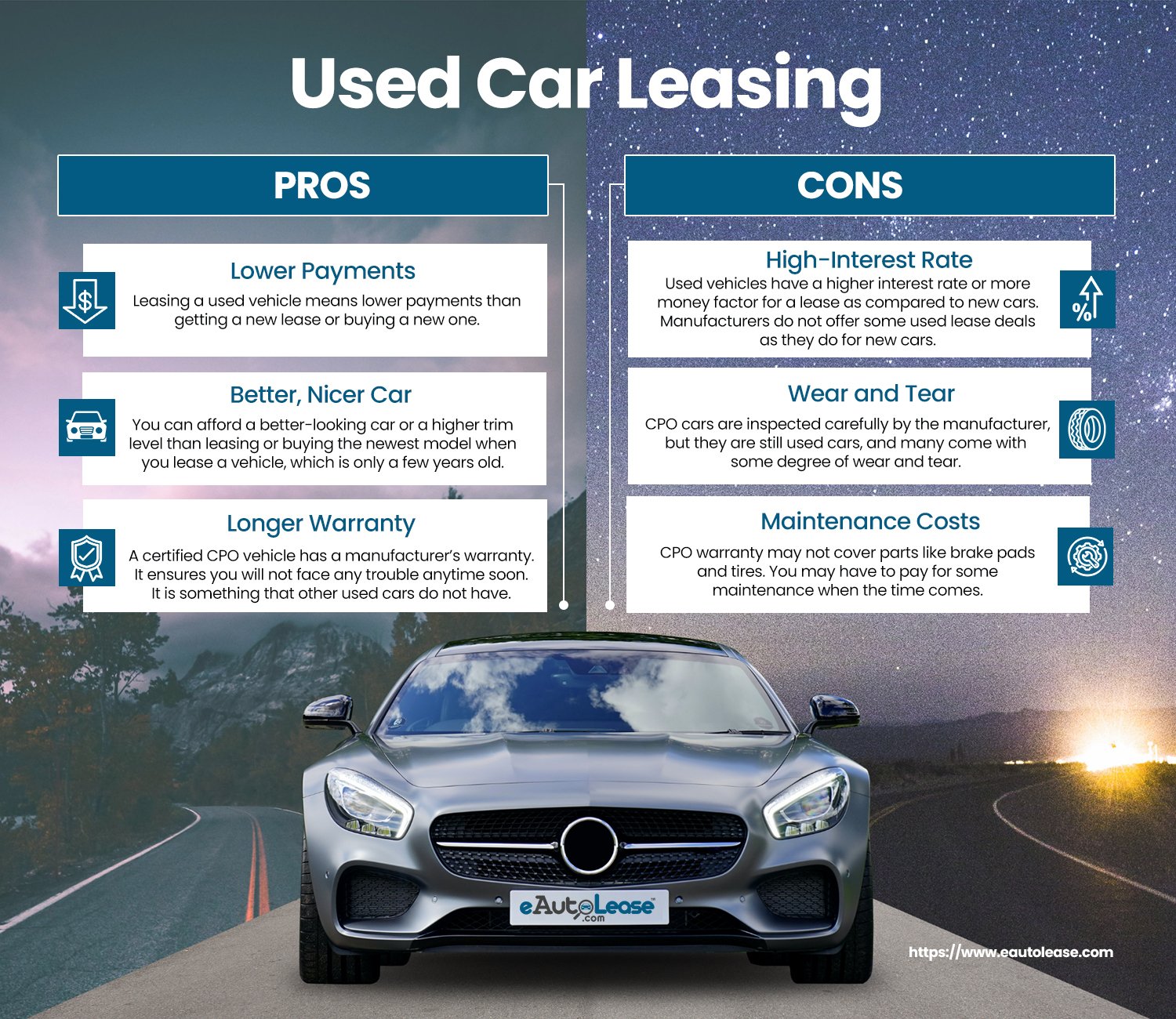
Image Source: www.eautolease.com
Exploring the World of Certified Pre-Owned Vehicle Leasing
When you think about getting a new car, leasing often comes to mind. It’s a way to drive a newer model for less money each month. But what if you’re not set on a brand-new car? This is where the idea of leasing pre-owned vehicles, specifically Certified Pre-Owned (CPO) cars, shines. Many people wonder if leasing CPO vehicles is even a possibility. The good news is, it is! This avenue opens up a world of benefits for savvy car shoppers.
What Exactly is a CPO Car?
Before diving into the leasing aspect, it’s crucial to grasp what makes a car “Certified Pre-Owned.” Unlike a regular used car, a CPO vehicle has undergone a rigorous inspection and reconditioning process by the manufacturer or a certified dealer. Think of it as a used car that’s been given a stamp of approval, a promise of quality and reliability.
Here’s a breakdown of what typically goes into making a car CPO:
- Multi-Point Inspection: Manufacturers set strict criteria. Dealerships must perform detailed checks on hundreds of components, often exceeding 100 to 200 points. This covers everything from the engine and transmission to the brakes, tires, and interior electronics.
- Reconditioning: Any parts that don’t meet the standards are repaired or replaced using genuine manufacturer parts. This ensures the car is in top mechanical and cosmetic condition.
- Extended Warranty: A significant perk of CPO vehicles is the extended warranty that comes with them. This usually covers powertrain and other major components for a specified period or mileage beyond the original factory warranty.
- Roadside Assistance: Many CPO programs include roadside assistance, adding another layer of security.
- Vehicle History Report: A clean vehicle history report is typically a prerequisite, confirming no major accidents or title issues.
Why Consider Leasing a CPO Car?
The question then becomes, why would someone want to lease a CPO car instead of buying one outright or leasing a new car? The advantages are compelling, especially for those seeking a balance between affordability and dependability.
The Financial Upside of CPO Lease Options
One of the primary drivers for choosing a CPO car lease is the cost savings. Because CPO vehicles are pre-owned, their initial depreciation has already occurred. This means:
- Lower Monthly Payments: Leasing a CPO car generally results in lower monthly payments compared to leasing a brand-new equivalent. This is because the depreciation is less steep at the start of the lease.
- Reduced Capital Cost: The money factor (interest rate) on a certified pre-owned lease can sometimes be more favorable than on a new car lease, further reducing your overall cost.
- Less Sales Tax: In many states, you only pay sales tax on the monthly payments and the residual value, not the full vehicle price. With a lower monthly payment on a CPO lease, your sales tax burden is also reduced.
The Assurance Factor: Leasing Certified Cars
While you’re saving money, you’re not sacrificing quality. The “certified” aspect means you’re getting a vehicle that has been thoroughly vetted. This is a major advantage over simply buying a regular used car, where the history and condition might be less certain.
- Peace of Mind: The manufacturer-backed warranty provides significant peace of mind. You’re protected against many unexpected repair costs during your lease term.
- Reliability: CPO vehicles are typically newer models with lower mileage, meaning they are generally more reliable and less prone to major issues.
- Quality Assurance: The stringent inspection and reconditioning process ensures you’re driving a vehicle that meets high standards.
Variety of Choices with CPO Lease Deals
The market for CPO vehicles is vast and constantly changing. This means you have access to a wide array of makes, models, and trims.
- Broader Selection: You can often find luxury vehicles or higher trim levels within your budget by opting for a CPO lease.
- Access to Previous Year Models: Many CPO vehicles are only a year or two old, meaning they still offer many of the latest features and technologies.
How CPO Lease Programs Work
The mechanics of leasing certified cars are very similar to leasing new cars. You’ll typically sign a lease agreement for a set period, usually 24, 36, or 48 months, with a mileage limit. At the end of the lease term, you have a few options:
- Return the Vehicle: If you’ve stayed within the mileage limit and avoided excessive wear and tear, you can simply return the car to the dealership.
- Purchase the Vehicle: You often have the option to buy the CPO car at a predetermined residual value.
- Lease a New Vehicle: You can use your current CPO lease as a trade-in towards a new lease or purchase.
Key Components of a CPO Lease Agreement
When you’re looking at CPO lease deals, pay attention to these crucial elements:
- Lease Term: The duration of your lease agreement (e.g., 36 months).
- Mileage Allowance: The maximum number of miles you can drive per year. Exceeding this limit will result in per-mile charges.
- Residual Value: The estimated value of the car at the end of the lease term. This is a key factor in calculating your monthly payment.
- Money Factor: This is essentially the interest rate on your lease. A lower money factor means lower monthly payments.
- Capitalized Cost: The negotiated price of the vehicle that you are leasing. A lower cap cost leads to lower monthly payments.
- Acquisition Fee: A fee charged by the leasing company to set up the lease.
- Disposition Fee: A fee charged at the end of the lease to prepare the car for resale. This is often waived if you lease or purchase another vehicle from the same dealership.
- Wear and Tear Policy: Guidelines on what constitutes normal wear and tear versus excessive damage.
Finding CPO Lease Options
The process of finding CPO lease options is similar to finding new car leases, but with a focus on dealerships that offer certified pre-owned programs.
Where to Look for CPO Leases
- Franchise Dealerships: This is the primary place to find CPO vehicles. Brands like Toyota, Honda, Ford, BMW, Mercedes-Benz, etc., all have their own CPO programs. Their websites often list available CPO inventory, and you can inquire about leasing specials.
- Manufacturer Websites: Many car manufacturers highlight their CPO programs and current lease specials on their official websites. This is a great starting point to see what’s available for specific brands.
- Online Car Marketplaces: While less common for specific CPO lease deals, some large online automotive marketplaces might list CPO vehicles at dealerships, allowing you to filter by CPO status.
Tips for Negotiating a CPO Lease
Negotiation is still a key part of the process, even for leases.
- Negotiate the Capitalized Cost: Just like buying a car, you can negotiate the price of the vehicle (the capitalized cost). A lower cap cost directly translates to lower monthly payments.
- Shop Around: Compare offers from different dealerships, even for the same make and model. CPO lease deals can vary.
- Understand All Fees: Make sure you understand every fee associated with the lease agreement.
- Consider Mileage Needs: Be realistic about how many miles you drive. Overestimating can lead to paying for unused miles, while underestimating can result in costly excess mileage fees.
CPO Leasing Benefits: A Deeper Dive
Let’s expand on the specific advantages of leasing CPO vehicles. It’s not just about saving money; it’s about a smarter way to drive.
1. Enhanced Value Proposition
The core of CPO leasing benefits lies in its exceptional value. You get a high-quality, inspected vehicle with a warranty, often for a lower monthly outlay than a new car. This makes luxury brands or higher-spec models more accessible.
2. Extended Warranty Coverage
This is arguably the biggest draw. A CPO warranty typically extends the original powertrain warranty and often adds coverage for other major components for a specific duration or mileage. This significantly reduces the risk of expensive repairs during your lease.
- Example: A new car might have a 3-year/36,000-mile bumper-to-bumper warranty and a 5-year/60,000-mile powertrain warranty. A CPO vehicle from the same manufacturer might extend this to a 6-year/100,000-mile powertrain warranty and a 1-year/12,000-mile CPO-specific limited warranty after the original bumper-to-bumper expires. This provides a robust safety net for your entire lease term.
3. Lower Depreciation Impact
New cars depreciate the most rapidly in their first few years. By leasing a CPO car that is already 1-3 years old, you benefit from the steepest part of the depreciation curve having already happened. This is reflected in a higher residual value, which in turn lowers your monthly lease payments.
4. Access to Latest Features
Many CPO vehicles are only a year or two old. This means you can still access many of the latest technologies, safety features, and design elements without paying the premium for a brand-new model. You might get advanced infotainment systems, driver-assistance features, or updated styling.
5. Lower Insurance Costs
While not always a dramatic difference, insurance premiums for leased CPO vehicles can sometimes be lower than for brand-new cars. This is because the car’s replacement cost is lower due to its pre-owned status.
Is Leasing a CPO Car Right for You?
Used car leasing, especially through CPO programs, can be an excellent fit for certain drivers. Consider your driving habits, financial goals, and preferences.
Who Benefits Most from a CPO Lease?
- Budget-Conscious Drivers: Those who want to drive a quality car but need to keep monthly expenses low.
- Drivers Seeking Value: Individuals who appreciate the concept of getting more car for their money.
- Those Who Like Variety: People who enjoy driving different cars every few years and don’t want to commit to ownership.
- Drivers Prioritizing Peace of Mind: Anyone who wants the assurance of a warranty and a thoroughly inspected vehicle.
- Lessors with Predictable Mileage: Drivers who can accurately estimate their annual mileage and stay within the lease terms.
When Might a CPO Lease Not Be Ideal?
- High Mileage Drivers: If you consistently drive significantly more than 12,000-15,000 miles per year, the excess mileage charges can become very expensive.
- Drivers Wanting Extensive Customization: Leasing agreements typically have restrictions on modifications.
- Those Who Want to Own Long-Term: If you plan to keep a car for many years, buying might be more cost-effective in the long run.
- Drivers Who Need the Absolute Latest Model: While CPO cars are relatively new, they won’t be the very latest generation.
The CPO Lease vs. Buying a CPO Car
It’s worth comparing leasing a CPO car to buying one outright. Both have their merits.
| Feature | Leasing a CPO Car | Buying a CPO Car |
|---|---|---|
| Monthly Cost | Generally lower | Higher, reflects full ownership |
| Ownership | No ownership, you pay for usage | You own the asset |
| Commitment | Short-term (e.g., 2-4 years) | Long-term |
| Depreciation | You don’t bear the full depreciation risk | You bear the full depreciation risk |
| Warranty | Extended CPO warranty covers the lease term | CPO warranty applies, then you are on your own |
| End of Term | Return, buy out, or trade-in | Sell or trade-in |
| Customization | Limited | Extensive |
| Mileage | Strict limits apply | No limits |
Making the Most of Your CPO Lease
Once you’ve decided to lease a CPO car, here are some final tips to ensure a smooth experience:
- Read the Contract Carefully: Every word matters. Ensure you comprehend all terms, conditions, fees, and policies.
- Maintain the Vehicle: Follow the manufacturer’s recommended maintenance schedule. Keeping records is crucial, especially for warranty claims.
- Manage Wear and Tear: Be mindful of scratches, dents, tire wear, and interior damage. Minor repairs before return can save you money on excess wear and tear charges.
- Know Your Mileage: Keep a close eye on your odometer to avoid exceeding your mileage allowance.
Conclusion: The Smart Way to Drive
The answer to “Can you lease a CPO car?” is a resounding yes. It represents a smart, financially savvy approach to driving a reliable, well-warranted vehicle. By leveraging CPO lease deals, consumers can enjoy the benefits of lower monthly payments, extended warranty coverage, and access to quality vehicles without the hefty price tag of new. Whether you’re drawn to the allure of luxury brands or simply seeking a dependable car with built-in peace of mind, exploring certified pre-owned vehicle leasing is a strategy worth considering. It’s a sophisticated option in the world of used car leasing that balances cost-effectiveness with assurance.
Frequently Asked Questions (FAQ)
Q1: Is leasing a CPO car more expensive than leasing a new car?
A1: Typically, no. Leasing a CPO car often results in lower monthly payments than leasing a comparable new car because the initial, steepest depreciation has already occurred.
Q2: What happens if I exceed the mileage limit on a CPO lease?
A2: You will be charged a per-mile fee for every mile over the agreed-upon allowance. These fees can add up quickly, so it’s important to choose a mileage limit that matches your driving habits.
Q3: Can I buy a CPO car at the end of my lease?
A3: Yes, most CPO lease agreements include a purchase option, allowing you to buy the vehicle at the predetermined residual value.
Q4: Are CPO leases available for all car brands?
A4: Most major automotive manufacturers offer CPO programs, and consequently, CPO leases are generally available for these brands. However, the specifics of the programs can vary.
Q5: What kind of warranty coverage can I expect on a CPO lease?
A5: CPO vehicles come with an extended warranty that typically covers the powertrain for a longer period than the original factory warranty. Many programs also offer additional coverage on other components, providing robust protection throughout the lease term.
Q6: Is it possible to negotiate the price on a CPO lease?
A6: Yes, you can and should negotiate the capitalized cost of the vehicle, which is the price at which the lease is established. A lower negotiated price will result in lower monthly payments.
Q7: What is the difference between leasing a CPO car and leasing a standard used car?
A7: The key difference is the certification process. CPO cars undergo rigorous inspections and reconditioning, and they come with an extended manufacturer-backed warranty. Standard used cars may not have undergone such extensive checks or include a warranty, making CPO leases a safer option.
Q8: Can I put down a down payment on a CPO lease?
A8: Yes, you can make a down payment (also known as a “cap cost reduction”) on a CPO lease. This can lower your monthly payments. However, be aware that if the car is totaled, you won’t get your down payment back.
Q9: What are the CPO leasing benefits beyond cost savings?
A9: Beyond cost savings, benefits include extended warranty coverage for peace of mind, access to newer features at a lower price point, and avoiding the steepest depreciation of a new vehicle.
Q10: Are there specific CPO lease deals available?
A10: Yes, manufacturers and dealerships frequently offer special CPO lease deals, promotions, and reduced rates to incentivize customers to choose certified pre-owned vehicles. It’s worth checking manufacturer websites and local dealership promotions for these offers.