
Image Source: i.ytimg.com
How to Clean Mold From Inside a Car Safely
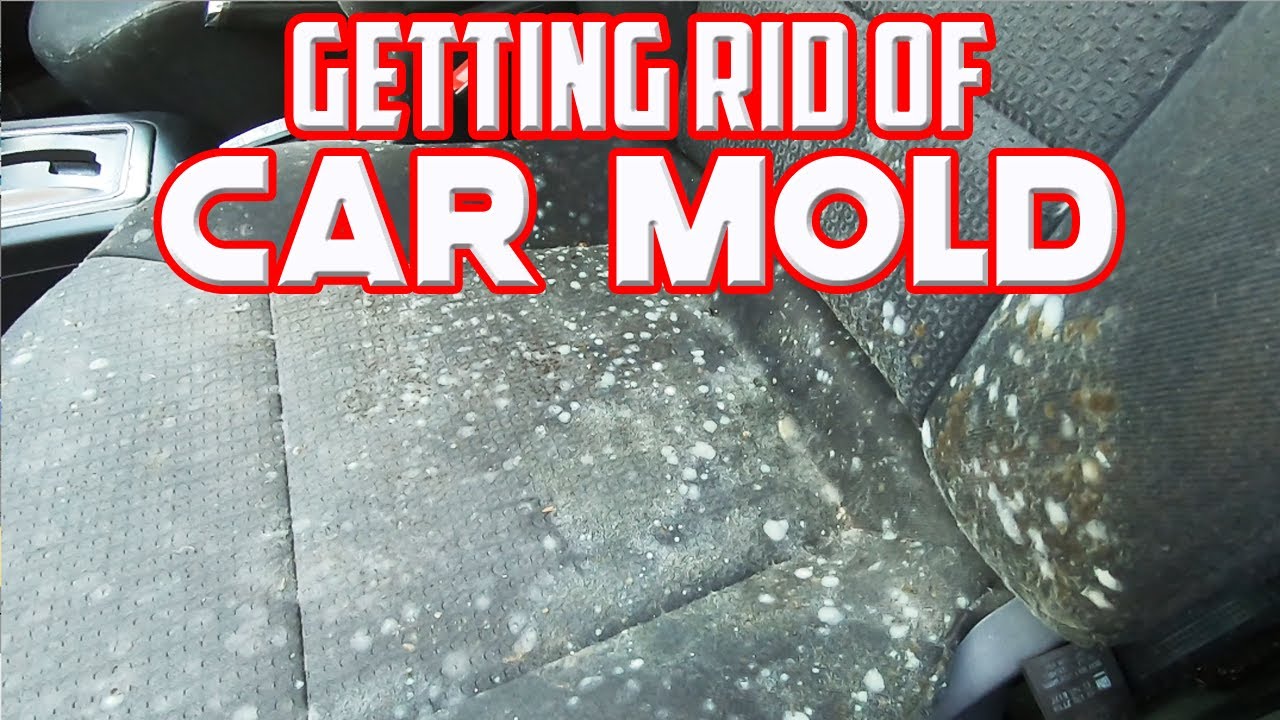
Can you clean mold from inside a car? Yes, you absolutely can clean mold from inside a car safely with the right approach and materials. Mold in your car’s interior is not just unsightly; it can also pose health risks due to the release of spores. This guide will walk you through the process of car interior mold removal, helping you tackle everything from minor spots to more extensive damp car interior mold issues. We’ll cover effective methods to eliminate mold smell car and address black mold on car seats.
Identifying the Source of Mold
Before you start your DIY car mold cleaning, it’s crucial to figure out why the mold is growing in the first place. Mold needs moisture, food (organic materials found in your car), and the right temperature to thrive. Common culprits include:
- Leaky Windows or Seals: Water seeping in around door frames, windows, or the sunroof can create a perpetually damp environment.
- Spills and Stains: Coffee, soda, milk, or any liquid spilled and not thoroughly cleaned can become a food source for mold.
- Wet Mats and Carpets: Allowing wet floor mats or carpets to remain in the car for extended periods is a fast track to mold growth.
- Clogged Drainage Ports: Water can accumulate in the car’s body if drainage ports (often found near the windshield wipers or under the car) are blocked by leaves or debris.
- Condensation: In humid climates or during seasonal changes, condensation can form on windows and other surfaces, providing the necessary moisture.
- Car Ventilation Mold: The car’s ventilation system can trap moisture and debris, leading to mold growth that can then circulate through the cabin.
Identifying the source is key to preventing mold in car from returning after your cleaning efforts.
Essential Safety Precautions
Working with mold requires caution. Mold spores can irritate your respiratory system and skin. Always take these safety steps:
- Ventilate the Car: Open all doors and windows before you start cleaning. Keep them open throughout the process.
- Wear Protective Gear:
- Gloves: Wear rubber or nitrile gloves to protect your skin.
- Mask: A N95 respirator mask is highly recommended to avoid inhaling mold spores.
- Eye Protection: Goggles can prevent spores from getting into your eyes.
- Avoid Spreading Spores: Do not use dry brushing or vacuuming methods that can kick up spores into the air before the mold is wet and contained.
Gathering Your Cleaning Supplies
Having the right tools and cleaning agents is essential for effective automotive mold remediation. Here’s a list of what you’ll need:
- Mold Killer for Car Interior: Specific products designed for mold removal are best.
- Distilled White Vinegar: A natural and effective mold killer.
- Rubbing Alcohol (Isopropyl Alcohol): Can be used for disinfecting surfaces.
- Mild Dish Soap: For general cleaning of upholstery and surfaces.
- Water: For rinsing and diluting cleaning solutions.
- Clean Cloths and Microfiber Towels: For applying solutions, wiping, and drying.
- Soft-Bristled Brushes: For gently scrubbing mold from fabrics.
- Vacuum Cleaner with HEPA Filter: Crucial for removing dried mold and spores after the initial wet cleaning.
- Spray Bottles: For applying cleaning solutions.
- Buckets: For holding water and cleaning solutions.
- Fan (Optional but Recommended): To aid in drying the car thoroughly.
Step-by-Step Guide to Car Interior Mold Removal
This comprehensive approach will help you effectively clean car upholstery mold and other surfaces.
Step 1: Initial Inspection and Preparation
- Locate All Moldy Areas: Carefully inspect the entire car interior. Pay close attention to:
- Carpet and floor mats
- Seat upholstery (especially seams and under seats)
- Headliner
- Door panels
- Dashboard and console
- Trunk
- Seatbelts
- Remove Loose Items: Take out all personal belongings, floor mats, and any other removable items from the car. Clean these separately.
- Protect Sensitive Areas: If you are using a harsh cleaner, you might want to protect electronics or other sensitive parts with plastic wrap, though good ventilation should minimize risks.
Step 2: Cleaning Different Surfaces
The method for car interior mold removal will vary slightly depending on the material.
Cleaning Mold From Car Upholstery and Carpets
This is often the most challenging part of automotive mold remediation.
- Test a Small Area: Before applying any cleaning solution to a large area, test it on an inconspicuous spot to ensure it doesn’t cause discoloration or damage.
- Apply Your Chosen Mold Killer:
- Vinegar Solution: Mix equal parts distilled white vinegar and water in a spray bottle. Vinegar is a natural disinfectant and mold killer that is safe for most car fabrics.
- Commercial Mold Remover: Follow the manufacturer’s instructions carefully. Ensure it’s specifically designed for automotive interiors.
- Let It Sit: Allow the solution to sit on the moldy area for about 5-10 minutes. This gives the cleaner time to break down the mold.
- Gently Scrub: Use a soft-bristled brush or a clean cloth to gently scrub the moldy area. Work in a circular motion. Avoid aggressive scrubbing, which can damage fabric fibers. For stubborn spots of black mold on car seats, you might need a slightly firmer brush, but always proceed with caution.
- Wipe and Rinse: Dampen a clean cloth with plain water and wipe the area to remove the loosened mold and cleaning solution. Rinse the cloth frequently.
- Dry Thoroughly: This is a critical step to prevent regrowth. Blot the area with dry microfiber towels. You can also use a fan to speed up the drying process.
Cleaning Mold From Hard Surfaces (Dashboard, Door Panels, Plastic Trim)
- Vinegar or Alcohol Solution: For hard surfaces, a solution of equal parts rubbing alcohol and water, or the vinegar and water solution, works well.
- Wipe Down: Dampen a cloth with the solution and wipe down all affected hard surfaces.
- Disinfect: For extra disinfection, you can use a cloth slightly dampened with rubbing alcohol and wipe down the surfaces again.
- Dry: Wipe dry with a clean microfiber towel.
Cleaning Mold From the Headliner
The headliner is delicate and often made of composite materials that can sag if too much moisture is applied.
- Use a Very Damp Cloth: Do not spray directly onto the headliner. Lightly mist your cleaning solution (vinegar and water) onto a clean microfiber cloth.
- Gently Dab: Gently dab the moldy spots. Avoid rubbing or saturating the fabric.
- Wipe Clean: Use another cloth dampened with plain water to gently wipe away the residue.
- Air Dry: Allow the headliner to air dry completely. A fan can help.
Cleaning Mold From Windows and Mirrors
- Glass Cleaner: Use a standard glass cleaner or a solution of water and vinegar.
- Wipe: Wipe down the interior of windows and mirrors with a clean cloth.
- Dry: Buff dry with a separate clean, lint-free cloth.
Step 3: Addressing the Car Ventilation Mold
If you suspect mold within your car’s ventilation system, this requires specific attention.
- Access Vents: If possible, open all air vents.
- Spray Solution into Vents: With the engine off and ventilation system set to bring in fresh air (not recirculate), you can carefully spray a mold-killing solution (like the vinegar and water mix, or a specialized car vent cleaner) into the intake vents (usually located at the base of the windshield).
- Run the Fan: After letting the solution sit for a few minutes, turn on the fan at a low setting for a short period to help distribute the cleaner.
- Dry Thoroughly: Ensure the car is well-ventilated afterward to allow the system to dry.
Step 4: Deep Cleaning and Deodorizing
Once the visible mold is gone, you need to ensure the lingering smell is eliminated and any remaining spores are neutralized.
- Odor Absorbers: Place bowls of baking soda or activated charcoal in the car overnight. These are excellent for absorbing lingering odors, including that musty mold smell.
- Ozone Generator (Professional Use Recommended): For persistent odors and to kill any remaining microscopic mold spores, an ozone generator can be used. However, these can be harsh and require the car to be unoccupied during treatment and thoroughly aired out afterward. It’s often best left to professionals.
- Sunlight and Fresh Air: Once cleaned and dried, park your car in direct sunlight with the windows cracked open for a few hours. UV rays from the sun can help kill mold and freshen the interior.
Step 5: Final Vacuuming
After all surfaces are completely dry, you can perform a final vacuuming.
- Use a HEPA Filter: Ensure your vacuum has a HEPA filter. This is crucial for trapping fine mold spores, preventing them from being released back into the air.
- Vacuum All Surfaces: Thoroughly vacuum carpets, upholstery, floor mats, and any other fabric surfaces.
Preventing Mold in Your Car
The most effective way to deal with mold is to prevent it from forming in the first place. Here are key strategies for preventing mold in car interiors:
- Address Leaks Immediately: Don’t delay in fixing any water leaks from windows, doors, or the sunroof.
- Dry Wet Items: Never leave wet items, such as gym clothes, wet towels, or damp umbrellas, inside the car. Remove and dry them promptly.
- Clean Spills Promptly: Treat spills of any liquid as soon as they happen. Use absorbent towels and a mild cleaning solution to remove moisture and residue.
- Regularly Dry Floor Mats: Take out floor mats and let them dry in the sun periodically, especially after rain or snow.
- Check Drainage Ports: Periodically clear leaves and debris from the car’s drainage ports to ensure water can escape freely.
- Maintain Ventilation: Occasionally run your car’s fan (even without the AC or heat) to circulate air and help dry out potential moisture.
- Use Dehumidifiers: In very humid climates or during prolonged periods of damp weather, consider using a small, car-specific dehumidifier or moisture-absorbing products.
- Park Smart: If possible, avoid parking under trees that drop sap or leaves, as these can contribute to blockages and moisture retention.
What to Do About Stubborn Mold or Extensive Growth
If you find extensive mold growth or persistent black mold on car seats, it might be time to consider professional help. Automotive mold remediation specialists have access to more powerful equipment and cleaning agents that can effectively deal with severe infestations. They can also properly identify the type of mold and ensure complete removal.
Table: Cleaning Solutions for Different Surfaces
| Surface Type | Recommended Cleaning Solution | Application Method | Caution |
|---|---|---|---|
| Upholstery & Carpets | 1:1 Distilled White Vinegar & Water; Mild Soap & Water | Spray lightly, let sit, gently scrub with soft brush, wipe with damp cloth, dry thoroughly. | Test in an inconspicuous area first. Avoid over-saturating. Ensure complete drying to prevent regrowth. |
| Hard Surfaces (Plastic, Vinyl) | 1:1 Rubbing Alcohol & Water; 1:1 Vinegar & Water | Wipe with a dampened cloth, then dry with a clean cloth. | Some plastics may be sensitive to alcohol; test first. |
| Leather | Specialized Leather Cleaner; Mild Soap & Water | Apply cleaner to cloth, wipe gently, follow with a leather conditioner. | Avoid harsh chemicals or excessive moisture. |
| Headliner | Lightly misted Vinegar & Water on Cloth | Gently dab, do not saturate or rub. Air dry. | Headliner material is delicate and can sag or tear with too much moisture or friction. |
| Windows & Mirrors | Glass Cleaner; Water & Vinegar | Spray onto cloth, wipe surface, buff dry with a clean, lint-free cloth. | Ensure no streaks are left behind. |
Frequently Asked Questions (FAQ)
Q1: Is mold in my car dangerous?
A: Yes, mold spores can trigger allergies, asthma attacks, and other respiratory problems in sensitive individuals. Prolonged exposure to damp environments can exacerbate these issues.
Q2: Can I use bleach to clean mold from my car?
A: It is generally not recommended to use bleach inside a car. Bleach can damage upholstery, fade colors, and its fumes can be harmful in an enclosed space without adequate ventilation. Natural alternatives like vinegar are safer and effective.
Q3: How long does it take to clean mold from a car?
A: The time it takes can vary significantly depending on the extent of the mold growth. A minor spot might take an hour or two, while a more widespread infestation, including drying time, could take several hours or even a full day.
Q4: How can I tell if the mold is gone?
A: Visibly remove all mold. The most reliable indicator that the mold is gone and the environment is unfavorable for its return is the elimination of the musty odor. If the smell persists, mold may still be present, or moisture is still an issue.
Q5: What is the best mold killer for car interior?
A: Distilled white vinegar is a highly effective and safe option for most car interiors. Specialized automotive mold removers are also available and can be very effective, but always read and follow product instructions.
By following these guidelines, you can effectively tackle mold in your car, creating a healthier and more pleasant environment. Remember, prompt action and consistent prevention are your best allies against this common automotive issue.