
Your car’s dashboard warning lights are designed to alert you to potential issues. When your car displays “Shift to Park,” it’s a clear indication that the vehicle’s system believes it’s not safely in the park position, even if you’ve physically moved the shifter. This message can be triggered by various factors, ranging from simple user error to more complex gear selection issue or transmission error. While it might seem alarming, most of the time, this warning is a solvable problem with common fixes.
This article aims to demystify the “Shift to Park” message, explaining its causes and offering practical solutions you can try. We’ll delve into the intricate workings of your car’s transmission system and pinpoint the most common culprits behind this alert.
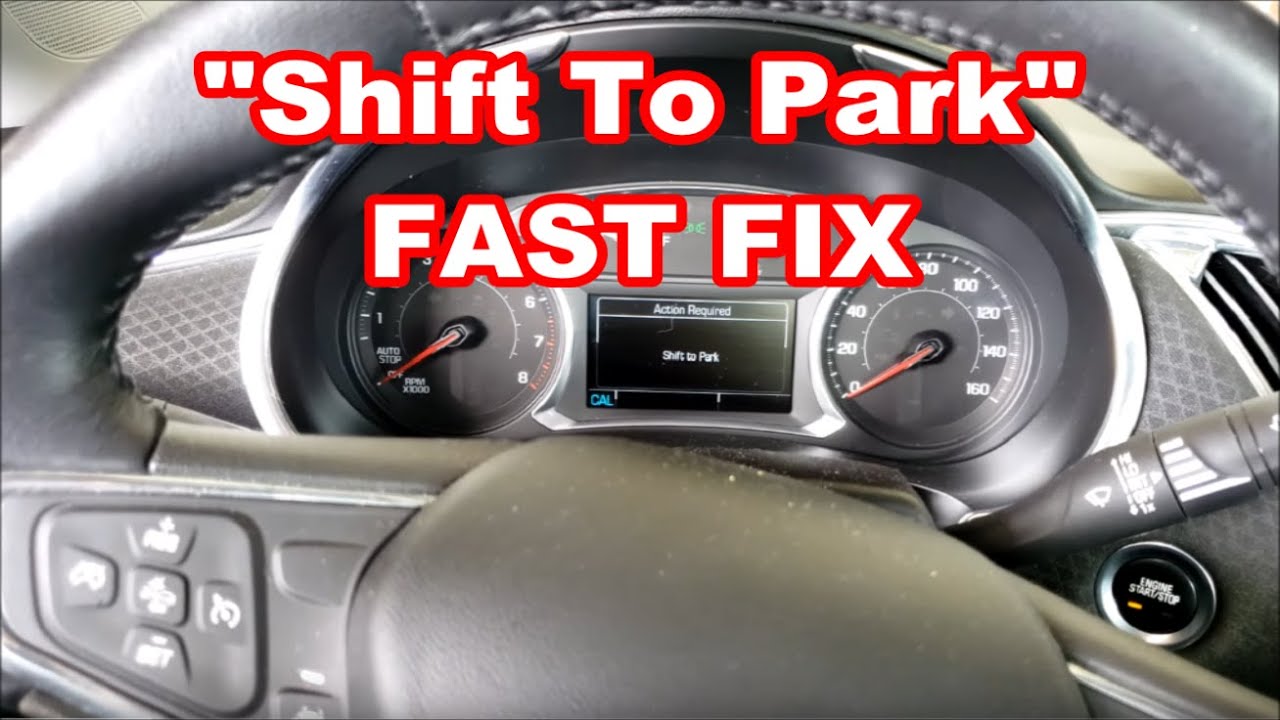
Image Source: i.ytimg.com
Deciphering the “Shift to Park” Message
The “Shift to Park” warning is a safety feature. It tells you that the car’s computer system has detected a discrepancy between the physical position of the gear shifter and the actual state of the transmission. Essentially, the car doesn’t feel secure in the park gear, which could prevent it from starting or lead to accidental rolling.
What is the most common reason for a “Shift to Park” message?
The most frequent reason for a “Shift to Park” message is a fault in the park position sensor. This sensor is crucial for telling the car’s computer that the transmission is indeed in park. If this sensor malfunctions, it can send an incorrect signal, leading to the warning.
Common Causes and Their Solutions
Several components work together to ensure your car is safely in park. When one of these fails or is out of alignment, the “Shift to Park” message can appear.
1. Park Position Sensor Malfunction
The park position sensor, also known as the transmission range sensor or neutral safety switch, is a critical part of your transmission system. It tells the car’s computer which gear the transmission is in.
- How it Works: This sensor is typically located on the valve body inside the transmission or attached to the shifter mechanism. When you move the gear shifter, the sensor registers the position and sends this information to the car’s computer (ECU).
- Why it Fails: Over time, these sensors can wear out, get dirty, or experience electrical problems. A faulty sensor can send a false signal, indicating that the car is not in park even when it is.
- Symptoms: Besides the “Shift to Park” message, a bad park position sensor can also cause the vehicle not to start, the brake lights to not function correctly, or the reverse lights to stay on.
- Fixes:
- Cleaning or Realignment: In some cases, the sensor might just be dirty or slightly misaligned. A mechanic might be able to clean it or adjust its position.
- Replacement: If the sensor is faulty, it will need to be replaced. This is a common repair for this issue.
2. Shifter Cable Problem
The shifter cable connects your gear shifter to the transmission. When you move the shifter, this cable physically moves the linkage within the transmission to select the gear.
- How it Works: This mechanical linkage is vital. A properly adjusted and functioning shifter cable ensures that when you move the lever to “Park,” the transmission’s internal mechanism engages the parking pawl.
- Why it Fails: Shifter cables can stretch over time, break, or become disconnected. The linkage at either end might also become loose or corroded.
- Symptoms: If the shifter cable is loose or broken, the shifter in your car might not accurately reflect the transmission’s actual gear. This can lead to the “Shift to Park” warning. You might also notice the shifter feels loose or sloppy.
- Fixes:
- Adjustment: If the cable has stretched or become loose, a mechanic can often adjust it to restore proper engagement.
- Replacement: If the cable is damaged or broken, it will need to be replaced entirely. This is a more involved repair.
3. Neutral Safety Switch Issues
The neutral safety switch, often integrated with or closely related to the park position sensor, prevents the engine from starting unless the transmission is in Park or Neutral.
- How it Works: This switch acts as a safety interlock. It’s designed to complete the starting circuit only when the transmission is in a safe position.
- Why it Fails: Like other electrical components, the neutral safety switch can fail due to wear, dirt, or electrical shorts.
- Symptoms: A common symptom is the vehicle not starting. If the switch is faulty and doesn’t recognize the Park or Neutral position, the starter motor won’t engage. You might also see the “Shift to Park” message if the switch also informs the ECU of the gear position.
- Fixes:
- Testing and Replacement: A mechanic will test the switch. If it’s faulty, it will be replaced.
4. Park Lock Mechanism Issues
The park lock mechanism is a crucial safety feature that physically prevents the vehicle from rolling when in park. It involves a “parking pawl” that engages with a gear on the output shaft of the transmission.
- How it Works: When you shift into Park, a lever (actuated by the shifter cable) engages the parking pawl. This pawl physically locks the transmission’s output shaft, preventing it from turning.
- Why it Fails: The mechanism can fail due to wear and tear, damage, or if it doesn’t engage properly due to other transmission issues.
- Symptoms: If the park lock mechanism isn’t fully engaging, the car might not feel completely secure in park, or the system may detect that the parking pawl isn’t properly seated. This can trigger the “Shift to Park” message. A failed park lock can also result in the car rolling when left unattended.
- Fixes:
- Inspection and Repair: This often requires internal transmission work. A mechanic will need to inspect the linkage and the pawl itself to diagnose and repair any issues.
5. Transmission Interlock Problems
The transmission interlock is a system that prevents you from shifting out of Park unless the brake pedal is pressed. This is another safety feature.
- How it Works: A solenoid usually controls this interlock. When you press the brake pedal, it releases the solenoid, allowing you to move the shifter.
- Why it Fails: The solenoid itself can fail, or the wiring to it can be damaged. Sometimes, the brake light switch (which signals the ECU that the brake is pressed) can also be a factor.
- Symptoms: If the transmission interlock isn’t disengaging properly, you might have trouble shifting out of park. If there’s an issue with the system detecting the brake pedal press, it could indirectly influence the park signal.
- Fixes:
- Brake Light Switch Check: Ensure your brake lights are working. If not, the brake light switch might be the culprit.
- Solenoid Replacement: If the interlock solenoid is faulty, it will need replacement.
6. Gearbox Malfunction (Less Common, More Serious)
A broader gearbox malfunction within the transmission itself can sometimes manifest as a “Shift to Park” warning. This might be due to internal electronic faults or mechanical issues within the transmission control module.
- How it Works: Modern transmissions rely heavily on electronic controls. Sensors throughout the gearbox monitor various parameters, and the transmission control module (TCM) interprets this data to manage gear changes and select the appropriate gear.
- Why it Fails: Internal wear, fluid contamination, or electronic component failure within the TCM can lead to various transmission errors.
- Symptoms: If the TCM receives faulty data from internal sensors or has a fault itself, it could wrongly report the transmission’s state, leading to the “Shift to Park” message. Other symptoms might include rough shifting, delayed engagement, or the transmission being stuck in a specific gear.
- Fixes:
- Diagnostic Trouble Codes: A mechanic will use a scanner to read any diagnostic trouble code (DTC) stored in the ECU or TCM. These codes provide specific information about the nature of the malfunction.
- Fluid Check and Flush: In some cases, low or dirty transmission fluid can cause erratic behavior. Checking and, if necessary, flushing the transmission fluid might help.
- Internal Repair or Replacement: If the gearbox itself has a significant malfunction, it may require extensive internal repairs or even a complete transmission replacement, which can be very costly.
7. Battery Issues or Electrical System Problems
An unstable electrical system or a low battery can sometimes cause warning lights and messages to appear erratically.
- How it Works: All electronic systems in your car rely on a stable power supply from the battery and alternator.
- Why it Fails: A weak battery, a faulty alternator, or corroded battery terminals can lead to fluctuating voltage. This can confuse sensitive electronic modules, including those related to the transmission.
- Symptoms: You might notice other electrical glitches, dimming lights, or difficulty starting the car. The “Shift to Park” message might appear alongside these other issues.
- Fixes:
- Battery Test: Have your battery and charging system tested.
- Clean Terminals: Ensure battery terminals are clean and free of corrosion.
- Check Alternator: If the battery is fine, the alternator might not be charging it correctly.
8. Software Glitches
Like any complex computer system, your car’s software can occasionally experience glitches.
- How it Works: The transmission control module runs sophisticated software to manage its operations.
- Why it Fails: Software bugs or temporary glitches can occur, leading to incorrect readings or messages.
- Symptoms: The “Shift to Park” message might appear randomly and then disappear.
- Fixes:
- Software Update/Re-flash: Dealerships or specialized mechanics can often re-flash or update the transmission control module’s software, which can resolve minor glitches.
Troubleshooting Steps You Can Take
Before rushing to a mechanic, there are a few things you can try yourself to diagnose or resolve the “Shift to Park” message:
- Turn the Car Off and On: Sometimes, a simple reboot of the car’s electronic system can clear temporary glitches. Turn the ignition completely off, wait a few seconds, and then turn it back on.
- Verify Shifter Position: Ensure the gear shifter is firmly and correctly seated in the “Park” position. Sometimes, it might feel like it’s in Park but isn’t fully engaged. Try wiggling it slightly to ensure it’s snug.
- Check Brake Pedal: Make sure you are pressing the brake pedal firmly when shifting. The transmission interlock system requires this.
- Inspect Battery Terminals: If you’re comfortable, check your battery terminals for corrosion. Clean them with a wire brush if necessary.
- Listen for Sounds: When you try to shift into Park, listen for any unusual clunking or grinding noises from the transmission.
When to See a Professional Mechanic
If the simple troubleshooting steps don’t resolve the issue, or if you notice other symptoms like the vehicle not starting, rough shifting, or warning lights related to the engine or transmission, it’s time to consult a professional.
What should a mechanic check first for a “Shift to Park” message?
A mechanic will typically start by connecting a diagnostic scanner to read diagnostic trouble codes (DTCs). This will give them specific pointers on which system or sensor is reporting the fault. They will then likely check:
- Park Position Sensor: This is often the primary suspect.
- Shifter Cable Adjustment and Condition: They’ll examine the linkage.
- Neutral Safety Switch: To ensure it’s functioning correctly.
- Transmission Fluid Level and Condition: As low or degraded fluid can cause issues.
Cost of Repairs
The cost of repairing a “Shift to Park” message can vary significantly depending on the cause:
- Park Position Sensor/Neutral Safety Switch Replacement: This is usually a moderately priced repair, typically ranging from $150 to $500, depending on the vehicle make and model and labor costs.
- Shifter Cable Adjustment/Replacement: An adjustment might be relatively inexpensive ($50-$150), while a full cable replacement can cost $200-$600.
- Transmission Interlock Solenoid Replacement: Similar to other solenoids, this can cost between $100 and $300.
- Internal Transmission Repair: This is the most expensive category. Depending on the severity of the gearbox malfunction, repairs can range from several hundred dollars for minor component replacements to several thousand dollars for major overhauls or transmission replacement.
It’s always a good idea to get a detailed quote from your mechanic before authorizing any work.
Can I Drive My Car with the “Shift to Park” Message?
While many modern cars will not allow you to start the engine if the “Shift to Park” message is active, if your car does start and the message persists, it’s generally advisable to avoid driving until the issue is resolved.
Driving with a faulty park position sensor or a loose shifter cable can be unsafe. The car might not be as securely in park as you believe, posing a risk of rolling. Furthermore, the underlying issue could be a symptom of a more significant transmission error that could worsen if the vehicle is driven.
Frequently Asked Questions (FAQ)
Q1: My car says “Shift to Park,” but I’m sure it’s in Park. What’s wrong?
A1: This usually means the park position sensor or the shifter cable is not accurately communicating the transmission’s position to the car’s computer. A gear selection issue is likely.
Q2: Can I ignore the “Shift to Park” warning?
A2: No, it’s not recommended. This is a safety warning, and ignoring it could lead to the vehicle not starting or the car rolling unexpectedly.
Q3: My car won’t start, and it says “Shift to Park.” What should I do?
A3: This often points to a problem with the neutral safety switch or the park position sensor preventing the engine from engaging the starter. Try verifying the shifter is firmly in park. If that doesn’t work, you’ll need a mechanic.
Q4: Is a “Shift to Park” message always a serious problem?
A4: Not necessarily. It can be a simple sensor issue or a minor adjustment needed for the shifter cable. However, it can also be an indicator of a more complex gearbox malfunction or transmission error.
Q5: How long does it take to fix a “Shift to Park” issue?
A5: For simpler fixes like sensor replacement or cable adjustment, it might take a few hours. More complex internal transmission repairs can take several days.
By understanding the various components involved in your car’s gear selection and the potential reasons behind the “Shift to Park” message, you can be better prepared to diagnose and address this common automotive issue. Always prioritize safety and consult a qualified mechanic if you are unsure about any repairs.