
What is a car title? A car title, also known as a certificate of title, is a legal document that proves you own a vehicle. It’s a crucial piece of paperwork for any car owner in Canada. Can I get a title for a Canadian car if I bought it from a private seller? Yes, you absolutely can. Who issues car titles in Canada? Titles are typically issued by the provincial licensing or motor vehicle authority in the province where the vehicle is registered.
Navigating the process of obtaining a car title in Canada might seem complex, but with the right information, it becomes straightforward. Whether you’ve just purchased a used car, are importing a vehicle, or dealing with an out-of-province vehicle, securing the correct title is essential for legal ownership and future sales. This guide will walk you through the necessary steps, documents, and considerations for getting a title for your Canadian car.
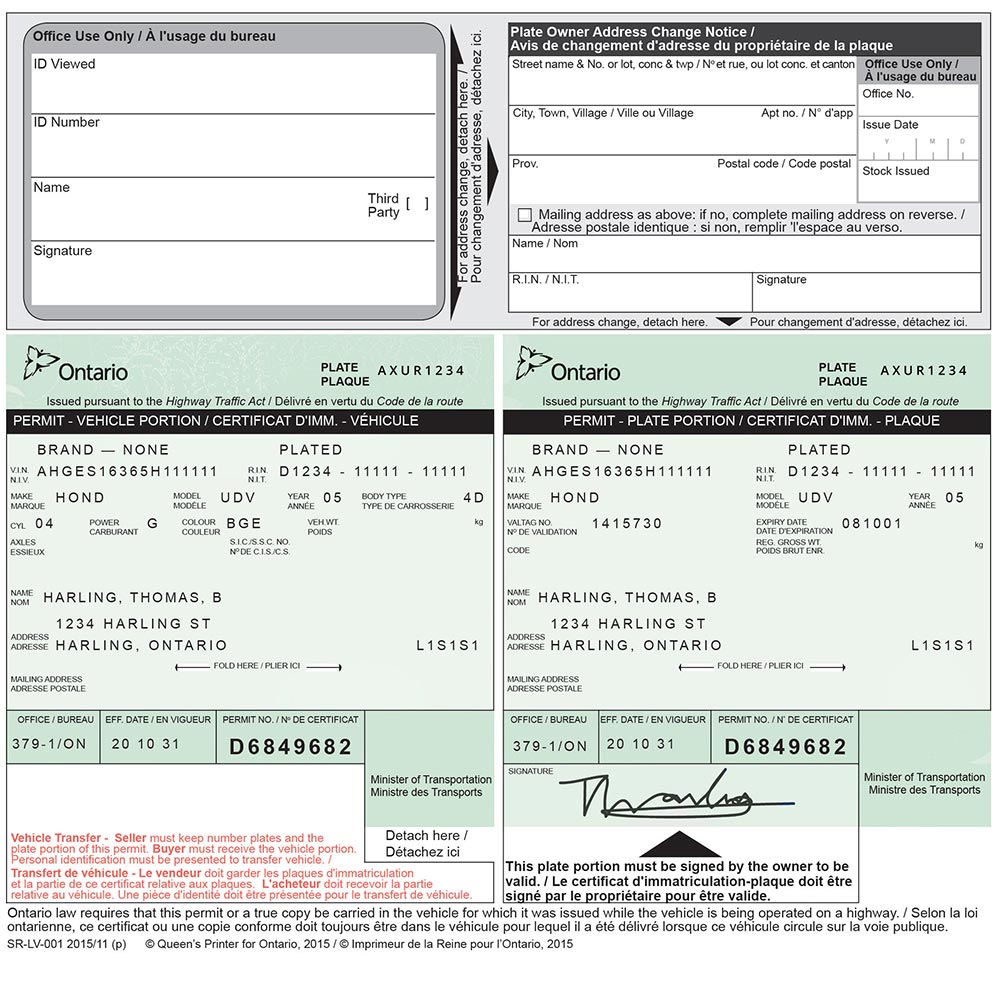
Image Source: www.carbuyerusa.com
The Foundation of Ownership: Why a Title Matters
A car title is more than just a piece of paper; it’s your proof of ownership. Without a proper title, you can’t legally register your vehicle, sell it, or even get it insured in many cases. It’s the key document that links you to the car and confirms that there are no outstanding liens or claims against it.
Think of it as the “deed” to your vehicle. Just like you need a deed to prove you own a house, you need a title to prove you own a car.
Key Functions of a Car Title:
- Proof of Ownership: The most fundamental purpose.
- Vehicle Registration: Essential for registering your car with the provincial vehicle authority.
- Insurance: Most insurance companies require a title to issue a policy.
- Sales: Necessary when you decide to sell the vehicle.
- Lien Checks: Indicates if there are any loans or financial claims against the vehicle.
Acquiring a Title for a Used Car: The Standard Process
When you buy a used car from a private seller or a dealership, the title is the most important document to receive. The seller, whether an individual or a business, should provide you with the existing title.
Steps for a Used Car Title Transfer:
- Obtain the Current Title: The seller must sign over the existing title to you. Ensure the seller’s name is exactly as it appears on the title and that there are no alterations.
- Bill of Sale: A bill of sale is a crucial document that details the transaction between the buyer and seller. It should include:
- Full names and addresses of both buyer and seller.
- Vehicle identification number (VIN).
- Year, make, and model of the vehicle.
- Purchase price.
- Date of sale.
- Signatures of both parties.
This document serves as a receipt and a record of the ownership transfer.
- Vehicle Inspection (If Required): Some provinces may require a safety inspection before a vehicle can be registered, especially if it’s an out-of-province vehicle or has been unregistered for a period.
- Visit Your Provincial Licensing Office: You will need to take the signed title, the bill of sale, and your identification to your local provincial vehicle authority or registrar of motor vehicles.
- Pay Fees and Taxes: Be prepared to pay any applicable transfer fees, sales tax (like GST/HST or PST), and registration fees. The amount will vary by province and the vehicle’s value.
- Receive Your New Title and Registration: Once all paperwork is processed and fees are paid, the provincial authority will issue you a new title in your name and a new registration certificate.
Table 1: Essential Documents for Used Car Title Transfer
| Document | Purpose | Who Provides | Notes |
|---|---|---|---|
| Vehicle Title | Legal proof of ownership. | Seller | Must be signed by the seller. Ensure no alterations. |
| Bill of Sale | Record of the transaction, purchase price, and parties involved. | Buyer and Seller (often prepared by buyer) | Essential for your records and for the provincial vehicle authority. |
| Identification | Proof of your identity. | Buyer | Driver’s license, passport, etc. |
| Proof of Insurance | Required for registration. | Buyer | Obtain insurance before visiting the licensing office. |
Dealing with an Out-of-Province Vehicle Title
Bringing a vehicle from one Canadian province or territory to another involves a specific process to ensure the vehicle’s history is clear and to issue a new title for that province. This is particularly important for the vehicle registration.
Steps for an Out-of-Province Vehicle Title:
- Obtain the Original Title: The seller must provide the title from the province where the vehicle was last registered.
- Proof of Sale: A bill of sale is necessary, just as with an in-province purchase.
- VIN Verification: The province you are registering in will likely require a VIN verification to confirm the vehicle’s identity and ensure it hasn’t been reported stolen or tampered with. This is often done by a designated inspection station or law enforcement.
- Safety Inspection and Emissions Test: Most provinces require a comprehensive safety inspection and potentially an emissions test for out-of-province vehicles. This ensures the vehicle meets the safety standards of the new province.
- Provincial Licensing Office Visit: Present the original title, bill of sale, VIN verification, inspection reports, and your identification to the provincial vehicle authority.
- Pay Fees and Taxes: You will need to pay transfer fees, provincial sales tax (if applicable in the new province, and you’ll need to account for any taxes paid in the original province), and registration fees.
- Receive New Provincial Title and Registration: Once approved, you’ll get a new title and registration reflecting the new province of ownership.
Considerations for Out-of-Province Vehicles:
- Rust and Road Salt: Vehicles from provinces with harsh winters may have significant rust, which can affect their safety and value. Thoroughly inspect the vehicle.
- Different Regulations: Be aware that provincial regulations for vehicle inspections and emissions can vary.
- Tax Implications: You might need to show proof that sales tax was paid in the originating province, or you may be required to pay the difference if the tax rate is higher in your new province.
Vehicle Import: Bringing a Car into Canada
Importing a vehicle from another country into Canada requires adherence to strict regulations set by Transport Canada and the Canada Border Services Agency (CBSA). The process for obtaining a title is intertwined with the import compliance.
Steps for Importing a Vehicle and Obtaining a Canadian Title:
- Eligibility and Compliance: Not all vehicles are eligible for import. Vehicles must meet Canada’s Motor Vehicle Safety Standards (CMVSS) and emissions standards. You can check the Registrar of Motor Vehicles or Transport Canada’s website for specific requirements.
- Gather Import Documents: You will need various documents, including:
- Bill of Sale: From the foreign seller.
- Proof of Ownership: The foreign title or registration.
- Export Documents: From the country of origin.
- Form 1 (Declaration of Compliance): Provided by the importer, declaring the vehicle meets Canadian standards.
- Form 301 (Canada Customs Invoice): For valuation purposes.
- Pre-Approval (RIV Program): Most vehicles imported into Canada must go through the Registrar of Imported Vehicles (RIV) program. This involves submitting documentation and potentially having the vehicle modified to meet Canadian standards. You’ll receive an RIV inspection form.
- Border Crossing: Declare the vehicle at the Canadian border. Present all your import documents, including the Form 1 and Form 301. You will pay any applicable duties and taxes (GST/HST). The CBSA will issue a Canada Customs Invoice (CCI) and a Vehicle Import Form (often a temporary import permit).
- RIV Inspection: After crossing the border, you must have the vehicle inspected at an RIV-authorized inspection station. If it meets all standards, you will receive a Vehicle Inspection Certificate. If modifications are needed, they must be made and re-inspected.
- Provincial Registration and Title: With the RIV inspection certificate, CBSA documentation, and other required provincial documents, you can then proceed to your provincial licensing office to register the vehicle and obtain a Canadian title and license plates.
Key Import Considerations:
- Left-Hand Drive: Canada, like the United States, generally requires vehicles to be left-hand drive.
- Age of Vehicle: Vehicles that are 15 years old or older are generally exempt from certain CMVSS compliance requirements, making them easier to import.
- Cost: Factor in duties, taxes, RIV fees, inspection costs, and potential modification expenses.
Special Cases: Salvage Title and Rebuilt Vehicles
A salvage title is issued for vehicles that have been declared a total loss by an insurance company due to damage, theft, or other reasons. While you can technically buy a car with a salvage title, obtaining a standard ownership title later can be challenging.
Fathoming Salvage Titles:
- Definition: A salvage title indicates the vehicle has sustained damage severe enough that the cost of repair exceeded a certain percentage (often 70-90%) of its pre-damage market value.
- Restoration Process: To get a regular title for a salvage vehicle, you must repair it to a roadworthy condition. This typically involves:
- Receipts and Documentation: Keeping detailed records of all repairs, parts used, and invoices.
- Structural Integrity Inspection: The vehicle will undergo rigorous inspections by a certified mechanic or a provincial authority to ensure its structural integrity is restored.
- Rebuilt Title: Upon passing these inspections, the vehicle will be issued a “rebuilt” or “reconstructed” title, which replaces the “salvage” title.
- Limitations: Vehicles with rebuilt titles may have limitations on their insurance coverage and resale value. Some provinces may have further restrictions on registering vehicles that have had a salvage title.
Table 2: Title Statuses and Their Implications
| Title Status | Description | Implications for Owner |
|---|---|---|
| Clean Title | No branding; indicates the vehicle has not been declared a total loss or had major issues. | Easiest for transfer, registration, and insurance. Highest resale value. |
| Salvage Title | Vehicle declared a total loss due to damage, theft, etc. | Cannot be legally driven or registered until repaired and inspected. Lower purchase price. |
| Rebuilt Title | Formerly salvage, but has been repaired and passed a structural inspection. | Can be registered and insured, but may have limited insurance options and lower resale value. |
| Irreparable Title | Vehicle damage is so severe it cannot be safely or economically repaired. | Cannot be registered or driven. Only useful for parts. |
Navigating Provincial Licensing and Registrar of Motor Vehicles
Each Canadian province and territory has its own ministry responsible for vehicle registration and titling. These are often referred to as the Provincial Licensing Bureau, Department of Motor Vehicles, or a similar designation, with the Registrar of Motor Vehicles being the head official overseeing these operations.
Key Provincial Authorities:
- Ontario: Ministry of Transportation (MTO)
- British Columbia: Insurance Corporation of British Columbia (ICBC)
- Alberta: Service Alberta
- Quebec: Société de l’assurance automobile du Québec (SAAQ)
- Manitoba: Manitoba Public Insurance (MPI)
- Saskatchewan: Saskatchewan Government Insurance (SGI)
- Nova Scotia: Access Nova Scotia
- New Brunswick: Service New Brunswick
- Newfoundland and Labrador: Service NL
- Prince Edward Island: Access PEI
- Territories: Respective territorial governments
Importance of Provincial Authority:
It is crucial to familiarize yourself with the specific requirements of the provincial vehicle authority where you intend to register your car. Each jurisdiction has unique forms, fees, and inspection standards. Visiting their official website or a local branch is the best way to get the most accurate and up-to-date information.
Frequently Asked Questions (FAQ)
Q1: What if the seller lost the car title?
If the seller has lost the title, they will need to apply for a duplicate title from the provincial vehicle authority in their jurisdiction before they can legally transfer ownership to you. Do not proceed with the purchase without a valid title or a clear plan for obtaining one.
Q2: Can I get a title for a car that is very old?
Yes, for vehicles that are 25 years or older, some provinces may have simplified procedures or exemptions from certain inspections. However, you will still need to prove ownership and adhere to the titling and registration process.
Q3: What is the difference between a title and registration?
The title is proof of ownership, while registration is the act of legally identifying your vehicle with the province for use on public roads. You typically need a title to complete the registration process.
Q4: How long does it take to get a new title after purchase?
This varies by province, but generally, you should receive your new title and registration within a few weeks of completing the transfer at the provincial licensing office. Some provinces offer expedited services for an additional fee.
Q5: Do I need insurance before I can get a title?
While you need insurance to register the vehicle and drive it legally, you usually don’t need proof of insurance to obtain the title itself. However, you will need it to drive the car off the lot or to complete the registration process.
Securing a car title in Canada is a fundamental step in vehicle ownership. By understanding the requirements for different scenarios – from buying a used car to importing a vehicle – and working closely with your provincial vehicle authority, you can ensure a smooth and legal transfer of ownership. Always keep your title in a safe place, as it is a vital document for many years to come.