
How often should you wash your car? Generally, washing your car every two to four weeks is a good starting point for most drivers. However, this can vary significantly based on several influencing factors. This guide will delve into everything you need to know about car washing frequency, factors affecting car washing, and how to keep your vehicle looking its best.
Keeping your car clean isn’t just about aesthetics; it’s a crucial part of car exterior care and protecting car paint. Dirt, grime, bird droppings, and road salt can all eat away at your car’s finish over time, leading to rust and premature wear. Establishing a consistent car wash schedule is key to preserving your vehicle’s value and appearance.
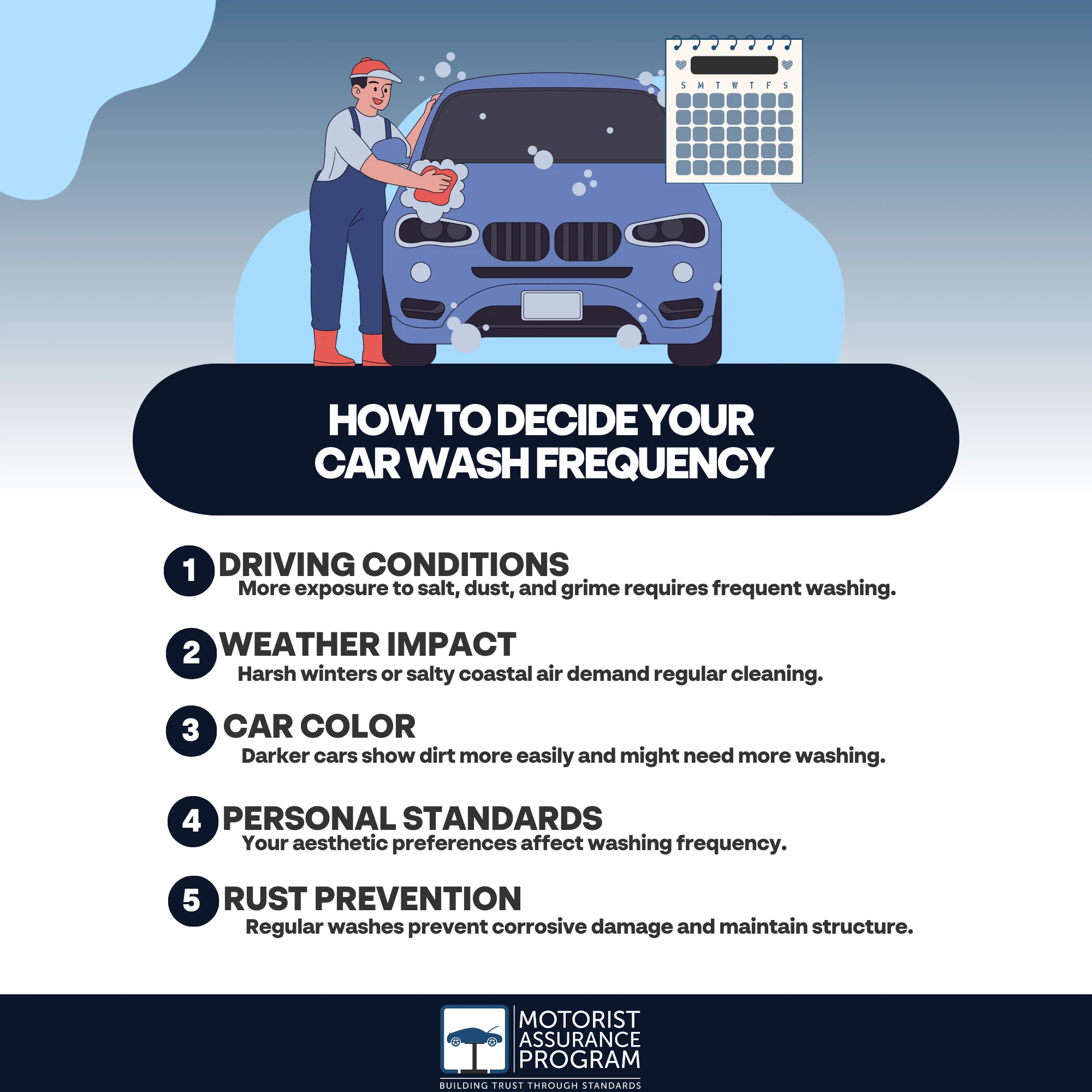
Image Source: motorist.org
Why Regular Car Washing Matters
A clean car is a happy car, and a happy car is one that lasts longer and looks better. Let’s break down the core reasons why a regular washing routine is so important:
Protecting Your Investment
Your car is likely one of the biggest purchases you’ll make. Regular washing acts as a protective barrier against the elements and environmental contaminants that can damage your car’s exterior. This proactive approach helps maintain its resale value.
Preserving Paintwork
The paint on your car is more than just a color; it’s a multi-layered protective coating. This coating shields the metal body from corrosion. When dirt, chemicals, and UV rays sit on the paint for too long, they can break down this protective layer.
Preventing Rust and Corrosion
Road salt, especially in winter climates, is a major culprit for rust. Even everyday dirt can contain corrosive elements. Washing your car frequently removes these damaging substances before they have a chance to seep into the paint and metal.
Enhancing Visibility
Clean windows and mirrors are essential for safe driving. Grime, dust, and streaks can significantly impair your vision, especially at night or in poor weather conditions.
Maintaining Aesthetics
Let’s be honest, a clean car just looks good. It reflects pride of ownership and can make driving a more enjoyable experience.
Factors Affecting Car Washing Frequency
The “every two to four weeks” rule is a guideline, not a hard and fast law. Several factors will influence how often you should be washing your car.
Driving Environment
- Urban vs. Rural: City driving often exposes your car to more pollutants, brake dust, and general grime. Rural driving might mean more exposure to dust, mud, and agricultural sprays.
- Coastal Areas: Salt spray from the ocean is highly corrosive. Cars in coastal regions need more frequent washing to combat this.
- Industrial Zones: Proximity to factories can mean exposure to airborne chemicals and soot that can be damaging to paint.
- Tree-Lined Streets: Bird droppings, tree sap, and falling leaves can quickly etch into your paint if not removed promptly.
Climate and Season
- Winter: Road salt, sand, and de-icing chemicals are harsh. Washing your car more frequently in winter, especially after snow or ice events, is critical.
- Summer: Intense sun can bake on dirt and contaminants. Bug splatter is also a common summer issue that needs quick removal.
- Rainy Seasons: While rain can wash off some surface dirt, it can also spread contaminants and leave water spots if not dried properly. Acid rain can also be a concern.
Vehicle Color
Lighter colored cars tend to show dirt more readily, making drivers more inclined to wash them more frequently. Darker colors, while showing dirt and swirl marks more easily, might not appear as dirty to the eye, potentially leading to less frequent washing, which isn’t ideal for paint protection.
Parking Habits
- Indoors vs. Outdoors: Cars parked in garages are protected from the elements, meaning they’ll stay cleaner for longer. Cars parked outside are constantly exposed to dust, pollen, sun, and more.
- Under Trees: As mentioned, this leads to sap, droppings, and leaf debris.
Driving Habits
- Off-Roading: If you frequently drive on unpaved roads, mud and dust will accumulate quickly and require more frequent washing.
- Frequent Highway Driving: While highway speeds can sometimes blow off loose dust, they also increase exposure to bug splatter and tar.
Establishing Your Car Wash Schedule
Let’s create a more personalized car wash schedule based on the factors above.
The “Ideal” Scenario
If your car is typically garaged, driven in a mild climate, and not exposed to harsh contaminants, washing every 2-4 weeks is generally sufficient.
When to Wash More Often
- After Exposure to Harsh Elements: Did you drive through a mud puddle? Encounter road salt? Park under a tree with heavy sap? Wash it ASAP.
- Seasonal Changes: Increase washing frequency during winter months and during peak bug season in summer.
- Long Trips: If you’ve been on a road trip, your car has likely collected a variety of grime. A wash afterwards is a good idea.
When You Might Get Away With Less (But Still Should Wash!)
If you live in a very dry, clean environment and only drive short distances, you might be able to stretch it to 4-6 weeks. However, remember that UV rays and airborne pollutants are still present.
How to Properly Wash Your Car
Knowing how often is one thing, but how you wash is just as important. Improper washing can cause more harm than good. Here’s a breakdown of how to properly wash car:
Gather Your Supplies
Using the right tools and products is essential for car cleaning tips.
- Two Buckets: One for soapy water, one for rinsing your wash mitt. This prevents dirt from being re-introduced to your paint.
- pH-Neutral Car Wash Soap: Avoid dish soap, as it can strip protective wax layers.
- Microfiber Wash Mitt: Soft and absorbent, less likely to scratch than sponges.
- Drying Towels: High-quality, plush microfiber drying towels are best for absorbing water without scratching.
- Wheel Cleaner and Brush: Wheels often have stubborn brake dust.
- Hose with a Spray Nozzle: For rinsing.
- Optional: Bug and tar remover, detail spray, tire dressing.
The Washing Process: Step-by-Step
- Pre-Rinse: Thoroughly rinse the entire car with water to remove loose dirt and debris. This is a critical step to minimize scratching during the washing phase.
- Wheels First: Wheels are usually the dirtiest part. Wash them first using a dedicated wheel cleaner and brush. Rinse them thoroughly.
- Wash in Sections: Work from top to bottom. Dip your wash mitt into the soapy water, wash a small section of the car (e.g., half the roof), then rinse the mitt in the rinse bucket.
- Rinse the Mitt Regularly: This is the core principle of the two-bucket method. Never put a dirty mitt back into the clean soapy water.
- Rinse Frequently: Rinse each section of the car after washing it to prevent soap from drying on the paint.
- Rinse the Entire Car: Once you’ve washed the whole vehicle, give it a final, thorough rinse from top to bottom.
- Drying: This is another crucial step for protecting car paint. Use clean microfiber drying towels. Blot or gently wipe the water away. Avoid rubbing vigorously. Ensure you get into crevices where water can hide and drip later.
Maintaining Your Car Wash: Beyond the Wash
A clean car isn’t just about the wash itself; it’s about ongoing maintenance. This is where how to maintain car wash comes into play.
Waxing: The Protective Layer
Wax provides a sacrificial layer of protection over your clear coat. It helps repel water, dirt, and UV rays, and gives the paint a glossy shine.
How Often to Wax Car?
The general recommendation for how often to wax car is every 3-6 months. However, this also depends on:
- Type of Wax: Synthetic sealants generally last longer than natural carnauba waxes.
- Environmental Exposure: A car parked outside in harsh conditions will lose its wax protection faster than a garaged vehicle.
- Washing Frequency: Harsh washing methods can strip wax more quickly.
Signs your wax needs reapplying:
- Water no longer beads up on the paint surface; it sheets off.
- The paint feels rough or dull to the touch.
Ceramic Coatings and Sealants
For longer-lasting protection, consider ceramic coatings or paint sealants. These offer more durable protection than traditional waxes and can last from several months to several years, depending on the product and maintenance.
Interior Cleaning
Don’t forget the inside! Regularly vacuuming, wiping down surfaces, and cleaning windows contribute to the overall care and longevity of your vehicle.
Tire Care
Clean and dress your tires. This not only makes them look good but can also help prevent cracking and drying of the rubber.
Advanced Car Cleaning Tips and Tricks
Elevate your car cleaning tips for a superior finish and protection.
Bug and Tar Removal
These are best tackled quickly. Use a dedicated bug and tar remover and a soft microfiber cloth. Apply the remover, let it dwell briefly, then gently wipe.
Clay Bar Treatment
For deeply embedded contaminants that washing alone won’t remove, a clay bar treatment can be beneficial. This process physically lifts contaminants from the paint surface, leaving it incredibly smooth. It’s typically done before waxing or sealing.
Headlight Restoration
Oxidized headlights can dim your beams and make your car look older. Kits are available for restoring cloudy headlights.
Glass Cleaning
Use a dedicated automotive glass cleaner and two microfiber towels: one for cleaning, one for buffing to a streak-free finish.
Common Mistakes to Avoid
Being aware of common pitfalls will further aid in protecting car paint and maintaining your vehicle.
- Washing in Direct Sunlight: Soap and water can dry too quickly, leaving spots and streaks.
- Using Household Cleaners: These can be too harsh for automotive paint.
- Using Old, Dirty Sponges or Rags: These can harbor grit and cause scratches.
- Skipping the Pre-Rinse: This is a recipe for swirl marks.
- Not Drying Properly: Water spots can etch into the paint if left to dry naturally.
- Automatic Car Washes with Brushes: While convenient, the brushes can cause fine scratches (swirl marks) on your paint. Touchless washes are a better alternative if you must use an automatic wash.
Frequently Asked Questions (FAQ)
Here are some common questions about car washing:
Q1: Can I wash my car in freezing temperatures?
A1: It’s generally not recommended to wash your car when temperatures are consistently below freezing, as water can freeze in door locks, windows, and on the paint, potentially causing damage. If you must wash in cold weather, do so in a heated garage or car wash, and ensure you dry the vehicle thoroughly, paying attention to seals and locks.
Q2: Is it okay to use dish soap to wash my car?
A2: No, it’s strongly advised against using dish soap. Dish soap is designed to strip grease and oil, and it will also strip away the protective wax or sealant from your car’s paint, leaving it vulnerable to damage. Always use a pH-neutral car wash soap.
Q3: How do I get rid of water spots?
A3: Water spots are mineral deposits left behind when water evaporates. If they’re fresh, a quick detailer spray and microfiber towel might remove them. For tougher spots, a clay bar treatment or a polishing compound may be necessary. Proper drying after washing is the best way to prevent them.
Q4: What’s the difference between a wash and a detail?
A4: A wash is a basic cleaning of the exterior, usually just soap and water. A detail is a more thorough process that includes washing, drying, waxing, interior cleaning, tire dressing, and often more intensive treatments like clay barring or polishing to restore the vehicle’s appearance and protection.
Q5: How can I protect my car paint from bird droppings?
A5: Bird droppings are highly acidic and can etch into your paint quickly. If you notice them, try to wipe them off as soon as possible with a damp microfiber cloth or a quick detailer spray. If they have hardened, use a dedicated bug and tar remover or a clay bar to lift them safely. Applying a wax or sealant regularly will offer some protection.
By following these guidelines, you can establish an effective car wash schedule, master how to properly wash car, and implement the best car cleaning tips to ensure your vehicle’s exterior remains in top condition, preserving its paint and value for years to come. Remember, consistent car washing frequency is the cornerstone of good car exterior care and excellent protecting car paint.