
The paint drying time for car paint can vary significantly, typically ranging from a few hours to several days for initial hardening, with full car paint curing taking weeks or even months. Factors like paint type, temperature, humidity, and application thickness all play a role.
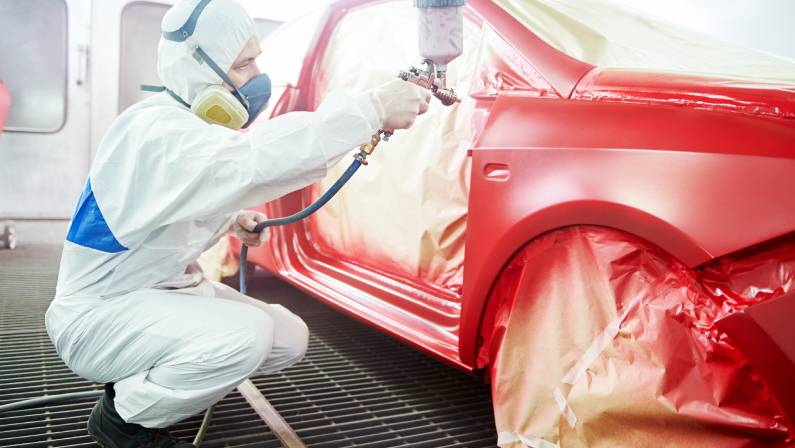
Image Source: status-automotive.com
Factors Influencing Automotive Paint Drying
Getting that perfect automotive finish is a rewarding experience, but it hinges on patience. Understanding how long your car paint needs to dry is crucial for achieving a durable and glossy result. It’s not just about waiting for the surface to feel dry to the touch; true hardening and curing are complex processes that require specific conditions.
The Science Behind Paint Drying
Automotive paints aren’t like the paints you might use on your walls. They are sophisticated chemical formulations designed for extreme durability and aesthetic appeal. The drying process isn’t simply evaporation. It involves a series of physical and chemical changes.
Paint Drying Stages
Automotive paints go through distinct paint drying stages. Each stage has specific requirements and limitations regarding handling and further application.
- Flash-Off: This is the initial stage where solvents begin to evaporate from the paint. The surface starts to feel tacky.
- Leveling: As more solvent evaporates, the paint film begins to level out, smoothing any brush or spray marks. The paint becomes less fluid.
- Touch Dry: At this point, the surface is dry enough to be lightly touched without leaving a significant impression or smudging. However, the paint is still soft underneath.
- Hard Dry: The paint has significantly hardened and can withstand minor pressure without deformation.
- Through Dry: Solvent evaporation has reached the lower layers of the paint film, leading to increased hardness and durability throughout.
- Curing: This is the final stage where chemical reactions (like cross-linking in 2K paints) are completed. The paint reaches its maximum hardness, chemical resistance, and durability. This can take weeks or months.
Types of Automotive Paint and Their Drying Times
Different types of automotive paints have different chemical compositions, which directly impact their paint drying time.
Single-Stage Paints
These paints contain pigment, binder, and solvent all in one. They dry through solvent evaporation.
- Drying Time: Typically touch dry within 30-60 minutes. Hard dry can take 6-12 hours. Full curing can take several weeks.
- Recoat Window: You can usually recoat single-stage paints within 30 minutes to 12 hours, depending on the specific product and drying conditions.
Basecoat/Clearcoat Systems
This is the most common modern automotive paint system. The basecoat provides the color, and the clearcoat provides gloss, protection, and depth.
- Basecoat Drying Time: Basecoats are designed to flash off solvents quickly to prevent runs and sags, allowing for multiple coats. They are typically touch dry within 10-20 minutes.
- Clearcoat Drying Time: Clearcoats often have a longer drying time than basecoats due to their thicker application and different resin systems. They can be touch dry in 1-3 hours and hard dry in 12-24 hours. Full curing can take 30 days or more.
- Recoat Window: The paint recoat window for basecoat is typically very short (15-30 minutes). For clearcoat, it’s usually 2-12 hours. Applying clearcoat over a basecoat that hasn’t flashed off sufficiently can lead to adhesion issues and a poor finish.
Waterborne Paints
These paints use water as the primary solvent. They are more environmentally friendly but can have different drying characteristics.
- Drying Time: Waterborne basecoats often require baking to achieve proper drying and adhesion before clearcoat application. They might be touch dry in 15-30 minutes under proper conditions, but often need a flash-off period followed by baking.
- Clearcoat Drying Time: Similar to solvent-borne clearcoats, with touch dry in a few hours and full cure taking weeks.
Lacquers (Less Common Now)
Older vehicles or custom applications might still use lacquer paints.
- Drying Time: Lacquers dry purely by solvent evaporation. They can be touch dry very quickly, often within minutes. However, they remain relatively soft and can be reactivated by further solvent exposure, making recoating tricky. Full hardness develops over time.
Factors Affecting Paint Drying
Several environmental and application factors significantly influence how quickly automotive paint dries and cures.
Temperature
Temperature is a critical factor. Higher temperatures generally accelerate solvent evaporation and chemical curing reactions.
- Ideal Range: Most automotive paints perform best within a temperature range of 65-80°F (18-27°C).
- Too Cold: Cold temperatures significantly slow down solvent evaporation and curing. The paint can remain tacky for extended periods, increasing the risk of imperfections.
- Too Hot: Very high temperatures can cause solvents to evaporate too quickly, leading to poor leveling, blistering, or a dull finish.
Humidity
Humidity affects the rate of solvent evaporation, especially for waterborne paints.
- High Humidity: High humidity slows down the evaporation of both water and solvents. This can lead to longer drying times and potential issues like blushing (a milky appearance caused by moisture trapped in the paint film).
- Low Humidity: Very low humidity can cause solvents to evaporate too quickly, similar to high temperatures, potentially leading to poor leveling.
Airflow
Good airflow is essential for carrying away evaporated solvents.
- Ventilation: Proper ventilation helps speed up the drying process by continuously removing solvent vapors from the surface.
- Still Air: Stagnant air can trap solvent vapors, slowing down evaporation and increasing the risk of solvent-related defects.
Paint Thickness
The thickness of each applied layer directly impacts drying time.
- Thicker Coats: Thicker coats contain more solvent and take longer to evaporate and cure. Applying multiple thin coats is generally better than one thick coat.
- Film Build: The total film build of the paint job will also influence the overall drying and curing process.
Application Method
How the paint is applied can also play a role.
- Spray Gun Settings: Proper spray gun settings (air pressure, fluid tip, fan pattern) ensure an even application, which aids in consistent drying.
- Spray Gun Distance: Applying paint too close can result in thick, slow-drying coats, while applying too far can lead to overspray and poor adhesion.
How Long Does It Take To Bake Car Paint?
Baking car paint, often referred to as infrared curing or oven baking, is a method used to significantly speed up the drying and curing process. This is commonly done in professional auto body shops.
- Purpose of Baking: Baking provides controlled, elevated temperatures that accelerate solvent evaporation and the cross-linking reactions in the paint’s resin system.
- How Long to Bake Car Paint: The time required for baking depends heavily on the paint type and the temperature used.
- Infrared Curing: Spot repairs or smaller areas might be cured with infrared lamps for 15-30 minutes at a controlled temperature.
- Bake Ovens: For a full vehicle, the baking time can range from 20-60 minutes at temperatures typically between 140-180°F (60-82°C). It’s crucial to follow the paint manufacturer’s specific instructions regarding bake cycles.
- Caution: Improper baking (too hot, too long, or uneven heating) can damage the paint, causing blistering, delamination, or a brittle finish.
Spray Paint Drying Time vs. Brush-On Touch-Up Paint
While the underlying principles of drying are similar, the practical application and expected spray paint drying time versus touch up paint drying can differ.
- Spray Paint: Applied as a fine mist, allowing for good atomization and relatively quick solvent release. This often leads to faster touch-dry times compared to thicker brush applications.
- Touch Up Paint: Often applied with a small brush or pen. It’s applied in much smaller quantities, which can influence drying. However, the thicker localized application might mean it takes longer for the entire layer to harden, especially if the surrounding paint is still soft.
Clear Coat Drying Time: The Final Layer
The clearcoat is the protective and aesthetic top layer. Its drying and curing are vital for the longevity of the paint job.
- Touch Dry: Typically 1-3 hours.
- Hard Dry: 12-24 hours.
- Recoat Window: Crucial for applying subsequent coats of clear or for polishing. This is usually between 2-12 hours. If you miss this window, you might need to scuff the surface before applying more clearcoat to ensure adhesion.
- Full Cure: Can take anywhere from 30 days to 90 days, or even longer in some cases. During this period, the paint is still hardening and reaching its maximum resistance to chemicals, scratches, and UV damage.
Paint Hardening Time: Beyond Touch Dry
Paint hardening time refers to the period when the paint transitions from being merely touch dry to being sufficiently hard to resist minor impacts and handling.
- Factors: This stage is heavily influenced by temperature, humidity, and the specific paint chemistry.
- Practical Implications: While touch dry means you can gently handle the surface, paint hardening time indicates when you can begin light buffing or waxing, though full gloss polishing is usually reserved for after the paint is fully cured.
Considerations for Touch-Up Paint
When using touch up paint, the drying process is somewhat different due to the small scale of application.
- Small Volume: A tiny dab of touch-up paint can dry surprisingly quickly on the surface.
- Substrate: The material you are touching up (e.g., metal, plastic) and its temperature can affect drying.
- Layering: If multiple thin layers are needed for a deep chip, allow adequate flash-off and drying time between each application.
- Curing: Even small amounts of touch-up paint need time to cure fully for maximum durability.
The Paint Recoat Window: When to Apply the Next Layer
The paint recoat window is the critical timeframe within which you can apply subsequent coats of paint (basecoat, clearcoat, or subsequent layers of the same type) to ensure proper adhesion and a seamless finish.
- Importance: Applying a new coat too soon can cause the underlying layer to soften or “lift,” leading to defects. Applying too late can result in poor adhesion, as the surface may become too hard or contaminated.
- Typical Windows:
- Basecoat to Basecoat: 15-30 minutes.
- Basecoat to Clearcoat: 30 minutes to 12 hours (depending on manufacturer recommendation).
- Clearcoat to Clearcoat: 2-12 hours.
- Single-Stage: 30 minutes to 12 hours.
- Manufacturer Data Sheets: Always consult the paint manufacturer’s technical data sheet for the specific recoat windows for their products.
Protecting Your Freshly Painted Car
Once your car is painted, protecting it during the drying and curing phases is paramount.
What to Avoid
- Direct Sunlight: While sunlight can help cure paint, direct, intense sunlight, especially during the early stages, can cause uneven drying and potential damage.
- Rain and Moisture: Absolutely essential to keep the painted surface dry until it is fully cured.
- Touching or Handling: Avoid touching the paint as much as possible during the initial drying stages.
- Waxing or Polishing: Do not wax or polish until the paint is fully cured. Doing so too early can trap solvents or damage the delicate paint film.
- Car Washes: Avoid washing the car until the paint has reached at least a hard dry stage, and preferably after it has cured for a week or two.
Optimal Drying Conditions
- Clean Environment: Paint in a clean, dust-free environment.
- Controlled Temperature and Humidity: Aim for moderate temperatures and humidity.
- Good Airflow: Ensure adequate ventilation without creating dust.
Frequently Asked Questions (FAQ)
Q1: How long does automotive spray paint take to dry?
A: Automotive spray paint, like basecoats, is often touch dry within 10-20 minutes. Clearcoats take longer, usually 1-3 hours to be touch dry. Full hardening takes significantly longer.
Q2: Can I speed up car paint drying with a hairdryer?
A: While a hairdryer might help with very small touch-up areas, using it on larger panels can lead to uneven drying, solvent popping, or a dull finish due to rapid surface drying. Professional heat lamps or baking ovens are designed for controlled drying.
Q3: How long after painting can I wax my car?
A: It’s generally recommended to wait at least 30 days, and often up to 60-90 days, for the paint to fully cure before applying wax or a sealant. Consult your paint manufacturer’s recommendations.
Q4: What happens if I apply paint too soon after the previous coat?
A: Applying paint over a layer that hasn’t sufficiently flashed off or dried can cause the solvents in the new coat to attack the underlying layer. This can lead to lifting, wrinkling, adhesion failure, and a compromised finish.
Q5: Is touch-up paint different from regular car paint regarding drying time?
A: Touch-up paint is formulated for small applications. While the surface may appear dry quickly, the curing process is still essential for durability. It’s often applied in thinner layers with a brush, which can affect the overall hardening time compared to sprayed paint.
Q6: How long does it take for car paint to fully cure?
A: Full car paint curing can take anywhere from 30 days to 90 days, or even longer, depending on the paint type, thickness, and environmental conditions. This is when the paint reaches its maximum hardness and resistance.
Q7: Can I drive my car immediately after painting?
A: No, you should not drive your car immediately after painting. Allow at least 24-48 hours for the paint to reach a hard dry stage before driving. Avoid harsh conditions, dust, and debris for the first few weeks.
Q8: What is the difference between paint drying and paint curing?
A: Paint drying primarily refers to the evaporation of solvents, making the surface touch dry. Paint curing involves further chemical reactions within the paint film, leading to increased hardness, durability, and resistance. Curing takes much longer than drying.
Q9: How long should I wait before polishing freshly painted car paint?
A: Polishing too soon can be detrimental. Wait until the paint has at least reached a hard dry stage, and ideally, wait for a period of weeks (following manufacturer guidelines) before attempting any aggressive polishing or compounding to avoid damaging the developing paint film.
Q10: Is there a difference in drying time between solvent-based and water-based car paints?
A: Yes, water-based paints can have different drying characteristics, often requiring specific flash-off and drying procedures, sometimes involving controlled heat or baking, to properly evaporate the water and allow the resin binders to coalesce effectively. Solvent-based paints rely primarily on solvent evaporation.
By paying close attention to paint drying time, respecting the different paint drying stages, and adhering to recommended paint recoat windows, you can ensure your automotive paint job achieves the beautiful, durable finish it’s designed for.