
Yes, you can wash your car in cold weather, but it requires careful planning and specific techniques to avoid damage and ensure a successful winter car wash. Ignoring the cold can lead to frozen doors, locks, and even cracked paint. This guide will walk you through everything you need to know about cold weather car cleaning, from preparation to the best techniques for washing car below freezing.
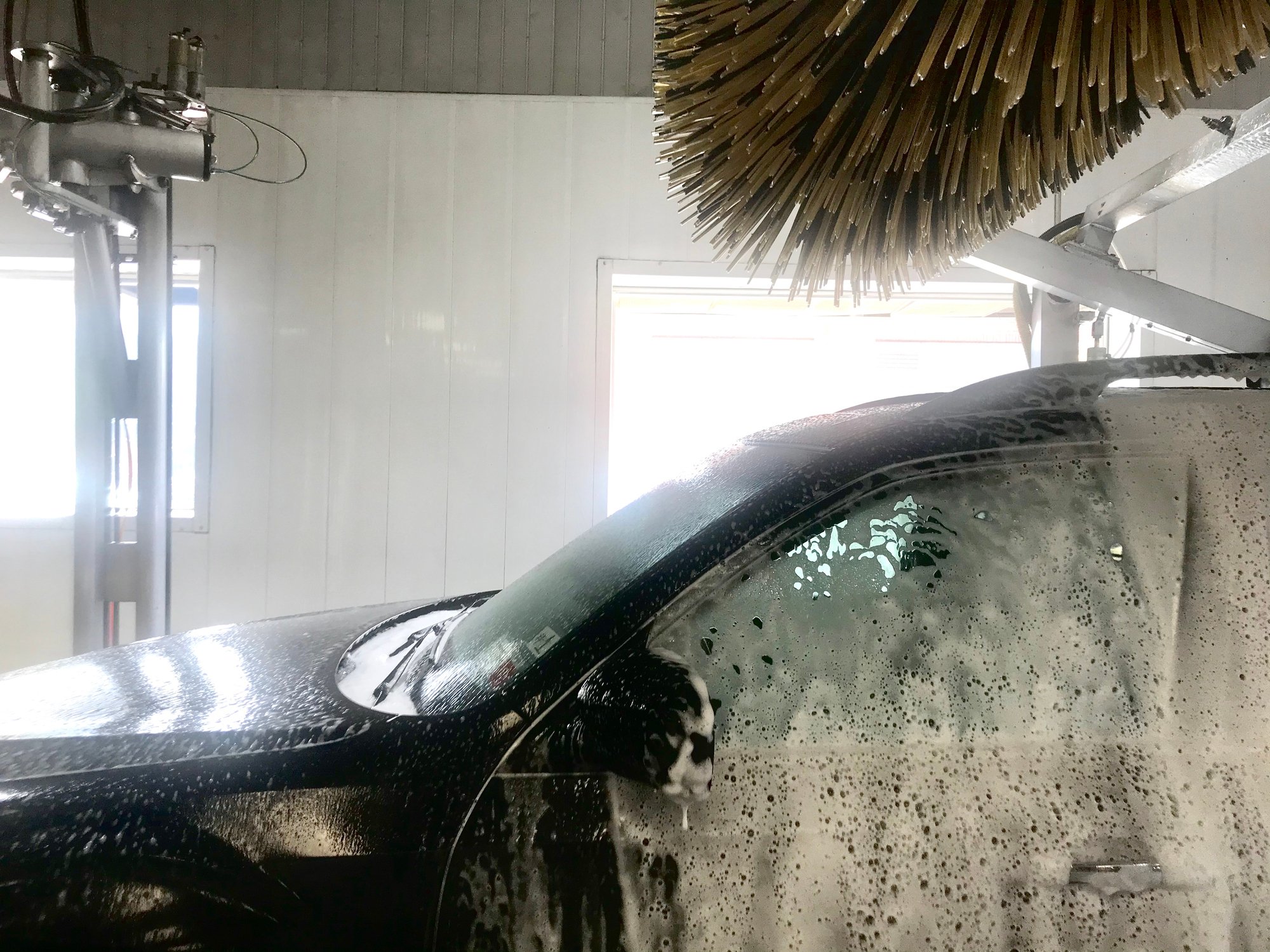
Image Source: www.thesilverlining.com
The Challenges of Winter Car Care
Winter weather brings unique challenges for car owners. Salt, sand, and grime accumulate on your vehicle’s surface, not only making it look unsightly but also contributing to corrosion and paint damage. While a regular car wash is often the solution, the freezing temperatures of winter make this task more complicated. Understanding these challenges is the first step to effective winter car detailing.
Why Winter Washing is Crucial
- Salt and De-icing Agents: Roads are treated with salt and other chemicals to melt ice and snow. These substances are highly corrosive and can eat away at your car’s paint, undercarriage, and metal components. Regular washing removes these harmful elements before they can cause significant damage.
- Grime and Road Film: Winter weather often means more mud, dirt, and road film. This accumulation can obscure your vision, clog drainage points, and trap moisture, leading to rust.
- Preventing Corrosion: The constant exposure to moisture, salt, and dirt creates a perfect environment for rust and corrosion to form. A clean car is a protected car.
The Risks of Improper Cold Weather Washing
Attempting a winter car wash without the right precautions can lead to several problems:
- Frozen Components: Water left in door locks, window seals, or even on the car’s exterior can freeze, preventing doors from opening or windows from rolling.
- Paint Damage: Rapid temperature changes and freezing water can cause micro-cracks in the paint. Using overly hot water on a cold car can also shock the paint.
- Frozen Washer Fluid: If your windshield washer fluid is not rated for cold temperatures, it can freeze, rendering your windshield wipers useless in critical situations.
- Damaged Seals: Freezing and thawing cycles can degrade rubber seals around doors and windows.
Preparing for Your Winter Car Wash
Proper preparation is key to a successful cold weather car cleaning. This involves gathering the right supplies and choosing the optimal conditions.
What You’ll Need for a Winter Car Wash
Having the right equipment makes a significant difference when washing car in snow or freezing temps car wash.
- Bucket(s): Use at least two buckets – one for soapy water and one for rinsing your wash mitt. This prevents you from spreading dirt back onto the car.
- Quality Car Wash Soap: Choose a pH-neutral car wash soap that is specifically designed for automotive use. Avoid dish soap, as it can strip wax and protective coatings.
- Wash Mitts: Microfiber or lamb’s wool wash mitts are gentle on paint and effectively lift dirt.
- Drying Towels: High-quality microfiber drying towels are essential to absorb water quickly and prevent water spots.
- Wheel Cleaner: A dedicated wheel cleaner will help tackle brake dust and road grime.
- All-Purpose Cleaner (APC): Useful for cleaning tires and trim.
- Detailing Brushes: For agitating dirt in tight areas like wheel wells and emblems.
- Hose with Adjustable Nozzle: Allows for precise control of water flow.
- Car Wash Antifreeze (Optional but Recommended): Some specialized products can be added to your rinse water to help prevent freezing.
Choosing the Right Time and Location
The best way to wash car in winter involves strategic timing and location.
- Ideal Temperature: Aim for a day when the temperature is at or slightly above freezing (above 32°F or 0°C). This significantly reduces the risk of freezing.
- Midday Sun: Washing your car during the warmest part of the day, typically midday, allows the sun to help dry the vehicle and reduce the chance of ice forming.
- Avoid Direct Sunlight: While the sun helps, washing in direct, hot sunlight can cause soap and water to dry too quickly, leaving water spots. Overcast but mild days are often ideal.
- Protected Locations: If possible, wash your car in a sheltered area, like a garage or a car wash bay. This provides a buffer against wind and further temperature drops.
The Step-by-Step Guide to Winter Car Washing
Now that you’re prepared, let’s break down the process for washing car below freezing or in cooler temperatures.
Step 1: Pre-Rinse
Before you even touch the car with a wash mitt, a thorough pre-rinse is essential.
- Purpose: This removes loose dirt, salt, and grime, preventing them from being ground into the paint during the washing process.
- Technique: Use your hose to spray down the entire car, paying close attention to the wheel wells, rocker panels, and lower body areas where road salt and grime accumulate most.
Step 2: Wheels and Tires
Wheels often bear the brunt of winter road conditions and require special attention.
- Apply Wheel Cleaner: Spray a dedicated wheel cleaner onto one wheel at a time.
- Agitate: Use a wheel brush or detailing brush to agitate the cleaner, especially in lug nut areas and around brake calipers.
- Rinse: Thoroughly rinse the wheel and tire. Repeat for all wheels.
- Tire Dressing (Optional): Once dry, you can apply a tire dressing for a finished look and some protection.
Step 3: Washing the Body – The Two-Bucket Method
The two-bucket method is crucial for cold weather car cleaning to minimize scratching.
- Bucket 1 (Wash): Fill with clean water and your car wash soap.
- Bucket 2 (Rinse): Fill with clean, plain water.
- Wash Mitt Technique:
- Dip your wash mitt into the soapy water.
- Wash a section of the car using straight-line motions.
- Rinse the dirty wash mitt thoroughly in the plain water bucket.
- Return the mitt to the soapy water bucket and repeat for the next section.
- Work from Top to Bottom: Always start washing the roof and work your way down. This ensures that dirty water flows away from cleaner areas.
Step 4: Rinsing the Car
A thorough rinse is vital to remove all soap residue.
- Technique: Use your hose to rinse the car completely, again starting from the top and working down. Ensure no soap is left behind in crevices, door jambs, or window seals.
Step 5: Drying the Car – Crucial for Preventing Freezing
This is arguably the most critical step in car wash safety cold. Improper drying can lead to frozen doors and locks.
- Microfiber Drying Towels: Use large, plush microfiber drying towels. These absorb a lot of water and are gentle on the paint.
- Blot, Don’t Rub: Gently pat or blot the water from the surface. Avoid aggressive rubbing, which can still cause scratches.
- Door Jambs and Seals: Pay extra attention to door jambs, trunk seals, and window seals. Open the doors and wipe them dry thoroughly with a separate, clean microfiber towel. This is a key part of preventing water freezing car wash.
- Leaf Blower (Optional): For faster and more thorough drying, especially in crevices and around trim, a leaf blower can be very effective.
Step 6: Protecting the Paint
After washing and drying, applying a protective layer is a good idea.
- Quick Detailer or Spray Wax: A spray-on wax or quick detailer can add a layer of protection and enhance gloss.
- Wax or Sealant: If time and temperature permit, applying a traditional carnauba wax or synthetic sealant will offer more durable protection against the elements.
Advanced Tips for Winter Car Detailing
For those who want to go the extra mile with their winter car detailing, here are some advanced techniques.
Using Car Wash Antifreeze
When temperatures are consistently below freezing, even careful drying might not entirely prevent water from freezing in small crevices. This is where car wash antifreeze can be beneficial.
- How it Works: These products are typically diluted with water and added to your final rinse water or applied directly to seals and locks. They lower the freezing point of water, preventing ice formation.
- Application: Follow the product’s instructions carefully. Some are sprayed on, while others are added to rinse buckets.
Washing Car in Snow: Specific Considerations
Washing car in snow presents unique challenges, primarily the falling snow itself.
- Minimize Exposure: Try to wash your car quickly. The longer it’s exposed to falling snow, the more likely water is to freeze on contact.
- Use Warm (Not Hot) Water: While avoiding boiling water, using water that is warm to the touch (not hot) can help melt any existing frost or light snow accumulation before you begin washing.
- Focus on the Rinse: Ensure your final rinse is exceptionally thorough, and drying is meticulous.
Preventing Water Freezing in Key Areas
- Door Locks: Apply a silicone lubricant or a specific lock de-icer to prevent them from freezing.
- Door Seals: Apply a rubber protectant or silicone spray to the door seals. This creates a barrier that prevents water from freezing the doors shut.
- Windshield Wipers: Lift your wipers off the windshield before a snowfall or when temperatures drop significantly. This prevents them from freezing to the glass.
When to Avoid Washing Your Car
While this guide explains how to wash your car in cold weather, there are times when it’s best to hold off.
- Extremely Low Temperatures: If the temperature is significantly below freezing (e.g., below 20°F or -7°C), it’s generally best to avoid washing your car. The risk of freezing is too high, and the effectiveness of cleaning is reduced.
- Frozen Surfaces: Never attempt to wash a car that is already covered in thick ice. The rapid temperature change can damage the paint.
- High Winds: Strong winds can dry water too quickly, leading to water spots, and can also make the washing process more challenging and uncomfortable.
Frequently Asked Questions About Winter Car Washes
Q: Can I use a commercial automatic car wash in winter?
A: Yes, automatic car washes are generally safe in winter, as they are designed to handle these conditions. They often use recirculated warm water and have drying systems. However, always ensure the car wash is operational and check if they have any specific winter policies.
Q: What’s the best way to wash my car if I don’t have a heated garage?
A: If you don’t have a heated garage, your best bet is to wait for a milder day (above freezing). If you must wash it when it’s cold, ensure you have all your supplies ready, work quickly, and focus heavily on thorough drying, especially of door jambs and seals. Consider using a waterless car wash product or a rinseless wash if temperatures are very low but above freezing.
Q: How do I get my car door open if it’s frozen shut?
A: Never force a frozen door. Try to gently push on the door around the edges to break the ice seal. If that doesn’t work, you can try warming the keyhole with a lighter or hair dryer (be careful not to overheat the paint). A de-icer spray can also be applied to the seals.
Q: Is it bad for my car to sit dirty all winter?
A: Yes, it can be. The salt and grime from winter roads can cause significant corrosion and damage to your car’s paint and undercarriage if left untreated for extended periods. Regular washing is essential for protection.
Q: Should I use hot water to wash my car in winter?
A: It’s generally not recommended to use very hot or boiling water, as the extreme temperature difference can shock and potentially crack your car’s paint. Warm water that is comfortable to the touch is usually sufficient.
Conclusion: Keeping Your Car Clean and Protected
Washing your car in cold weather is not only possible but also essential for its long-term health and appearance. By following the steps outlined in this guide, utilizing the right equipment, and paying close attention to detail, you can effectively tackle cold weather car cleaning. Remember, a little extra effort in winter can save you from costly repairs and preserve your vehicle’s value. Prioritize thorough drying and protect those vulnerable areas to ensure your car stays in top condition, even through the harshest winter months.