
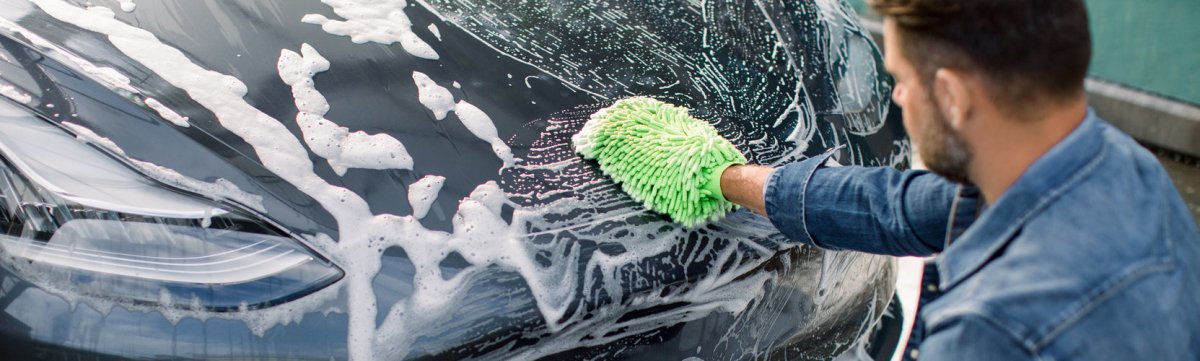
Image Source: ev-lectron.com
Can You Wash An Electric Car? Here’s How
Yes, you can absolutely wash an electric car, and it’s generally just as safe as washing a traditional gasoline-powered vehicle, provided you take a few sensible precautions. The primary concern for many EV owners revolves around the battery and its associated components, but modern electric vehicles are designed with robust sealing to protect these sensitive areas from water. This guide will walk you through the best practices for washing electric vehicles, from a simple soap and water EV wash to a more thorough automotive detail electric car experience, ensuring your EV exterior cleaning is effective and safe. We’ll cover charging port protection, address concerns about battery safety car wash, and explore electric car maintenance cleaning.
The Basics of EV Washing: What You Need to Know
Washing an electric car involves the same fundamental principles as cleaning any modern vehicle. The key difference lies in a heightened awareness of certain components. Unlike a car with an internal combustion engine, an EV’s powertrain is electric, relying on batteries, motors, and complex wiring. However, manufacturers engineer these systems to be highly water-resistant.
Understanding Water Resistance in EVs
Electric vehicles are built to withstand everyday weather conditions, including rain and splashes from puddles. The high-voltage battery pack, motors, and power electronics are housed in sealed enclosures. This sealing is crucial for preventing moisture ingress and ensuring the longevity and safety of the vehicle’s electrical systems. Think of it like the waterproofing on a smartphone – designed to handle accidental spills or brief submersion, not constant immersion without protection.
Common Misconceptions About Washing EVs
A frequent worry is whether washing an EV could lead to water damage electric car systems. This is largely unfounded when proper washing techniques are followed. Another concern is the charging port protection. While the port itself is designed to be safe even when exposed to moisture (many cars will prevent charging if the port is wet), it’s wise to avoid directing high-pressure water directly at it.
Preparing Your Electric Vehicle for a Wash
Just like with any car wash, preparation is key to a successful and safe cleaning.
Gathering Your Supplies
To get your EV sparkling clean, you’ll need a few essential items:
- Two Buckets: One for soapy water, one for rinsing your wash mitt. This prevents dirt from being reapplied to the car.
- pH-Neutral Car Wash Soap: Harsh detergents can damage paint and protective coatings.
- Microfiber Wash Mitts: Soft and absorbent, they are gentle on your car’s paintwork.
- Microfiber Drying Towels: These are highly absorbent and lint-free, ideal for drying.
- Wheel Cleaner and Brush: Specifically designed for automotive wheels.
- Hose with Adjustable Nozzle: For rinsing.
- Optional: Car detailing spray, tire dressing, glass cleaner.
Pre-Rinse for Optimal Cleaning
Before you even touch a wash mitt, give your electric car a thorough rinse. This helps to dislodge loose dirt, dust, and debris. By removing these particles first, you reduce the risk of scratching the paint during the washing process. Pay attention to wheel wells and lower body panels where dirt tends to accumulate.
The Washing Process: Step-by-Step for Your EV
Now, let’s get down to the actual washing. Following these steps ensures a safe and effective clean for your EV exterior cleaning.
The Two-Bucket Method
The two-bucket method is a cornerstone of safe car washing.
- Fill Bucket 1 with car wash soap and water.
- Fill Bucket 2 with clean rinse water.
- Dip your wash mitt into the soapy water.
- Wash a section of your car using gentle, linear motions.
- Rinse the wash mitt thoroughly in Bucket 2 before dipping it back into the soapy water. This keeps your wash water clean and minimizes the transfer of grit.
- Repeat this process for the entire vehicle.
Washing the Body Panels
Start from the top of the car and work your way down. This way, dirty water flows down onto unwashed sections, not onto already cleaned areas.
- Roof: Gently wash the roof.
- Windows and Pillars: Clean the glass and the black pillars between the windows.
- Hood and Trunk: Work on these flat surfaces.
- Doors and Fenders: Wash each door and fender section.
- Lower Panels: These areas tend to be dirtiest, so wash them last.
Cleaning Wheels and Tires
Wheels often accumulate the most brake dust and road grime.
- Apply Wheel Cleaner: Spray an appropriate wheel cleaner onto one wheel at a time. Let it sit for the time recommended by the manufacturer.
- Agitate: Use a soft wheel brush to gently scrub away dirt and brake dust. For intricate wheel designs, a smaller detail brush can be helpful.
- Rinse: Thoroughly rinse the wheel and tire.
- Repeat for all wheels.
The Charging Port: Essential Charging Port Protection
While generally safe, it’s good practice to be mindful of the charging port.
- Avoid Direct High Pressure: Do not blast high-pressure water directly into the charging port.
- Gentle Cleaning: If the port area needs cleaning, use a damp microfiber cloth.
- Drying: Ensure the charging port area is dry before plugging in a charger. Most EVs have sensors that will prevent charging if moisture is detected.
Drying Your Electric Car: Preventing Water Spots
Drying is a critical step to prevent water spots and maintain that showroom shine.
Using Microfiber Drying Towels
These towels are designed for maximum absorbency and softness.
- Blot or Gently Wipe: Lay a clean microfiber drying towel onto a section of the car and gently blot to absorb water. Alternatively, you can gently wipe the surface.
- Work in Sections: Cover the entire car, using multiple towels if necessary.
- Door Sills and Crevices: Don’t forget to dry the door sills, trunk edges, and any other areas where water can collect and drip later.
Air Drying vs. Towel Drying
While air drying is possible, it’s generally not recommended for preventing water spots, especially in hard water areas. Towel drying ensures a streak-free finish.
Advanced Cleaning and Detailing for Your EV
For those who want their electric vehicle to look its absolute best, a more detailed approach can be taken. This falls under automotive detail electric car services.
Clay Bar Treatment
If your car’s paint feels rough or contaminated with embedded grit, a clay bar treatment can remove these contaminants.
- Lubrication is Key: Always use a lubricant (like a quick detailer spray) with your clay bar.
- Gentle Passes: Glide the clay bar over the lubricated surface in straight lines.
- Fold and Knead: As the clay picks up dirt, fold and knead it to expose a clean surface.
Polishing and Waxing/Sealing
- Polishing: A machine polisher can remove minor scratches and swirl marks, restoring gloss.
- Waxing or Sealing: Applying a wax or paint sealant provides protection and enhances shine. Choose products specifically designed for automotive paint.
Interior Cleaning
Don’t forget the inside! Use specialized interior cleaners and microfiber cloths for dashboard, seats, and surfaces. Many EVs have interiors made from sustainable materials, so check your owner’s manual for specific cleaning recommendations.
What About High Pressure Washing EV?
While generally safe if done correctly, high pressure washing EV systems requires extra caution.
Risks of High Pressure Washing
- Seal Damage: Extremely high pressure directed at seals around doors, windows, or the battery enclosure could potentially compromise their integrity over time.
- Water Ingress: While unlikely with modern sealing, forcing water into sensitive areas is always a risk if not careful.
- Damage to Components: High pressure can damage delicate exterior trim pieces or sensors.
Safe High Pressure Washing Practices
If you opt for a pressure washer:
- Maintain Distance: Keep the nozzle at least 1-2 feet away from the car’s surface.
- Use a Wide Fan Spray: Avoid using a narrow, concentrated stream.
- Avoid Direct Spray on Sensitive Areas: Steer clear of door seals, window seals, and especially the charging port.
- Lower Pressure Settings: Use the lowest effective pressure setting.
Addressing Battery Safety Car Wash Concerns
The main concern regarding battery safety car wash is water ingress. Modern EVs are designed with robust battery management systems and robust sealing for their battery packs.
- Sealed Battery Enclosures: The battery itself is housed within a heavily protected, sealed casing.
- Waterproof Connectors and Wiring: All electrical connections and wiring are designed to be waterproof.
- Sensors: Many EVs have sensors that detect moisture in critical areas, which can trigger warnings or prevent operation if moisture is present.
In essence, a standard car wash, even a thorough one with a hose, is highly unlikely to cause water damage electric car systems if done responsibly. The most critical point is to treat the charging port with care.
Electric Car Maintenance Cleaning: Regular Care
Regular cleaning is part of good electric car maintenance cleaning. It not only keeps your car looking good but also helps spot any potential issues early.
- Regular Washes: Washing your EV every few weeks, or as needed based on driving conditions, is beneficial.
- Inspect Seals: Periodically check door, window, and trunk seals for any signs of damage or wear.
- Check Charging Port Area: Ensure the charging port and surrounding area remain clean and dry.
Can You Use an Automatic Electric Vehicle Car Wash?
Yes, most automatic electric vehicle car wash facilities are safe for EVs.
Types of Automatic Washes:
- Touchless Washes: These use high-pressure water and cleaning solutions without physical contact from brushes. They are generally considered the safest automatic option.
- Soft Cloth/Brush Washes: While generally safe, there’s a slightly higher risk of minor swirl marks if the brushes are not well-maintained. However, modern car washes use specialized soft cloths that are less abrasive than older brush systems.
What to Watch Out For:
- Self-Serve Bays: These are similar to automatic washes but give you more control over the spray. Use caution with the high-pressure wand around seals and the charging port.
- Tunnel Washes: Most EVs are safe to go through these. The systems are designed to handle various vehicle types.
Table: Safe vs. Risky Cleaning Practices for EVs
| Practice | Safety Level | Rationale |
|---|---|---|
| Two-Bucket Hand Wash | High | Minimizes swirl marks, allows control over water pressure. |
| Touchless Automatic Wash | High | No physical contact, low risk of scratching. |
| Soft Cloth/Brush Automatic Wash | Medium-High | Generally safe, but poorly maintained brushes can cause minor abrasions. |
| High-Pressure Washing (Close) | Low | Risk of damaging seals or forcing water into sensitive areas if not careful. |
| High-Pressure Washing (Distant) | Medium-High | Safer with distance and fan spray, but still avoid direct spray on seals and charging port. |
| Directing Water at Charger Port | Low | Can potentially damage the port or trigger moisture warnings. |
| Ignoring Charging Port Drying | Medium | Most EVs prevent charging if wet, but it’s best practice to dry for immediate use. |
| Using Harsh Chemicals | Low | Can damage paint, trim, and protective coatings on EVs. Always use pH-neutral car wash soap. |
| Electric Car Maintenance Cleaning | High | Regular cleaning prevents dirt build-up and potential corrosion, keeping the car in good condition. |
Frequently Asked Questions (FAQ)
Q1: Is it safe to wash my electric car in the rain?
A1: Yes, it is safe to wash your electric car in the rain. The vehicle is designed to withstand normal weather conditions, and this includes being washed. The key is to avoid prolonged exposure to water in critical areas like the charging port if you intend to charge soon after.
Q2: Can I use a pressure washer on my electric car?
A2: You can use a pressure washer, but with caution. Maintain a safe distance (at least 1-2 feet) and use a wide fan spray. Avoid directing high pressure directly at the charging port, door seals, and window seals.
Q3: What happens if water gets into the charging port?
A3: Most electric cars are equipped with sensors that detect moisture in the charging port. If moisture is detected, the car will typically prevent charging until the port is dry. This is a safety feature to prevent electrical issues.
Q4: Do I need to worry about washing the underside of my electric car?
A4: It’s a good idea to clean the underside periodically, especially if you drive in areas with salt or heavy road grime. However, avoid spraying directly at components like the battery pack or motor housing with high pressure. A gentle rinse is usually sufficient.
Q5: Are automatic car washes safe for electric cars?
A5: Yes, most automatic car washes are safe for electric cars. Touchless washes are the safest. If using a wash with brushes or cloths, ensure they are clean and well-maintained.
Q6: How often should I wash my electric car?
A6: The frequency depends on your driving conditions and environment. A good rule of thumb is every few weeks, or more often if your car is exposed to dirt, salt, mud, or bird droppings. Regular electric car maintenance cleaning is beneficial.
Q7: Can I use a regular car wash soap on my EV?
A7: Yes, as long as it’s a pH-neutral car wash soap. Avoid abrasive cleaners or harsh detergents that could damage the paint or protective coatings. A soap and water EV wash using the right products is ideal.
Q8: What is the best way to dry my electric car?
A8: The best way to dry your electric car is by using clean, high-quality microfiber drying towels. Blotting or gently wiping the surface will absorb water effectively and prevent water spots or scratches.
Q9: Should I protect the charging port during a wash?
A9: While the port is designed to be water-resistant, it’s best practice to avoid directing high-pressure water directly at it. Ensuring the area is dry before charging is also important for the longevity and safety of the charging connection. This is key for charging port protection.
Q10: What are the main differences in washing an EV compared to a gasoline car?
A10: The core washing process is the same. The primary difference is the heightened awareness and careful handling of the charging port and avoiding excessive water pressure on electrical component enclosures, though these are generally well-sealed. For EV exterior cleaning, the focus remains on protecting sensitive electrical components.
By following these guidelines, you can confidently keep your electric vehicle looking pristine while ensuring the safety and longevity of its advanced systems. Happy washing!