
Can you use marine gas in a car? The short answer is generally no, and it’s a risky proposition that can lead to significant engine damage and poor performance. While both marine and automotive gasoline are refined from crude oil, they have distinct formulations designed for specific operating environments and engine types, making direct substitution inadvisable.
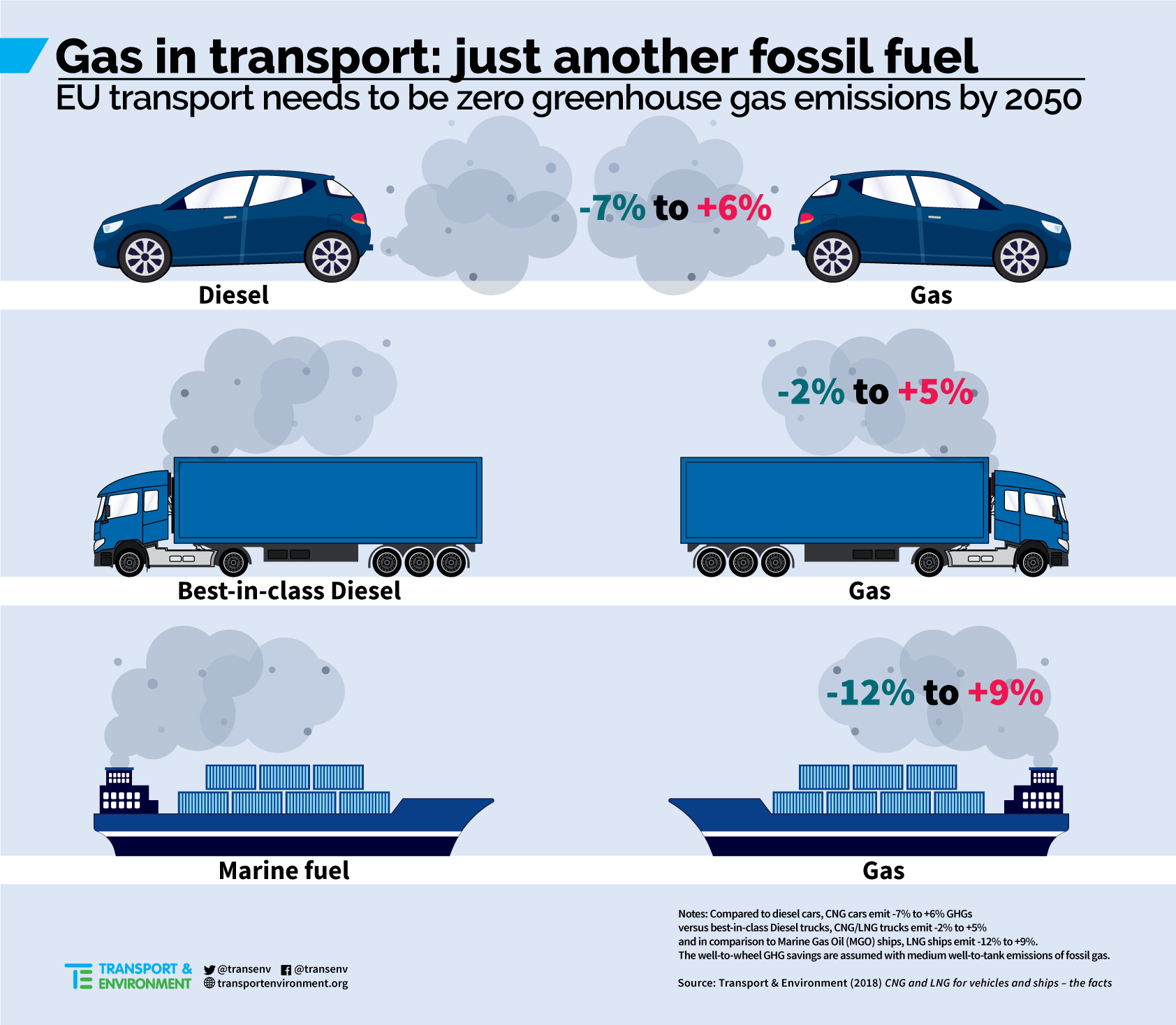
Image Source: www.transportenvironment.org
Why Marine Gas Differs from Regular Gasoline
Marine environments present unique challenges for fuel. Boats operate in a wet, often humid atmosphere, and their engines can be exposed to salt and corrosion. This leads to specific additives and formulations in marine gasoline that differ from what your car’s engine expects.
Fuel Additives: A Closer Look
Marine fuels often contain a higher concentration of fuel additives compared to regular automotive gasoline. These additives are typically designed to combat specific issues encountered in marine applications.
- Corrosion Inhibitors: These are crucial for protecting metal components in a boat’s engine and fuel system from the corrosive effects of saltwater and humidity. While beneficial for marine engines, they might not be necessary or even beneficial for your car’s engine.
- Stabilizers: Marine engines can sometimes sit idle for extended periods. Stabilizers help prevent fuel degradation, gum formation, and varnish buildup during storage. While useful for any stored fuel, the specific types and concentrations in marine fuel might interact differently with automotive fuel systems.
- Water Dispersants: Boats are prone to water contamination in their fuel tanks. Marine fuels often include additives that help disperse small amounts of water, allowing it to pass through the engine without causing major issues. Cars are generally less exposed to bulk water contamination, and these additives could potentially cause problems.
- Ethanol Protection: Many modern marine fuels are formulated to be compatible with higher blends of ethanol, such as E85 ethanol, or contain additives to mitigate the potential damage ethanol can cause to older or incompatible fuel system components. If the marine gas you are considering using has a higher ethanol content than your car is designed for, this is a major concern.
Gasoline Octane Rating: A Critical Factor
The gasoline octane rating is a measure of a fuel’s resistance to knocking or pinging, which is premature detonation of the fuel-air mixture in the engine cylinder. Different engines have different octane requirements.
- Marine Engine Octane Needs: Many marine engines, particularly those found in older or less performance-oriented boats, are designed to run on lower octane gasoline. This is often a cost-saving measure or a reflection of their less demanding engine designs.
- Automotive Engine Octane Needs: Modern cars, especially those with higher compression ratios or turbochargers, often require higher octane fuel to prevent knocking and achieve optimal engine performance. Using a lower octane fuel than recommended can lead to reduced power, increased fuel consumption, and potential engine damage over time.
- Marine Gas Octane Variability: While some high-performance boats might use premium gasoline, many are designed for regular unleaded. This means that the marine gas you might encounter could be a lower octane than what your car needs, or vice versa. Mismatched octane requirements are a significant risk.
The Risks of Using Marine Gas in Your Car
Putting marine gas into your car’s fuel tank is generally a bad idea. The differences in formulation, even if seemingly minor, can lead to a cascade of problems.
Engine Damage: A Real Possibility
The additives and formulation differences in marine gas can cause various types of engine damage.
- Fuel System Corrosion: While marine gas has corrosion inhibitors, they are designed for a marine environment. In a car’s fuel system, these additives might not be compatible with rubber seals, plastic components, or metal alloys, potentially leading to leaks or accelerated wear.
- Sensor Contamination: Modern cars rely on sensitive sensors (like oxygen sensors and fuel injectors) to monitor and control the combustion process. Fuel system contaminants or incompatible additives in marine gas can foul these sensors, leading to inaccurate readings, check engine lights, and poor engine operation.
- Catalytic Converter Issues: Certain additives present in marine fuel, especially if they are not designed for emissions control in road vehicles, could potentially foul or damage the catalytic converter. This is an expensive repair and can lead to failed emissions tests.
- Gum and Varnish Formation: While marine fuel often contains stabilizers, if the stored fuel has begun to degrade, the resulting gum and varnish can clog fuel filters, injectors, and carburetors (in older cars).
Poor Engine Performance
Even if immediate catastrophic damage doesn’t occur, you’re likely to experience a noticeable decline in engine performance.
- Reduced Power and Acceleration: If the marine gas has a lower gasoline octane rating than your car requires, the engine’s knock sensor will likely retard ignition timing to prevent knocking. This results in a noticeable loss of power and sluggish acceleration.
- Hesitation and Stalling: Incompatible fuel can disrupt the precise fuel-air mixture the engine needs for smooth operation. This can lead to hesitation when you press the accelerator, rough idling, and even stalling.
- Increased Fuel Consumption: When an engine isn’t running on the optimal fuel, it often becomes less efficient, leading to higher fuel consumption. This negates any perceived cost savings from using a different type of fuel.
- Check Engine Light: Modern cars are equipped with sophisticated diagnostic systems. Any anomaly in fuel delivery or combustion caused by the wrong fuel will likely trigger the “check engine” light, indicating a problem that needs attention.
Fuel Compatibility Issues
The primary concern is fuel compatibility. Every component in your car’s fuel system, from the fuel pump and lines to the injectors and seals, is designed to work with a specific type of fuel and its associated additives.
- Ethanol Concerns: If the marine gas contains a higher percentage of ethanol than your car is designed for, it can be disastrous. Ethanol is a solvent and can degrade certain types of rubber and plastic materials commonly used in older automotive fuel systems, leading to leaks and damage. While many modern cars are designed to handle blends like E10 or E15, using E85 ethanol in a car not specifically designed for it is highly problematic. Marine fuel formulations might not clearly indicate their ethanol content, adding another layer of risk.
- Material Degradation: The specific fuel additives in marine gasoline might not be compatible with the materials used in your car’s fuel tank, fuel lines, or seals. Over time, this incompatibility can cause these components to swell, crack, or deteriorate, leading to costly repairs.
Can You Use Marine Gas in a Car? The Verdict
The consensus among automotive experts and manufacturers is a resounding no. While there might be rare exceptions for specific vintage vehicles or under extreme emergency circumstances with careful consideration, it is overwhelmingly a practice to avoid.
The “What If” Scenarios
Let’s consider some hypothetical situations and their implications:
- Scenario 1: You accidentally put a small amount of marine gas in your car. If it’s a very small amount mixed with a full tank of regular gasoline, and your car is relatively modern and not overly sensitive, you might not notice immediate problems. However, the risk of long-term effects or subtle damage to sensors remains.
- Scenario 2: You have a car designed for higher octane and use low-octane marine gas. This is a recipe for reduced performance and potential engine damage from knocking. The engine will likely compensate by retarding timing, but this is not a sustainable solution.
- Scenario 3: The marine gas has a higher ethanol content than your car can handle. This is perhaps the most dangerous scenario, as ethanol can quickly degrade fuel system components made from incompatible materials, leading to leaks and potentially fire hazards.
The “Rewards” of Using Marine Gas (Spoiler: There Aren’t Many)
The idea of using marine gas in a car might be born out of a perceived cost saving or scarcity of regular fuel. However, the potential “rewards” are negligible compared to the substantial risks.
- Cost Savings (Illusionary): While marine gas might sometimes be priced similarly or even slightly cheaper in certain markets, the potential repair costs for engine damage far outweigh any minor savings.
- Availability (Limited): Marine gas is typically sold at marinas, not regular gas stations. The logistical hassle of obtaining it for automotive use is impractical and points to it not being a suitable alternative fuel for cars.
What About Octane Boosters?
Some might think of using an octane booster to compensate for lower octane marine gas. While octane booster products can raise the gasoline octane rating of fuel, they are not a foolproof solution.
- Limited Effectiveness: The effectiveness of octane boosters can vary, and they cannot magically transform a fuel that is fundamentally incompatible with your engine’s requirements.
- Additive Interactions: Adding an octane booster to a fuel mixture that already contains specialized marine fuel additives could lead to unpredictable chemical interactions and potentially worsen the problem. The engine is designed for a specific fuel mixture with a particular set of components, and introducing unknown variables is risky.
What if You Accidentally Used Marine Gas?
If you realize you’ve accidentally put marine gas in your car, don’t panic, but act quickly.
- Don’t Start the Engine (If Possible): If you haven’t started your car yet, the best course of action is to have it towed to a mechanic. They can drain the fuel tank and refill it with the correct gasoline.
- If You’ve Already Driven: If you’ve driven a short distance, try to drive to the nearest mechanic or a safe place. Avoid hard acceleration or putting the engine under strain. Once at the mechanic, explain what happened so they can assess the situation and drain the tank.
- Monitor for Symptoms: If you’ve driven a bit and can’t get it to a mechanic immediately, drive conservatively. Watch for any unusual symptoms like rough idling, hesitation, power loss, or the “check engine” light. If these appear, pull over safely and arrange for towing.
Alternatives to Using Marine Gas
If you’re looking for alternative fuels or ways to manage your fuel situation, there are much safer and more effective options.
- Proper Fuel Identification: Always ensure you are filling your car with the correct type and octane of gasoline as specified in your owner’s manual.
- Fuel Stabilizers for Storage: If you store gasoline for a car (e.g., for a classic car or generator), use a fuel stabilizer specifically designed for automotive gasoline.
- Higher Octane Fuels: If your car requires premium fuel, use it. Using an octane booster might be a temporary solution for specific circumstances, but consistently using the manufacturer-recommended octane is best.
- Researching Alternative Fuels: If you’re interested in alternative fuels, explore options like electric vehicles, hybrids, or vehicles designed to run on compressed natural gas (CNG) or propane. These are engineered solutions, unlike attempting to repurpose marine gas.
Deciphering the Fuel Label
It’s crucial to read fuel labels carefully. While “marine gasoline” might seem similar to regular gasoline, the differences are significant. Always double-check the octane rating and any specific warnings about additives or alcohol content.
Table: Key Differences Between Marine and Automotive Gasoline
| Feature | Marine Gasoline | Automotive Gasoline |
|---|---|---|
| Purpose | Boats and watercraft | Cars, trucks, and SUVs |
| Additives | Corrosion inhibitors, stabilizers, water dispersants | Detergents, anti-knock agents |
| Ethanol Content | Can vary, often designed for higher blends | Typically E10 or E15, specified by manufacturer |
| Octane Rating | Varies, often lower octane for general use | Varies (87, 89, 91, 93+), based on vehicle needs |
| Material Compatibility | Designed for marine fuel systems | Designed for automotive fuel systems |
| Environmental | Marine environment (salt, humidity) | Road environment |
| Risk in Cars | High risk of engine damage, performance issues | Designed for optimal performance and longevity |
Fathoming the Fuel Mixture Requirements
Your car’s engine is a complex piece of machinery that relies on a precise fuel mixture for optimal operation. This mixture involves the correct ratio of gasoline to air, as well as fuel that burns at a controlled rate without premature detonation. The components within the gasoline, including detergents, anti-knock agents, and other fuel additives, are all part of this intricate system.
Marine gasoline, with its different additive package and potentially varied gasoline octane rating, disrupts this carefully engineered balance. It’s akin to using a different type of oil in your car; even if it’s an oil, it might not have the right viscosity or additive package, leading to lubrication issues and potential engine damage.
Interpreting Engine Performance Data
When you fill your car with the wrong fuel, you might observe changes in how the engine behaves.
- Knocking or Pinging: This is a direct result of the fuel detonating prematurely. It sounds like a metallic tapping or rattling noise, usually heard during acceleration or when the engine is under load. This is the engine’s knock sensor working overtime to prevent severe damage.
- Hesitation and Misfires: If the fuel is not igniting properly or is causing components to function incorrectly, you might experience a rough idle, hesitation when accelerating, or even misfires where a cylinder fails to ignite the fuel-air mixture.
- Reduced Fuel Economy: As mentioned, an engine running on unsuitable fuel will likely be less efficient, burning more fuel to produce the same amount of power.
Frequently Asked Questions (FAQ)
Q1: Is marine gas the same as regular gasoline?
A1: No, marine gas is not the same as regular automotive gasoline. While both are refined from crude oil, marine gasoline contains different fuel additives and may have a different gasoline octane rating and ethanol content to suit the specific demands of boat engines and the marine environment.
Q2: Can I use marine gas in my car in an emergency?
A2: It is strongly advised against using marine gas in your car, even in an emergency. The potential for engine damage and performance issues outweighs any perceived benefit. If you have no other option and are in a dire situation, using a very small amount might be a last resort, but expect negative consequences and have your fuel system checked and drained by a professional as soon as possible.
Q3: What are the main risks of using marine gas in a car?
A3: The main risks include engine damage to fuel system components, sensors, and the catalytic converter; poor engine performance such as reduced power, hesitation, and stalling; and potential issues with fuel compatibility, especially concerning ethanol content and material degradation.
Q4: Will marine gas hurt my car’s engine?
A4: Yes, marine gas can very likely hurt your car’s engine. The specialized fuel additives and formulation differences can cause long-term wear and damage to components not designed to handle them.
Q5: Can I use marine gas if it has the same octane rating as my car needs?
A5: Even if the gasoline octane rating matches, the fuel additives in marine gas are still a significant concern. These additives might not be compatible with your car’s fuel system materials or could negatively impact sensor performance. Therefore, it’s still not recommended.
Q6: What should I do if I accidentally put marine gas in my car?
A6: If you haven’t started the car, do not start it. Have the fuel tank drained and refilled with the correct gasoline. If you’ve already driven, drive as little as possible to a mechanic to have the fuel system serviced.
Q7: Are there any benefits to using marine gas in a car?
A7: No, there are generally no benefits to using marine gas in a car. The potential perceived cost savings are insignificant compared to the high risk of costly engine damage and poor engine performance.
Q8: How is marine gas different from regular unleaded gasoline?
A8: Marine gas often contains more fuel additives like corrosion inhibitors and stabilizers, and its ethanol content can be higher or formulated differently than automotive gasoline. The fuel mixture is optimized for marine engines, not for the systems found in cars.
Q9: Can I use a higher octane marine gas if my car requires it?
A9: While using a higher octane might seem like a good idea, the underlying issue of different fuel additives and formulation still exists. It’s still not advisable. Stick to gasoline specifically designed and labeled for automotive use.
Q10: What are some safe alternative fuels for cars?
A10: Safe and readily available alternative fuels for cars include electricity (for EVs), compressed natural gas (CNG), propane, and higher blends of ethanol like E85 ethanol if the vehicle is specifically designed to run on them. Using standard automotive gasoline that meets your car’s octane requirements is the safest and most reliable option.