
Yes, you can put painter’s tape on a car safely, provided you use the correct type of tape and apply and remove it properly.
When you’re working on your car, whether it’s a DIY paint job, detailing, or even protecting a surface, the question of which tape to use often arises. Specifically, many people wonder if common painter’s tape is a safe option for their vehicle’s paintwork. The answer is a nuanced yes, but it hinges on several critical factors. Not all painter’s tape is created equal, and applying it incorrectly can lead to sticky residue, damaged paint, or even peeling clear coat. This guide aims to comprehensively cover the ins and outs of using painter’s tape on your car, ensuring you can protect your vehicle without causing unintended damage.
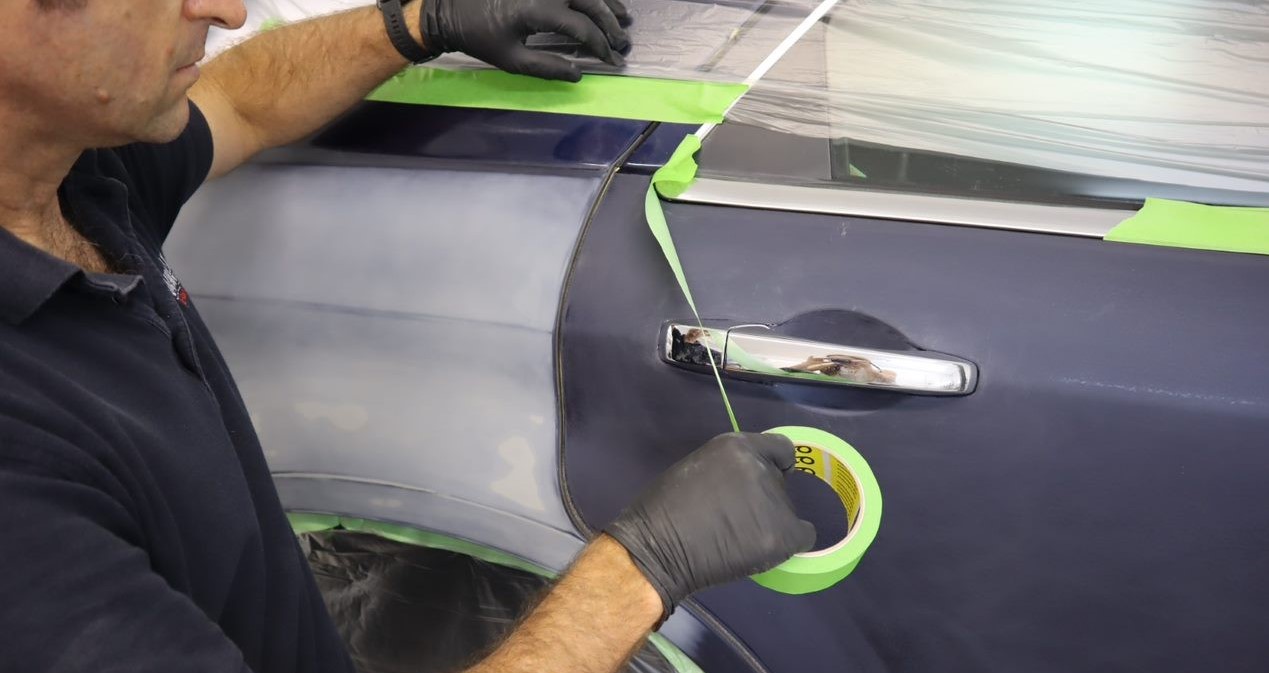
Image Source: www.q1tapes.com
Deciphering Automotive Masking Tape
The world of tapes for automotive applications is diverse. While generic “painter’s tape” might seem like an easy choice, specialized automotive masking tape or car painting tape is often formulated with specific adhesives and backing materials designed to interact safely with automotive finishes. These tapes are engineered to offer clean lines, resist bleed-through from paints and solvents, and, most importantly, remove cleanly without leaving residue or lifting paint.
Types of Tape for Car Work
- Automotive Masking Tape: This is specifically designed for use in the automotive industry. It’s formulated to withstand automotive paints, primers, and clear coats, as well as the solvents and heat associated with these processes. It generally offers good adhesion but is designed for clean removal.
- Car Painting Tape: Similar to automotive masking tape, this is intended for painting vehicles. It often comes in various widths and adhesion levels, catering to different paint types and surfaces.
- Delicate Surface Tape for Cars: If your car has a particularly sensitive finish, such as a matte paint or a very old, delicate clear coat, you might look for tape explicitly labeled for delicate surfaces. These often have a lower tack adhesive to minimize the risk of damage.
- General Painter’s Tape: This is what most people have around the house. While it can be used for certain tasks on a car, it’s generally less predictable than automotive-specific tapes. The adhesive can be too strong, leading to residue, or too weak, allowing paint to seep underneath.
Fathoming the Properties of Safe Tape for Car Paint
The key to safely taping your car lies in understanding the properties of the tape itself. A good safe tape for car paint will possess several characteristics:
Adhesive Strength
- Low Tack: For most automotive applications, especially on painted surfaces, a low-tack adhesive is preferred. This means the tape sticks well enough to hold in place and create a seal, but not so strongly that it pulls paint or leaves residue.
- UV Resistance: If your taping job will be exposed to sunlight, look for tape that is UV resistant. Standard painter’s tape can degrade in the sun, making it harder to remove and more likely to leave a sticky mess.
Backing Material
- Crepe Paper: This is common in painter’s tape. Its flexibility allows it to conform to curves, which is essential for masking car panels. However, some crepe paper tapes can absorb liquids, potentially leading to bleed-through.
- Vinyl or Polyethylene: These synthetic materials are often found in higher-quality automotive masking tape. They are less permeable, offering better resistance to solvents and paints, and tend to remove more cleanly.
Temperature Resistance
- Heat: Cars can get hot, especially in the sun or if you’re using heat lamps for paint drying. Some tapes can melt or degrade under heat, compromising their adhesion and removability. Automotive-specific tapes are usually designed to handle higher temperatures.
The Art of Masking Car Panels
Proper technique is just as important as the tape itself when it comes to masking car panels. Whether you’re painting a section, protecting trim, or detailing an area, follow these steps for the best results.
Preparation is Paramount
Before applying any tape, ensure the surface is clean and dry. Dust, dirt, grease, or wax can interfere with adhesion, causing the tape to lift or bleed.
- Clean the Surface: Wash and dry the area thoroughly. A degreaser might be necessary for oily residues.
- Inspect the Paint: If your car’s paint is old or has known issues (like peeling clear coat), be extra cautious. Delicate surfaces require the gentlest approach.
Applying the Tape
- Start with a Small Section: If you’re unsure about the tape’s performance on your car’s finish, test it on an inconspicuous area first.
- Apply Firmly but Not Aggressively: Press the tape down firmly to ensure it adheres well and creates a seal. Use your finger or a soft cloth. Avoid using sharp objects to press the tape down, as this could scratch the paint.
- Conform to Curves: Gently press the tape along any curves or body lines to prevent air bubbles or gaps.
- Overlap Strategically: When overlapping pieces of tape, ensure the overlap is smooth and doesn’t create a ridge where paint could collect.
- Use Multiple Layers for Sharp Lines: For very precise lines, especially when painting two-tone finishes, you might need to apply the tape, paint, remove the tape, let it flash dry, and then reapply tape slightly further in to create a second, crisper edge. This is a more advanced technique.
Using Automotive Trim Tape
When working around chrome, rubber, or plastic trim, specialized automotive trim tape can be beneficial. This tape is often designed to adhere to these materials without staining or damaging them. It’s also typically thinner and more flexible, allowing it to contour around intricate trim pieces.
- Protecting Chrome: Chrome trim can be susceptible to scratching. Use tape with a smooth backing and a gentle adhesive.
- Masking Rubber Seals: Rubber seals around windows and doors can be tricky. Use tape that has good adhesion to rubber but won’t leave sticky residue that attracts dirt.
- Detailing Around Badges: For meticulous detailing, auto detailing tape can be invaluable. This tape is often very thin and designed for extremely precise masking without disturbing delicate emblems or badges.
Removing Paint Tape from Car: The Crucial Step
Removing paint tape from car surfaces is often where problems occur. A slow, steady, and deliberate approach is vital.
Timing is Everything
- Remove While Paint is Still Slightly Wet: For most painting jobs, it’s best to remove the tape while the paint is still slightly wet (but not so wet that it smears). This helps create a cleaner break line and reduces the risk of the tape pulling cured paint.
- Avoid Waiting Too Long: If you let paint cure completely over the tape, the adhesive can bond more strongly to the paint, increasing the risk of lifting when you remove it.
The Removal Process
- Pull at a Low Angle: Hold the tape at a sharp angle (close to 180 degrees) and pull it back on itself, away from the painted edge.
- Pull Slowly and Steadily: Don’t yank the tape off. A slow, consistent pull is less likely to lift paint or leave residue.
- Use Heat (Carefully): For stubborn residue, a heat gun on its lowest setting or a hairdryer can help soften the adhesive. Move the heat gun constantly to avoid overheating and damaging the paint. Apply heat to the tape itself, then try peeling.
- Address Residue: If any sticky residue remains, use an automotive-specific adhesive remover. Avoid harsh solvents like lacquer thinner, which can damage paint. Isopropyl alcohol can sometimes work for lighter residue.
When Standard Painter’s Tape Might Be a Risk
While some high-quality painter’s tapes might be usable for temporary car protection or light tasks, it’s essential to be aware of their limitations.
Potential Pitfalls of Standard Painter’s Tape
- Adhesive Issues: Standard painter’s tape often has a stronger adhesive designed for walls, which can be too aggressive for automotive paint, especially if it’s older or has been exposed to harsh conditions. This can lead to:
- Paint Lifting: The tape pulls off the clear coat or even the base coat.
- Residue: A sticky, gummy substance left behind that is difficult to remove.
- Staining: Certain types of tape can actually stain the paint, particularly if left on for a long time or exposed to sunlight.
- Bleed-Through: The paper backing of many painter’s tapes can absorb paint or solvents, allowing them to seep under the tape and ruin your crisp lines.
- UV Degradation: If left in the sun, standard painter’s tape can break down, making it brittle and hard to remove cleanly.
Using Delicate Surface Tape for Cars
For sensitive finishes, such as matte wraps, ceramic coatings, or very delicate vintage paint, standard painter’s tape is generally not recommended. In these cases, you’ll want to seek out delicate surface tape for cars or even specialized vinyl wrap tape. These are designed with ultra-low tack adhesives and often have softer backing materials to prevent any damage.
Protecting Your Car with Temporary Car Protection
Painter’s tape isn’t just for painting. It can serve as a form of temporary car protection in various scenarios:
- Protecting Windows During Cleaning: When washing your car, you might use tape to hold back rubber seals or protect window frames from harsh chemicals.
- Securing Loose Parts: In a pinch, tape can temporarily secure a loose trim piece or a small fender liner before a proper repair.
- Preventing Scratches: When transporting items in or around your car, you might use tape to protect paint from accidental bumps or scrapes, especially around door handles or loading areas.
For these less critical applications, a good quality standard painter’s tape might suffice, but always err on the side of caution and test in an inconspicuous area.
Choosing the Right Tape: A Comparative Table
To help illustrate the differences, consider this table comparing tape types for automotive use:
| Tape Type | Best For | Pros | Cons |
|---|---|---|---|
| Automotive Masking Tape | Painting, masking body panels, general automotive repair | Designed for automotive finishes, clean removal, good solvent resistance, heat resistant (often) | Can be more expensive than standard painter’s tape |
| Car Painting Tape | Detailed paint jobs, creating sharp lines, masking multiple panels | Excellent bleed resistance, sharp lines, often color-coded for specific paint types | May have higher tack than some general masking tapes, requires careful removal |
| Delicate Surface Tape for Cars | Matte finishes, old paint, vinyl wraps, sensitive surfaces | Ultra-low tack, minimal risk of damage, residue-free removal | Lower adhesion, may not hold up to aggressive painting or solvents, can be more expensive |
| Auto Detailing Tape | Fine detailing, masking emblems, protecting intricate trim | Very thin, flexible, extremely precise masking, often residue-free | Low adhesion, not suitable for painting or solvent exposure, primarily for cosmetic detailing |
| Standard Painter’s Tape | Light, temporary protection, non-paint related tasks, DIY home projects | Inexpensive, widely available, good for masking edges of trim where paint isn’t a concern | High risk of paint damage (lifting, residue), poor solvent and heat resistance, potential for bleed-through, UV degradation can cause issues |
| Automotive Trim Tape | Masking chrome, rubber, plastic trim | Conforms well to trim, specifically formulated for these surfaces, residue-free | Limited application, not for painted surfaces |
Frequently Asked Questions (FAQ)
Q1: Can I use regular blue painter’s tape on my car?
While you can use it for very specific, temporary tasks, it’s generally not recommended for painting or extended protection on painted surfaces. The adhesive might be too strong, leading to residue or paint lifting. It’s better to opt for automotive-specific masking tape for painted areas.
Q2: How long can I leave painter’s tape on my car?
This depends heavily on the type of tape and environmental conditions. Automotive masking tapes are typically designed to be left on for several days, even up to a week, especially if not exposed to direct sunlight or high heat. Standard painter’s tape should ideally be removed within 24 hours, or as soon as the paint or finish you’re working with is dry to the touch. Always check the tape manufacturer’s recommendations.
Q3: What’s the best way to remove sticky residue from painter’s tape on a car?
Start with a dedicated automotive adhesive remover. Products like Goo Gone Automotive or 3M Adhesive Remover are formulated for car paint. Isopropyl alcohol can sometimes work for lighter residue. Always test any cleaner in an inconspicuous area first. Avoid harsh solvents like mineral spirits or lacquer thinner, which can damage your paint.
Q4: Will painter’s tape damage my car’s clear coat?
It can, especially if it’s a lower-quality tape, has been left on too long, or if the clear coat itself is old or compromised. The adhesive can bond too strongly. This is why using automotive-grade tape and removing it carefully is crucial.
Q5: Is there a difference between painter’s tape and masking tape for cars?
Yes, there’s a significant difference, particularly in formulation. Automotive masking tape is designed to withstand automotive paints, solvents, and heat, and it’s engineered for cleaner removal from automotive finishes. Standard painter’s tape is generally made for interior walls and can have a stronger adhesive or a less predictable backing.
Q6: What is the best tape for masking car trim?
For chrome, plastic, or rubber trim, specialized automotive trim tape is often best. It’s designed to adhere to these materials without staining or leaving residue. For extremely fine detailing around badges or intricate trim, auto detailing tape is an excellent choice due to its thinness and precision.
In conclusion, while the answer to “Can you put painter’s tape on a car safely?” leans towards yes, it’s a qualified yes. The safety and success of using tape on your vehicle depend entirely on selecting the right product – ideally, automotive masking tape or car painting tape – and employing proper application and removal techniques. Prioritize safe tape for car paint, and you’ll find that masking car panels and performing various automotive tasks becomes a much smoother, damage-free process. Remember, for delicate surfaces or high-stakes paint jobs, investing in specialized auto detailing tape or delicate surface tape for cars is always the wisest choice to protect your automotive investment.