
Yes, you can wash your car in the cold safely, but it requires careful preparation and specific techniques to avoid damage. Many people believe that winter car washing is a no-go, but with the right approach, you can keep your vehicle looking good even when temperatures drop. This guide will delve into the nuances of safe car wash cold weather practices, helping you navigate the challenges of freezing temperatures car care.
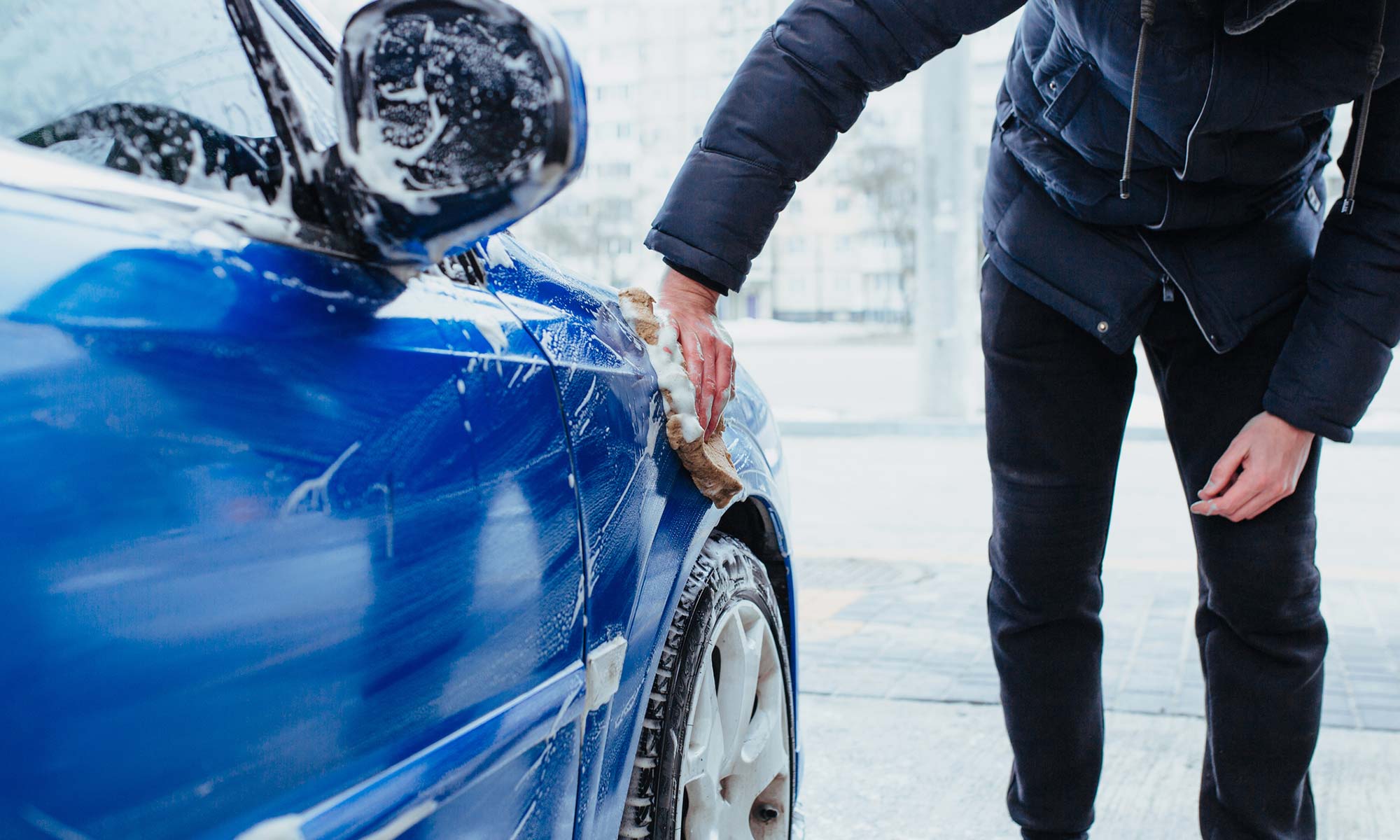
Image Source: www.endurancewarranty.com
Battling the Brrr: A Guide to Washing Your Car in Winter
The thought of washing your car when it’s freezing outside might send shivers down your spine. Will the water freeze on your paint? Will your doors get stuck? These are valid concerns, but they don’t have to stop you from giving your car the attention it deserves. Understanding the risks and employing the correct methods are key to successful winter car washing. We’ll cover everything from choosing the right time to ensuring your car’s paint is protected in the cold.
When is it Too Cold to Wash Your Car?
The golden rule for washing your car in cold weather is to avoid washing when the temperature is below freezing (32°F or 0°C) for extended periods. If the ambient temperature is below freezing, or if it’s predicted to drop significantly immediately after your wash, it’s generally best to postpone. Even a few degrees above freezing can still pose risks if moisture lingers. The ideal scenario is to wash your car on a day when the temperature is consistently above freezing, ideally in the mid-40s (°F) or higher. This ensures that water has a better chance to evaporate quickly, reducing the likelihood of ice formation.
Preparing for an Outdoor Car Wash in Winter
An outdoor car wash in winter requires more preparation than a summer wash. Think of it as gearing up for a chilly expedition.
Essential Supplies for Winter Car Washing
- Warm Water: This is your best friend. Using warm water helps to melt away ice and grime more effectively and reduces the risk of immediate freezing.
- Car Wash Soap: Ensure your car wash soap is designed for cold weather or is at least a pH-neutral, high-quality soap. Some soaps can leave residues that freeze.
- Multiple Buckets: Having two buckets – one for soapy water and one for rinsing your wash mitt – is crucial. This prevents you from spreading dirt back onto your car.
- Wash Mitts and Drying Towels: Opt for microfiber wash mitts and plush drying towels that are absorbent and won’t scratch your paint. Have plenty of them, as they can become saturated quickly.
- Hose with Adjustable Nozzle: A good nozzle allows you to control water flow and pressure.
- Wheel Cleaner and Brushes: Wheels often accumulate stubborn salt and grime.
- Detailing Sprays and Waxes/Sealants: For post-wash protection.
- Gloves: Insulated, waterproof gloves are a must to keep your hands warm and dry.
- Warm Clothing: Layers are essential.
Timing Your Winter Wash
The best time to wash your car in the cold is during the warmest part of the day. This is typically mid-morning to early afternoon. Avoid washing at dawn or dusk when temperatures are likely to be at their lowest. Check the weather forecast before you begin. You want a period of clear, mild weather without immediate drops in temperature.
The Step-by-Step Guide to Safe Car Wash Cold Weather
Washing your car in winter is a process that demands attention to detail and a methodical approach.
Step 1: Pre-Wash Preparations
- Choose Your Location: If possible, wash your car in a spot that receives direct sunlight, which can help with drying and evaporation. Avoid washing directly on frozen ground, as this can create slippery conditions.
- Gather Your Supplies: Have everything you need within easy reach.
- Warm Up Your Water: Fill your buckets with warm water. If you’re using a hose, let the water run for a moment to clear any cold water from the line.
Step 2: Pre-Rinsing the Vehicle
- The Importance of Pre-Rinsing: Before you even touch a wash mitt, thoroughly rinse your car with warm water. This is especially important in winter to remove loose salt, sand, and grit that can act like sandpaper against your paint when you start scrubbing. Using a gentle spray is better than a high-pressure blast that could force water into crevices where it might freeze.
Step 3: Washing with Soap and Water
- The Two-Bucket Method: Dip your wash mitt into the soapy water bucket. Wash a section of the car, then rinse the mitt thoroughly in the rinse bucket before dipping it back into the soap. This keeps your wash water cleaner and reduces the risk of scratching.
- Work from Top to Bottom: Start with the roof and work your way down. This way, dirty water runs over unwashed areas, not previously cleaned ones.
- Be Gentle: Avoid applying excessive pressure. Let the soap and mitt do the work.
- Focus on Key Areas: Pay special attention to areas caked with road salt and grime.
Step 4: Rinsing Off the Soap
- Thorough Rinse: Ensure all soap residue is completely removed. Any leftover soap can attract dirt and moisture, potentially leading to ice formation.
- Water Temperature: Continue to use warm water for rinsing if possible.
Step 5: Drying the Car – The Crucial Step
This is arguably the most critical part of winter car washing. Proper drying prevents water from freezing on your car’s surface, doors, and windows.
- Microfiber Towels are King: Use high-quality, plush microfiber drying towels. They are highly absorbent and gentle on your paint.
- Blot, Don’t Wipe: Gently blot the water away rather than wiping aggressively. This minimizes the risk of scratching and helps lift moisture efficiently.
- Don’t Forget the Nooks and Crannies: Pay close attention to door handles, mirrors, window seals, and panel gaps. These are prime spots for water to collect and freeze. Use a separate, smaller microfiber towel or a detailing brush to dry these areas thoroughly.
- Leaf Blower for Stubborn Water: A leaf blower can be an excellent tool for blasting water out of tight spaces like grilles, mirrors, and door jambs.
Step 6: Protecting Your Car’s Paint in Cold Weather
After washing and drying, it’s essential to apply a protective layer to shield your paint from the harsh winter elements.
- Apply a Sealant or Wax: A good quality paint sealant or wax creates a hydrophobic barrier that repels water and makes it harder for ice to bond to your paint. This is an excellent part of car detailing winter routines.
- Protect Door Seals: Apply a silicone-based lubricant or a rubber protectant to your door seals. This prevents them from freezing shut, which is a common problem with frozen door locks car wash mishaps. This is a vital step in freezing temperatures car care.
Specific Concerns for Winter Car Washing
Washing car in snow or during icy conditions presents unique challenges. Here’s how to address them.
Washing Car in Snow: The Do’s and Don’ts
- Do: If you have a light dusting of snow, you can often remove it with a soft brush or a quick rinse of warm water before proceeding with a regular wash.
- Don’t: Never try to wash your car if it’s covered in thick, wet snow or ice. The freezing temperatures will make the water solidify immediately, and you risk scratching your paint while trying to remove ice.
- Focus on Underneath: If your car has accumulated a lot of snow underneath from driving, a thorough rinse with warm water is beneficial to remove corrosive salt and slush.
Using Hot Water Car Wash Cold: Is it Safe?
- The “Hot Water” Debate: While using warm water is beneficial, be cautious about using scalding hot water, especially if your car’s paint is already cold. The sudden temperature change can potentially shock and crack the paint, though this is rare. Warm water (think comfortably warm to the touch, not boiling) is ideal.
- Water Purity: If you’re using tap water that is extremely cold, it can freeze more quickly once it hits the colder surface of your car. This is why using pre-warmed water is always recommended.
Car Wash Soap Freezing: Prevention is Key
- Dilution: Always dilute your car wash soap according to the manufacturer’s instructions. Overly concentrated soap can sometimes leave a residue.
- Avoid Leaving Suds on the Surface: Don’t let the soapy water dry on your car in cold temperatures. Rinse it off promptly.
- Storage: If you store your car wash soap outdoors, ensure it’s in a frost-free location, as some soaps can freeze and become unusable.
Protecting Car Paint Cold: Beyond Washing
- Regular Waxing/Sealing: Consistent application of waxes or sealants throughout the year, especially before winter, provides a robust defense against salt, sand, and ice.
- Ceramic Coatings: For superior, long-lasting protection, consider a ceramic coating. These are highly durable and provide excellent resistance to the elements.
- Consider a Car Cover: If your car is parked outdoors for extended periods, a quality car cover can offer an additional layer of protection against snow, ice, and debris.
Addressing Frozen Door Locks Car Wash Issues
A common and frustrating problem after a cold-weather car wash is frozen door locks or doors that won’t open.
- Pre-Wash Lubrication: Apply a silicone spray or a rubber protectant to all door seals, trunk seals, and hinges before washing. This is your primary defense.
- Thorough Drying: As mentioned, drying these areas meticulously is paramount.
- Post-Wash Lubrication: After drying, it’s a good idea to apply lubricant to the lock mechanisms as well.
- If Doors Freeze Shut:
- Warm Air: Try directing warm air from a hairdryer (use a low heat setting and keep it at a safe distance) onto the door seam and lock area.
- De-Icer Spray: Commercial de-icer sprays can be effective, but use them sparingly to avoid damaging paint or seals.
- Avoid Force: Never try to force a frozen door open, as you could damage the seals or the door itself.
Alternative Winter Car Care Methods
If the outdoor car wash feels too daunting, there are other options.
Self-Serve Car Washes
- Benefits: These typically use warmer water and often have enclosed bays, offering some protection from the wind and extreme cold.
- Considerations: Ensure the self-serve wash is well-maintained. Pay attention to the drying options available. Some use strong blowers which can be effective.
Professional Detailing Services
- Benefits: Professional detailers have the equipment, products, and expertise to wash and protect your car safely in any weather. They often use specialized products and techniques for winter car care.
- Considerations: This is often the most expensive option, but it provides peace of mind and a thorough job.
Frequently Asked Questions (FAQ)
Q1: Can I wash my car in the rain in winter?
A1: Washing your car in the rain in winter is generally okay, as the rain helps to rinse away salt and grime. However, you still need to dry your car thoroughly afterwards to prevent ice formation, especially in door jambs and seals.
Q2: Is it bad for my car’s paint to wash it in freezing temperatures?
A2: It can be bad if done incorrectly. The primary risk is water freezing on the paint, which can expand and cause micro-cracks. Also, if you use abrasive methods or frozen water, you can scratch the paint. Following safe car wash cold weather practices mitigates these risks.
Q3: What’s the best way to remove salt from my car in winter?
A3: A thorough rinse with warm water is the most effective first step. Follow this with a proper wash using car wash soap. For the undercarriage, using a pressure washer with a dedicated undercarriage attachment is highly recommended.
Q4: Can I use household cleaners to wash my car in winter?
A4: It’s best to avoid household cleaners like dish soap or general all-purpose cleaners. These can be too harsh for your car’s paint and clear coat, stripping away protective waxes and potentially causing damage over time, especially in harsh winter conditions. Stick to dedicated car wash soaps.
Q5: How often should I wash my car in winter?
A5: It’s recommended to wash your car at least every two to three weeks during winter, especially if you drive on roads treated with salt and de-icing chemicals. Frequent washing helps prevent corrosion and damage to your paint and undercarriage.
Q6: Will washing my car in winter cause rust?
A6: The act of washing itself, when done correctly with warm water and proper drying, does not cause rust. However, if corrosive elements like road salt and chemicals are left on the car for extended periods, or if water is trapped in areas where it can’t dry, it can accelerate rust formation. The goal of winter car washing is to remove these corrosive elements.
By following these guidelines, you can confidently tackle winter car washing and keep your vehicle looking its best, even when the temperatures plummet. Remember, preparation and careful execution are the keys to safe car wash cold weather success.