
Yes, you can trade in a totaled car, but it’s not as simple as trading in a fully functional vehicle. When a car is deemed “totaled” by an insurance company, it means the cost of repairing it after damage exceeds its actual cash value. While you generally cannot trade it in at a dealership for its pre-accident value, there are still avenues to explore for selling a damaged vehicle.
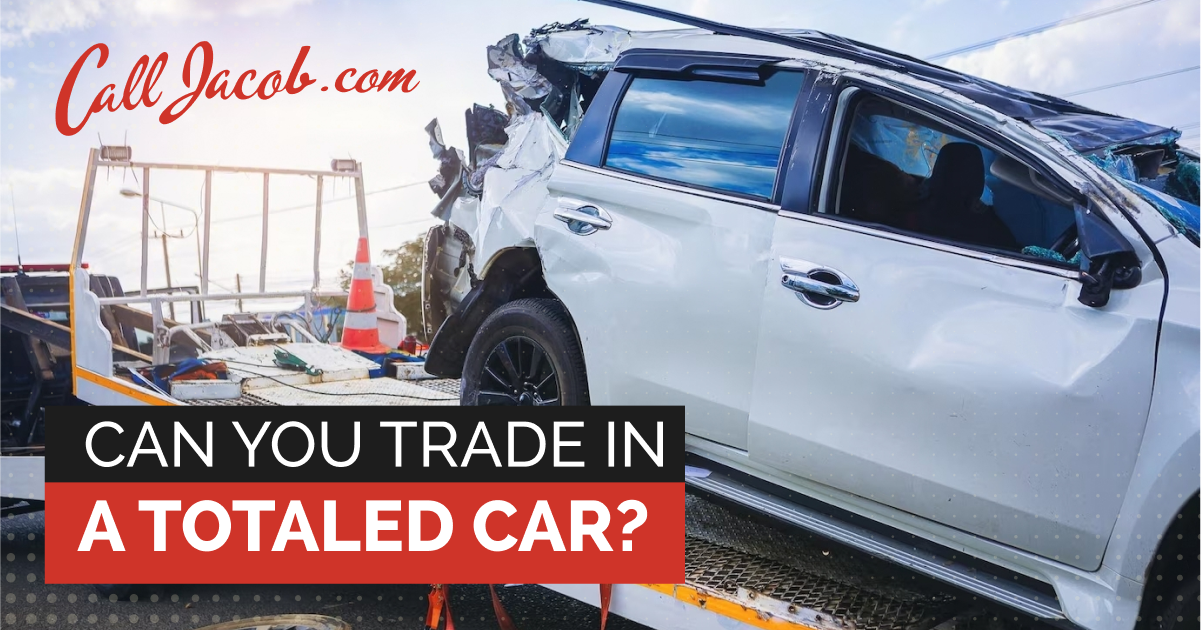
Image Source: www.calljacob.com
Deciphering the “Totaled” Label
When your car sustains significant damage from an accident, natural disaster, or other event, the insurance company will perform a damaged vehicle assessment. This assessment determines if the vehicle is a total loss. This usually happens when the repair costs, including parts and labor, plus the cost of disposal, are more than the car’s market value before the damage occurred.
The Salvage Title: What it Means
If a car is declared a total loss by the insurer, it will likely receive a salvage title. This title signifies that the vehicle has been damaged to the extent that its fair market value is less than the cost of repairs. Owning a car with a salvage title has several implications.
- Insurability: It can be much harder to insure a car with a salvage title. Many standard insurance providers will not offer full coverage on these vehicles.
- Resale Value: The totaled car value plummets with a salvage title. Potential buyers are often wary of the hidden problems that might exist, even after repairs.
- Registration: In many states, you cannot legally register or drive a car with a salvage title on public roads until it has been repaired and passed a stringent state inspection. This often results in a “rebuilt” or “reconditioned” title.
The Possibility of a Salvage Title Trade-In
Can you achieve a salvage title trade-in? While not every dealership will accept a totaled car, especially one with a salvage title, it’s not an outright impossibility. The key here is managing expectations and knowing where to look.
Why Dealerships are Hesitant
Dealerships are in the business of selling cars that are in good condition and can be resold at a profit. A car with a salvage title, even if repaired, carries a stigma and a reduced market value that makes it a less attractive inventory item. Their primary concern is the damaged car trade-in value, which will be significantly lower for a totaled vehicle.
Where You Might Find a Salvage Title Trade-In Opportunity
- Dealerships Specializing in Used or Damaged Cars: Some dealerships, often smaller independent lots, might be more willing to take a totaled car as a trade-in. They may have the expertise to assess and repair such vehicles or a market for parts.
- Negotiation is Key: If you find a dealership willing to consider it, be prepared for a low offer. The totaled car value they offer will reflect the costs they anticipate in repairs, title rebranding, and the reduced resale value.
Selling a Totaled Car: Alternative Routes
If a dealership trade-in isn’t feasible or the offer is too low, there are other ways to handle selling a totaled car. These methods often yield better results than a traditional trade-in.
1. Selling to Car Salvage Yards
Car salvage yards are businesses that buy damaged or totaled vehicles. They are often interested in vehicles for several reasons:
- Parts Harvesting: They will often dismantle the car and sell usable parts individually. This is a lucrative business for them.
- Scrap Metal Value: Even if the car is beyond repair, its metal components have value for recycling.
- Export Markets: Some salvage yards export vehicles or parts to countries where repair costs are lower or demand for specific models is high.
When dealing with car salvage yards, you’ll likely be quoted a price based on the car’s weight and the value of its salvageable parts. This is often a straightforward process, and you can get cash for your totaled vehicle. This is a common route for an accident car sale.
2. Selling Directly to Private Buyers
This can be the most challenging, but potentially most rewarding, method for selling a damaged vehicle.
- Honesty is Paramount: You must be completely upfront about the car’s condition and its salvage title status. Failure to do so can lead to legal issues.
- Targeting the Right Audience: Look for buyers who are specifically looking for project cars, parts, or have the skills and resources to repair a totaled vehicle. Online marketplaces, forums dedicated to specific car makes, or local classifieds might be useful.
- Documentation: Ensure you have all the necessary paperwork, including the original title, any repair documentation (if applicable), and a bill of sale. If the car has been repaired and has a rebuilt title, this is crucial to present.
3. Selling to a Specialized “Totaled Car Buyer”
There are companies that specifically buy totaled vehicles, regardless of their condition. These companies often have a network of mechanics, salvage yards, or international buyers who are interested in these types of vehicles. They streamline the process of selling a write-off.
The Car Insurance Payout: What to Expect
After your car is declared totaled, you will receive a car insurance payout. This payout is based on the Actual Cash Value (ACV) of your vehicle immediately before the accident.
Calculating the ACV
The ACV is not what you paid for the car, nor is it what you owe on a loan. It’s the market value of your vehicle in its pre-damaged condition. Insurers use various methods to determine this, including:
- Market Research: Comparing your car to similar vehicles sold in your local area.
- Vehicle History Reports: Checking for past accidents or damage.
- Condition: Taking into account the mileage, age, condition of the interior and exterior, and any optional features.
- Replacement Costs: What it would cost to buy a comparable vehicle.
What Happens to the Totaled Car?
Once the insurance company pays out the ACV, they typically take possession of the totaled vehicle. You have a few options regarding the vehicle itself:
- Let the Insurer Take It: This is the most common scenario. They will then sell it at a salvage auction.
- Buy Back the Salvage: In some cases, you can choose to keep the totaled car. The insurance company will then deduct the salvage value (what they would have gotten for it at auction) from your payout. You will then be responsible for the vehicle’s title and disposal. This is often done if the damage is minor enough that you believe you can repair it yourself or sell it for parts.
Assessing the Damaged Car Trade-In Value
When considering a damaged car trade-in value, it’s important to be realistic. For a totaled car, this value will be very low, if a dealership even considers it.
Factors Influencing Damaged Car Trade-In Value
- Severity of Damage: Cosmetic damage is less impactful than structural damage or mechanical failure.
- Repair Costs: The higher the estimated repair costs, the lower the trade-in value.
- Salvage Title Status: As mentioned, a salvage title significantly reduces value.
- Market Demand: The demand for the specific make and model of your damaged car plays a role.
- Usable Parts: If the car has valuable parts that are undamaged, this might slightly increase its salvageable value.
A thorough damaged vehicle assessment by a professional can give you a clearer picture of its actual worth in its damaged state.
The Nuances of Selling a Write-Off
Selling a write-off requires a different approach than selling a standard used car. Transparency is your best friend.
Transparency and Disclosure
When you are selling a totaled car, you must disclose its history. This includes:
- The “Totaled” Status: Be upfront that the car was declared a total loss by an insurance company.
- Salvage or Rebuilt Title: Clearly state if the vehicle has a salvage title or if it has been repaired and has a rebuilt title.
- Previous Damage: Explain the extent of the damage and any repairs that have been made.
Legal Implications of Non-Disclosure
Failing to disclose that a car was totaled can have serious legal consequences, including fines, lawsuits, and even criminal charges in some jurisdictions. It’s crucial to adhere to all local and state regulations regarding the sale of vehicles with salvage or rebuilt titles.
Frequently Asked Questions (FAQ)
Q1: Can I trade in a car with a salvage title?
A1: While some dealerships may accept a salvage title vehicle as a trade-in, it is uncommon, and the offered value will be significantly lower than a comparable vehicle with a clean title. It’s more likely that you’ll need to explore selling it to salvage yards or specialized buyers.
Q2: What is the difference between a salvage title and a rebuilt title?
A2: A salvage title is issued to a vehicle that has been declared a total loss by an insurance company due to significant damage. A rebuilt title is issued after a salvaged vehicle has been repaired and passed a state inspection to be deemed roadworthy again.
Q3: How much is a totaled car worth?
A3: The totaled car value is essentially its salvage value – what someone would pay for it based on its scrap metal and usable parts. This is significantly less than its pre-accident market value. The insurance payout is based on the Actual Cash Value (ACV) before damage.
Q4: Can I sell a totaled car privately?
A4: Yes, you can sell a totaled car privately. However, you must be completely transparent about its condition and title status. You will need to find buyers who are specifically looking for project cars or parts.
Q5: What are car salvage yards?
A5: Car salvage yards are businesses that buy damaged or totaled vehicles to dismantle for usable parts, which they then sell. They also deal with the scrap metal value of vehicles that are beyond repair.
Q6: What happens if I don’t tell the buyer my car was totaled?
A6: Not disclosing that a car was totaled can lead to serious legal repercussions, including fines, lawsuits, and even criminal charges. Honesty and full disclosure are crucial when selling a damaged vehicle.
Q7: Is it better to sell a totaled car to a salvage yard or a dealership?
A7: Generally, it is better to sell a totaled car to a car salvage yard or a specialized buyer. Dealerships are unlikely to offer a fair price for a totaled vehicle as a trade-in, whereas salvage yards are equipped to handle such vehicles and offer a more realistic price based on their salvageable components.
Q8: Can I repair my totaled car and then sell it?
A8: You can repair your totaled car. However, once repaired, it will typically receive a “rebuilt” or “reconditioned” title, not a clean title. This rebuilt title will still affect the car’s value and insurability, though it might be more marketable than a car with a salvage title. Ensure all repairs meet state regulations and pass inspection.
By gathering the facts and exploring all available options, you can navigate the process of dealing with a totaled car effectively.