
Yes, you can get a car wash in 20-degree weather, but it requires careful consideration and specific precautions to ensure your vehicle remains protected and the wash process is effective. This article will delve into the nuances of washing your car in chilly temperatures, focusing on safety, practicality, and the best approaches to keep your vehicle sparkling even in the deep freeze.
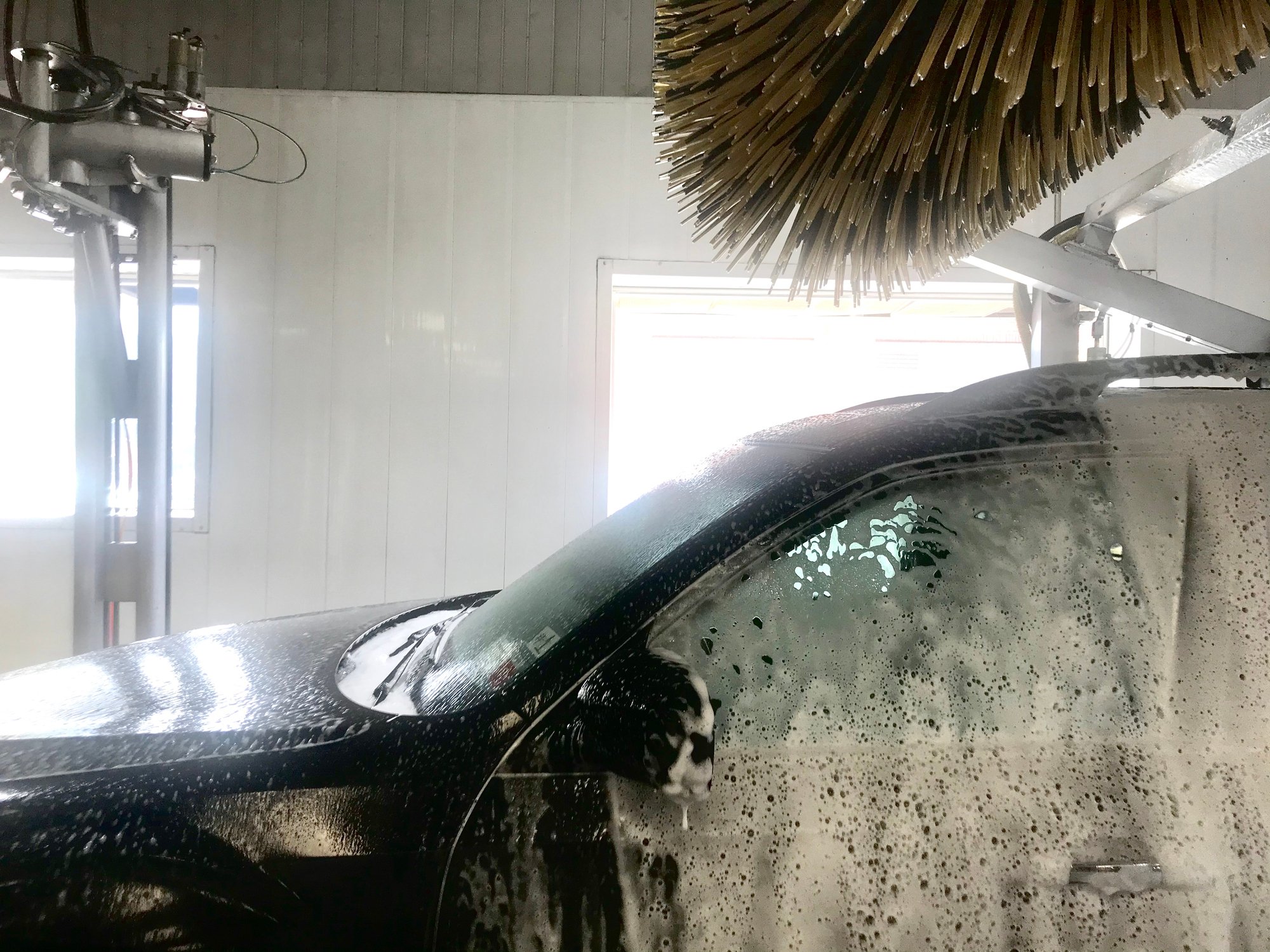
Image Source: www.thesilverlining.com
The Chill Factor: Washing Your Car in Cold Temperatures
Washing your car when the temperature hovers around 20 degrees Fahrenheit (-6.7 degrees Celsius) presents a unique set of challenges. Water can freeze quickly, potentially causing damage to your vehicle’s components and creating slippery conditions. However, with the right knowledge and techniques, you can successfully achieve a cold weather car wash without compromising your car’s integrity. The key lies in managing the water and minimizing the risk of ice formation.
Navigating Car Wash Freezing Temperatures
When the mercury drops, car wash freezing temperatures become a significant concern. Water, the primary cleaning agent, turns into ice at 32°F (0°C) and below. At 20 degrees, this process is accelerated. Understanding how water behaves in these conditions is crucial for any successful washing car in winter.
Risks Associated with Freezing Temperatures
- Door Locks and Seals: Water trapped in door locks, handles, or window seals can freeze, making it impossible to open your doors or windows. This can be a major inconvenience and, in some cases, lead to damage if you force entry.
- Wiper Blades: Frozen wiper blades can be damaged or even tear off when you attempt to use them. Ice buildup on the windshield can also obstruct your view.
- Brake Lines and Components: Water can seep into various crevices and freeze, potentially affecting brake performance or causing damage to sensitive components.
- Paint and Finish: Rapid freezing of water on your car’s surface can, in extreme cases, affect the paint if not handled correctly.
Is an Outdoor Car Wash Frozen?
If you’re considering an outdoor car wash frozen conditions, it’s important to assess the specific situation. Most professional automatic car wash winter services are equipped to handle cold weather. They often use heated water and specialized drying systems. However, if you’re thinking of a DIY wash in your driveway, the risk of everything freezing is much higher.
Factors Determining if an Outdoor Wash is Feasible:
- The Specific Temperature: While 20 degrees is chilly, it’s still above the point where water instantly turns to solid ice if properly managed.
- Humidity Levels: High humidity can exacerbate freezing issues.
- Wind Chill: Windy conditions can make the actual temperature feel much colder, increasing the risk of freezing.
Washing Car in Winter: DIY vs. Professional Services
Deciding whether to tackle a washing car in winter yourself or opt for a professional service is a primary consideration when the temperature is around 20 degrees. Both have their advantages and disadvantages.
DIY Winter Washing: Precautions and Best Practices
If you opt for a DIY approach for your exterior car wash cold, preparation is paramount.
Pre-Wash Preparations:
- Choose the Right Time: Aim for the warmest part of the day, typically mid-morning to early afternoon.
- Gather Supplies:
- Two-bucket wash method supplies (one for soapy water, one for rinsing)
- High-quality car wash soap (formulated for winter to help prevent freezing)
- Microfiber wash mitts and drying towels
- Hose with adjustable nozzle
- De-icer spray for locks and windows
- Optional: A pressure washer with a heated water option
- Pre-Treat Stubborn Grime: Before you even touch water, consider using a pre-wash spray or degreaser on heavily soiled areas, especially around the wheel wells and lower body panels, which accumulate road salt and grime.
The Washing Process:
- Pre-Rinse: Use lukewarm water if possible to loosen dirt and salt. Avoid blasting water directly into door seals or crevices.
- Washing: Use your two-bucket system. Wash the car from top to bottom, working in sections.
- Rinsing: Rinse thoroughly with lukewarm water. Again, avoid directing high-pressure water into vulnerable areas.
- Drying: This is the most critical step. Thoroughly dry the entire vehicle with microfiber towels. Pay special attention to door jambs, mirror housings, and around light fixtures. Use a leaf blower or compressed air to blow water out of tight spots.
- Lubrication: Use a spray-on protectant or quick detailer to add a layer of protection and help repel water.
- De-Ice: Apply de-icer spray to door locks, handles, and window channels as a preventative measure.
Can I Do a Car Wash in Frost?
Performing a car wash in frost conditions, even at 20 degrees, significantly increases the risk of ice formation. If frost is present on your car before you start, it’s generally best to wait. Trying to wash over frost can lead to ice buildup on your wash mitt and car, making the process ineffective and potentially damaging. If you absolutely must wash, ensure the vehicle is not actively frosting over.
Professional Car Wash Services in Cold Weather
For a cold weather car wash, professional services are often the most convenient and effective option, especially when dealing with car wash freezing temperatures.
Types of Professional Car Washes:
- Automatic Car Washes: Many modern automatic car wash winter facilities are designed to operate in cold weather. They typically use:
- Heated Water: This is crucial for preventing freezing and effectively cleaning.
- High-Pressure Sprayers: To dislodge road salt and grime.
- Powerful Air Dryers: To remove as much water as possible.
- Underbody Washes: Essential for removing road salt that can cause corrosion.
- Full-Service Car Detailing: For a comprehensive car detailing cold experience, professional detailers can offer a more thorough service. They have the tools, products, and expertise to handle the challenges of winter washing.
Benefits of Professional Services:
- Efficiency: They can wash and dry your car quickly, minimizing exposure to the cold.
- Equipment: Access to heated water and specialized drying equipment.
- Expertise: Staff are trained to handle winter washing conditions.
- Convenience: Saves you the hassle of a DIY wash in the cold.
Safe Car Wash Ice Prevention
Whether DIY or professional, safe car wash ice prevention is key. This involves:
- Minimizing Water Contact Time: The less time water is allowed to sit and freeze, the better.
- Thorough Drying: Removing all excess water is the most effective way to prevent ice.
- Using Proper Products: Winter-specific soaps and protectants can offer a layer of defense against freezing.
Car Detailing Cold Weather Considerations
When the temperature is around 20 degrees, car detailing cold becomes a more complex operation. While the principles of cleaning remain the same, the environment introduces significant challenges.
Interior Detailing in Winter
The interior of your car can still accumulate dirt, salt residue from shoes, and general grime during winter.
Interior Cleaning Tips:
- Floor Mats: Remove all-weather floor mats and clean them separately. Shake off loose dirt and salt, then wash with a mild cleaner if necessary. Ensure they are completely dry before putting them back.
- Vacuuming: Thoroughly vacuum carpets and upholstery to remove salt and dirt.
- Wipe Down Surfaces: Use interior cleaners to wipe down the dashboard, door panels, and steering wheel.
- De-Fogging: Use an anti-fog spray on interior windows for better visibility.
Exterior Detailing in Freezing Temperatures
Exterior car wash cold detailing requires careful planning.
Key Exterior Detailing Steps in Winter:
- Pre-Wash and Decontamination: Removing stubborn road salt, tar, and grime is essential. Specialized decontaminants are often used.
- Washing: As mentioned, use lukewarm water and the two-bucket method.
- De-Greasing: Wheel wells and lower body panels often require degreasers to remove heavy road salt and grime.
- Iron Remover: This product helps to break down brake dust and iron particles that cling to the paint, often exacerbated by winter road treatments.
- Clay Bar Treatment: While less common in extreme cold, a clay bar can remove embedded contaminants for a smoother finish. This requires a proper lubricant.
- Polishing (Optional): If your paint needs correction, polishing can be done, but it’s often best to save this for warmer months unless absolutely necessary.
- Protection: Applying a wax, sealant, or ceramic coating is crucial to protect the paint from the harsh winter elements. These products also help make future washes easier.
Winter Car Care Wash Strategies
Adopting a consistent winter car care wash routine is vital for preserving your vehicle’s condition throughout the colder months.
The Importance of Frequent Washing
Even in 20-degree weather, regular washing is beneficial. Road salt and de-icing chemicals are highly corrosive and can lead to rust and paint damage over time.
Benefits of Regular Winter Washes:
- Corrosion Prevention: Removing salt and chemicals significantly reduces the risk of rust.
- Paint Protection: Keeping the car clean helps maintain the integrity of the paint.
- Visibility: A clean windshield and windows improve driving safety.
- Component Longevity: Preventing water from freezing in critical areas can prolong the life of various components.
Special Considerations for Your Vehicle
Beyond the wash itself, there are other winter car care wash aspects to consider.
Protection Against the Elements:
- Wax or Sealant: Applying a good quality wax or synthetic sealant before winter sets in provides a protective barrier against salt, moisture, and UV rays.
- Tire Care: Ensure your tires are properly inflated and have good tread for winter driving conditions.
- Fluid Checks: Make sure your windshield washer fluid is rated for freezing temperatures.
Frequently Asked Questions (FAQ)
Here are answers to some common questions regarding washing your car in 20-degree weather:
Q1: Can I use a regular hose to wash my car at 20 degrees?
A1: It’s not ideal. Regular hoses can freeze, and the water can freeze quickly on your car. If you must use a hose, use lukewarm water and dry your car immediately and thoroughly. Professional washes use heated water systems to mitigate this risk.
Q2: What happens if water freezes in my car’s door locks at 20 degrees?
A2: Frozen door locks can prevent you from opening your vehicle. You can try using a de-icer spray or a hairdryer on a low setting (held at a safe distance) to thaw them. Avoid forcing the key or lock, as this can cause damage.
Q3: Is it safe to wash my car if it’s 20 degrees but not actively snowing or raining?
A3: Yes, it can be safe if you take proper precautions. The primary concern is preventing water from freezing on your car’s surfaces and in vulnerable areas. Thorough drying is the most critical step.
Q4: How can I prevent my car from freezing after a wash at 20 degrees?
A4: Thorough drying is the most important step. Pay extra attention to door jambs, window seals, and mirrors. Using compressed air or a leaf blower can help remove trapped water. Applying a spray wax or quick detailer can also provide a hydrophobic layer that repels water.
Q5: Can an automatic car wash operate at 20 degrees?
A5: Most modern automatic car wash winter facilities are equipped to operate in these temperatures. They typically use heated water and efficient drying systems. However, it’s always a good idea to check with the specific car wash if you have concerns.
Q6: What are the risks of washing my car at 20 degrees without proper precautions?
A6: The main risks include water freezing in door locks, windows, and seals, making them inoperable. There’s also a risk of ice buildup on the windshield, wipers, and body, which can impair visibility and potentially cause damage.
Q7: Should I avoid washing my car during a frost advisory if it’s 20 degrees?
A7: Yes, it’s generally best to avoid washing your car during a frost advisory, especially at 20 degrees. Frost makes it more likely for water to freeze on surfaces, making the wash less effective and increasing the risk of ice formation.
Q8: What’s the best way to get road salt off my car in freezing temperatures?
A8: A professional automatic car wash winter service with an underbody wash is highly effective. For DIY, use lukewarm water and a good quality car wash soap, focusing on the lower panels and wheel wells. Rinse thoroughly and dry completely.
Q9: Can I perform car detailing in cold weather?
A9: Yes, car detailing cold weather is possible, but it requires more preparation and the right products. It’s often best to do interior detailing indoors and be extra diligent with exterior drying to prevent freezing.
Q10: Is it better to hand wash or use an automatic car wash in 20-degree weather?
A10: For convenience and effectiveness in car wash freezing temperatures, an automatic car wash winter service is often preferred. They have the equipment to handle the cold. A DIY hand wash is possible but requires more effort and attention to detail, especially in the drying process.
By following these guidelines, you can confidently manage your winter car care wash and keep your vehicle looking its best, even when the temperature is as low as 20 degrees.