
Yes, in most cases, a Toyota Prius can be used to jump start another car, but with important caveats and precautions. This capability stems from the Prius’s unique hybrid system and its onboard battery.
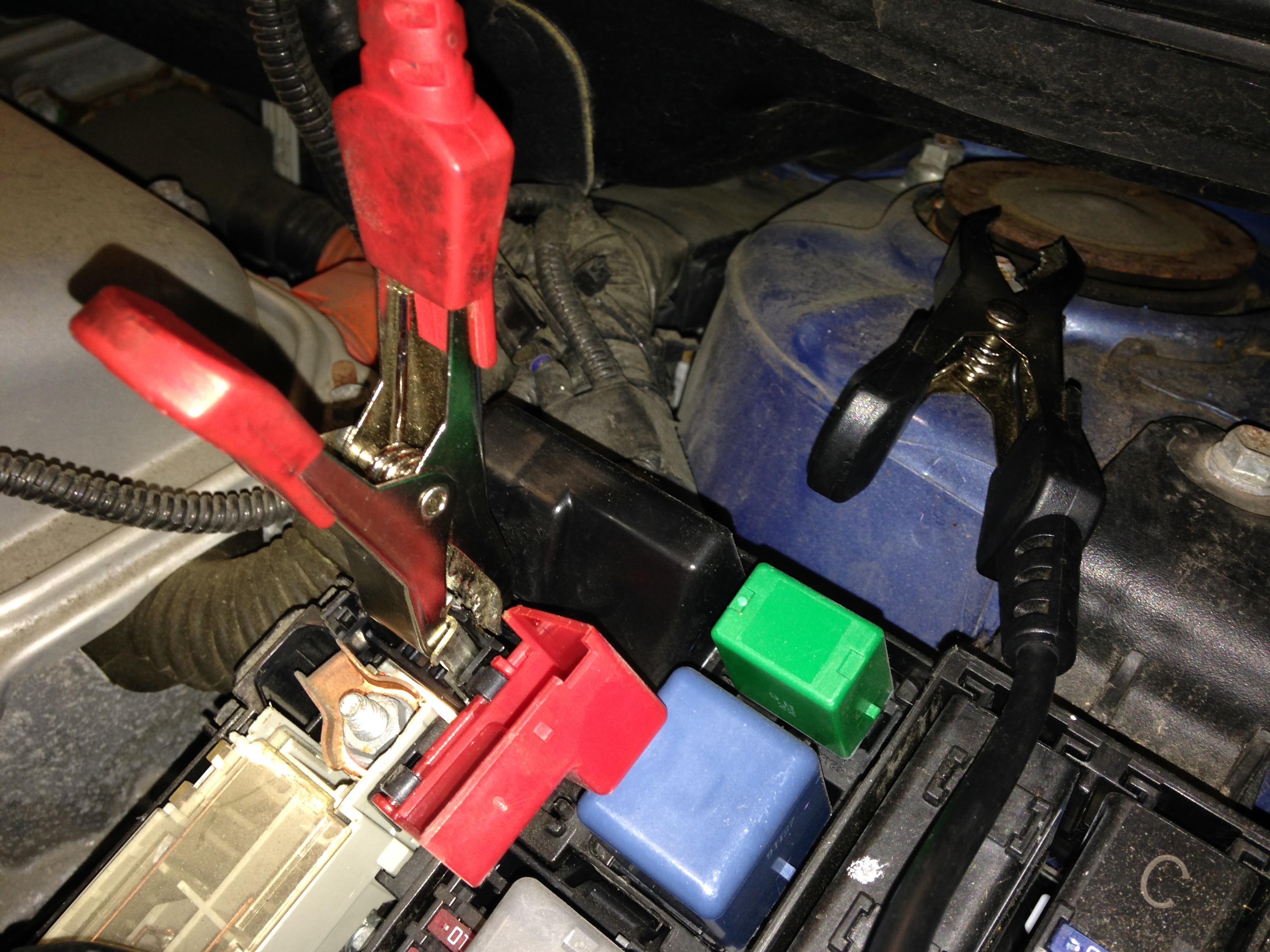
Image Source: writing.rocks
Deciphering the Prius’s Jump Starting Ability
Many car owners, especially those with hybrid vehicles like the Toyota Prius, often wonder if their car can lend a helping hand to a stranded motorist with a dead battery. The short answer is a qualified yes. A Prius can provide a jump start to another vehicle, but it’s not as straightforward as using a traditional gasoline-powered car. The truth lies in understanding the two distinct battery systems within a Prius: the high-voltage hybrid battery and the standard 12-volt auxiliary battery.
The 12-Volt Auxiliary Battery: The Key Player
The system that enables a Prius jump starting another car is the Prius auxiliary battery. This is a conventional 12-volt battery, similar to the one found in most non-hybrid vehicles. It powers the car’s electronics, lights, and importantly, the systems needed to start the gasoline engine. When you need to jump start a dead battery on another vehicle, it is this 12-volt auxiliary battery that provides the necessary power.
How Prius Jump Starting Works
The process of jump starting with Prius involves connecting jumper cables from the Prius’s 12-volt auxiliary battery to the dead battery of the other vehicle. The hybrid system itself does not directly participate in the jump-starting process. The Prius’s engine and electrical components are activated through its 12-volt system, just like any other car.
Location of the Prius Auxiliary Battery
The exact location of the Prius auxiliary battery can vary slightly depending on the specific generation of the Prius, but it’s typically found in the trunk or cargo area, often under a floor panel. It’s crucial to locate this battery and its terminals correctly before attempting a jump start. Referencing your owner’s manual is highly recommended to pinpoint its exact location and identify the positive (+) and negative (-) terminals.
Is Your Prius Equipped for the Task?
While the capability exists, it’s important to consider a few factors:
- Prius Battery Health: The health and charge level of your Prius’s 12-volt auxiliary battery are paramount. If your Prius’s own battery is weak or dead, it won’t have enough power to jump start another car.
- Cable Connections: Proper connection of jumper cables is essential for safety and effectiveness. Incorrect connections can damage both vehicles’ electrical systems.
- Model Year Variations: While the principle remains the same, specific procedures or available access points might differ slightly between Prius model years.
The Mechanics of Using a Prius as a Jump Starter
When you think about using a Prius as a jump starter, it’s important to clarify that you are leveraging its standard 12-volt electrical system, not the large hybrid battery pack. The hybrid battery powers the electric motor for propulsion, but it’s isolated from the conventional 12-volt system for safety reasons.
Step-by-Step Guide for a Hybrid Car Jump Start
Here’s a general approach to jump starting another car with your Prius:
- Gather Your Supplies: You’ll need a good quality set of jumper cables. Ensure they are thick enough to handle the current and have a good length.
- Position the Vehicles: Park the Prius close enough to the disabled vehicle so the jumper cables can reach, but without them touching. Ensure the cars are not touching each other.
- Turn Off Both Vehicles: Crucially, turn off both the Prius and the car with the dead battery. Remove the key from the ignition in both cars.
- Open the Hoods/Access Panels: Locate the battery in both vehicles. As mentioned, the Prius battery is often in the trunk. You might also find a designated jump-starting terminal under the hood of a Prius, often with a positive (+) symbol, connected to the auxiliary battery. Consult your owner’s manual.
- Connect the Jumper Cables (The Correct Way!): This is the most critical step for safety and avoiding damage.
- Connect one end of the red (positive) jumper cable to the positive (+) terminal of the dead battery.
- Connect the other end of the red (positive) jumper cable to the positive (+) terminal of the good (Prius) battery.
- Connect one end of the black (negative) jumper cable to the negative (-) terminal of the good (Prius) battery.
- Connect the other end of the black (negative) jumper cable to an unpainted metal surface on the engine block or chassis of the dead car, away from the battery. This is called a ground connection. Never connect the black cable directly to the negative terminal of the dead battery, as this can create a spark that could ignite hydrogen gas released from the battery.
- Start the Prius: Start the engine of your Prius. Allow it to run for a few minutes to help charge the dead battery. Revving the Prius’s engine slightly (to about 1500-2000 RPM) can help send more power to the dead battery.
- Attempt to Start the Dead Car: After a few minutes of the Prius running, try to start the car with the dead battery.
- Disconnect the Jumper Cables (In Reverse Order): Once the dead car has started and is running on its own, carefully disconnect the jumper cables in the reverse order of connection:
- Disconnect the black cable from the grounded metal surface on the formerly dead car.
- Disconnect the black cable from the negative (-) terminal of the Prius.
- Disconnect the red cable from the positive (+) terminal of the formerly dead car.
- Disconnect the red cable from the positive (+) terminal of the Prius.
- Keep the Jump-Started Car Running: Advise the owner of the jump-started car to keep their engine running for at least 15-30 minutes to allow the battery to recharge.
Important Prius Jump Starting Precautions
While Prius jump starting is possible, there are crucial hybrid vehicle jump start precautions to observe:
- Do Not Jump Start the Hybrid Battery: You will never connect jumper cables to the large high-voltage hybrid battery pack. It operates at a much higher voltage and is designed differently. Incorrectly attempting to interact with it can be extremely dangerous and cause severe damage.
- Consult Your Owner’s Manual: This cannot be stressed enough. Your Prius owner’s manual will provide specific instructions on how to access the 12-volt battery or designated jump-starting terminals, and any model-specific safety warnings.
- Check the Prius Auxiliary Battery Condition: Before attempting a jump start, ensure your Prius’s 12-volt battery is in good condition and sufficiently charged. If your Prius has been sitting unused for a long time, its auxiliary battery might be depleted.
- Avoid Overcharging: Do not leave the jumper cables connected for an extended period after the other car has started. This could potentially overcharge the dead battery or strain the Prius’s charging system.
- Watch for Sparks: Be mindful of sparks when making connections. This is why the final black cable is connected to a ground point, to minimize the risk of igniting battery gases.
- Extreme Weather Conditions: In very cold weather, batteries are less efficient, and jump starting can be more challenging and potentially more taxing on the donor vehicle.
The Prius Power Source: A Closer Look
The Prius power source for jump starting is, again, its conventional 12-volt auxiliary battery. This battery is kept charged by the car’s internal charging system, which is primarily powered by the gasoline engine when it’s running and by the hybrid system.
Prius Battery Charging Mechanisms
The Prius battery charging process is multi-faceted:
- Alternator: When the gasoline engine is running, a conventional alternator charges the 12-volt auxiliary battery, just like in any other car.
- DC-DC Converter: The hybrid system’s high-voltage battery can also supply power to a DC-DC converter, which then charges the 12-volt auxiliary battery. This is a key difference from non-hybrid cars and ensures the 12-volt battery remains topped up, even when the gasoline engine isn’t actively running.
This robust charging system means that a Prius is generally well-equipped to maintain its own auxiliary battery charge, making it a reliable candidate for jump starting another vehicle, provided its own battery isn’t compromised.
What About Using the Hybrid Battery?
It is a common misconception that the large hybrid battery can be used for jump starting. However, the high-voltage hybrid battery pack is a separate, sealed system. It operates at voltages far exceeding the 12 volts required for jump starting. Attempting to connect jumper cables to the hybrid battery would be incredibly dangerous, potentially leading to:
- Severe Electric Shock: The high voltage can cause serious injury or death.
- Damage to Both Vehicles: The electrical systems of both the Prius and the vehicle being jumped could be irrevocably damaged.
- Fire or Explosion: The uncontrolled release of energy could cause a fire or explosion.
Therefore, never attempt to jump start using the hybrid battery. Always focus on the standard 12-volt auxiliary battery.
When Not to Jump Start
While your Prius can be a savior for a stranded motorist, there are situations where you should refrain from jump starting:
Limitations and Risks
- Unknown State of the Dead Battery: If the dead battery is severely damaged, leaking, or shows signs of physical damage, do not attempt to jump start it.
- Overly Cold Temperatures: In extreme cold, batteries lose capacity, and jump starting can be inefficient and put significant strain on your Prius.
- If Your Prius’s Battery is Weak: If you’ve been experiencing issues with your Prius’s 12-volt battery, or if it has been depleted, it’s not advisable to use it for jump starting.
- If You Are Unsure of the Process: If you are not confident in your ability to follow the correct procedures, it’s better to call for professional roadside assistance.
Alternative Solutions
If your Prius isn’t in a condition to jump start, or if you encounter issues:
- Portable Jump Starters: These are battery packs designed specifically for jump starting vehicles and are a safer alternative if you’re unsure about using your car.
- Roadside Assistance: Services like AAA or those offered by your insurance provider can dispatch a professional to assist.
Jump Start Etiquette: Being a Good Samaritan
When you decide to help someone by jump starting a dead battery, a little courtesy goes a long way. This is known as jump start etiquette.
Being a Responsible Helper
- Ensure Safety First: Before you even get out of your car, assess the situation. Is it safe to pull over and assist? Are there hazards like heavy traffic?
- Communicate Clearly: Let the person know you can help and explain the process you’ll be using.
- Be Patient: The person with the dead battery might be stressed. A calm and patient demeanor can ease their anxiety.
- Offer Further Assistance: After the car has started, offer to follow them for a short distance to ensure they can make it to a service station if their battery issue is persistent.
- Don’t Overstay Your Welcome: Once the task is complete, don’t linger unnecessarily.
What to Say (and Not Say)
- Good: “Hi, I see you’re having trouble. I have a Prius, and I can help you jump start it.”
- Good: “Just a heads-up, I need to connect the cables this way to keep everyone safe.”
- Bad: “Don’t worry, my hybrid can power anything!” (This is misleading and potentially dangerous.)
- Bad: Ignoring their thanks or acting impatient.
Frequently Asked Questions (FAQ)
Can I jump start a regular car with my Prius?
Yes, you can generally jump start a regular gasoline car with your Prius by using its 12-volt auxiliary battery and jumper cables.
How long should I let my Prius run to charge a dead battery?
Allow your Prius to run for at least 5-10 minutes at a slightly elevated RPM (around 1500-2000) before attempting to start the other car. After the car starts, let it run for at least 15-30 minutes to allow its battery to recharge.
What happens if I connect the jumper cables incorrectly?
Connecting jumper cables incorrectly can cause sparks, damage the electrical systems of both vehicles, potentially damage the batteries, and even lead to a battery explosion. Always follow the correct connection order.
Is it bad for my Prius’s battery to jump start another car?
Generally, it’s not bad for your Prius’s 12-volt auxiliary battery, provided the battery is in good health and you follow the correct procedure. The Prius has a robust charging system. However, repeatedly jump starting, especially if your own battery is weak, could potentially shorten its lifespan.
Can I use my Prius to jump start a diesel car?
Yes, you can usually jump start a diesel car with a Prius, but diesel engines often require more power to crank. Ensure your Prius’s 12-volt battery is healthy and fully charged, and follow the procedure carefully.
What if my Prius won’t start and I need a jump start?
If your Prius itself needs a jump start, you will need another vehicle (either gasoline or hybrid) with a 12-volt battery that can be accessed for jump starting. You cannot jump start a Prius using its own high-voltage hybrid battery.
Does jump starting affect the Prius’s hybrid system?
No, jump starting another car using the 12-volt auxiliary battery does not directly involve or affect the high-voltage hybrid system of your Prius.
What is the difference between the Prius’s hybrid battery and auxiliary battery?
The high-voltage hybrid battery powers the electric motor and the car’s main drive systems. The 12-volt auxiliary battery is a standard automotive battery that powers the car’s electronics, lights, starter motor (for the gasoline engine), and the systems necessary for jump starting.
In conclusion, while a Prius can indeed be a reliable source for jump starting another car, it’s essential to approach the task with knowledge and caution, always prioritizing safety and following the correct procedures. Your owner’s manual is your best friend in this endeavor.