
Does your car’s windshield fog up frequently, obscuring your view and making driving unsafe? This common issue is primarily caused by a difference in temperature and moisture levels between the car’s interior and the outside air. Car window condensation is a normal physical reaction, but it can be a significant hazard when it impairs your vision. Fortunately, there are straightforward and effective ways to combat this problem, keeping your windows clear for safe travels.
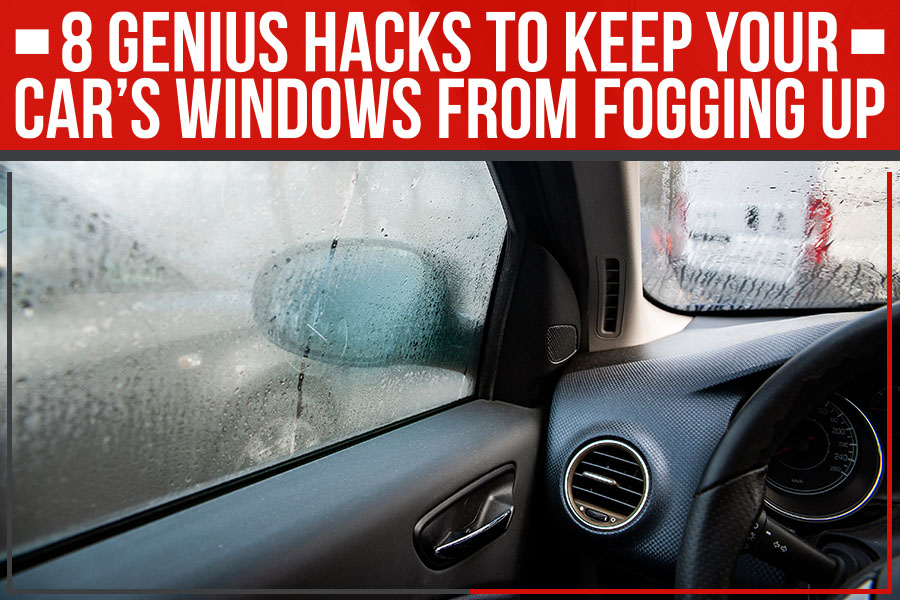
Image Source: www.yorkchryslerdodgejeepram.com
Fathoming the Fog: Why It Happens
Fog on your car windows isn’t just an annoyance; it’s a direct result of physics at play. The main culprit behind car interior fog is the difference in temperature and humidity. When warm, moist air inside your car meets the cooler surface of your windows, the water vapor in the air condenses into tiny droplets, forming that familiar fog.
Several factors contribute to this buildup of moisture:
- Human Breath: We exhale moisture! When multiple people are in the car, or when you’ve been breathing heavily (perhaps after some activity), the amount of water vapor in the air increases.
- Wet Items: Wet coats, umbrellas, floor mats, or even damp shoes can release moisture into the car’s cabin.
- Outside Humidity: On humid days, the air entering your car already carries a lot of moisture.
- Temperature Differences: The greater the difference between the inside and outside temperature, the more likely condensation is to form. A cold windshield is a prime surface for warm, moist air to condense upon.
Simple Strategies for Clear Windows
Dealing with car window condensation doesn’t require complex machinery or expensive treatments. Often, the simplest solutions are the most effective.
1. Mastering Car Ventilation
Good car ventilation is your first line of defense. It’s about managing the air inside your vehicle to reduce moisture.
- Fresh Air Intake: Always use the fresh air setting on your climate control rather than recirculation. Recirculation traps the moist air inside your car, making the problem worse.
- Cracking the Windows: Even opening your windows slightly can make a big difference. This allows moist air to escape and drier outside air to enter, balancing humidity levels. This is especially helpful on milder days.
2. Utilizing the Car Window Defroster
Your car window defroster is designed specifically to tackle this issue, and using it correctly can provide rapid relief.
- Front Defroster: This system blows air onto the windshield, often with the help of the air conditioning and a heating element, to quickly evaporate condensation.
- Rear Defroster: This uses electrical elements embedded in the glass to heat the rear window and melt frost or evaporate fog.
- Air Conditioning (AC): While it seems counterintuitive in cold weather, running your AC can actually help defog car windows. The AC system acts as a dehumidifier, removing moisture from the air before it’s heated and blown onto the windshield. So, if you have manual climate controls, turn the AC on, set the temperature to warm, and direct the air to the windshield.
3. Managing Humidity to Dehumidify Car Interior
The goal is to dehumidify car interior spaces. This means reducing the amount of water vapor present.
- Check for Leaks: Ensure your car’s seals around doors and windows are in good condition. Leaks can allow water to enter, especially during rain or snow, and remain trapped, increasing interior humidity.
- Dry Wet Items: Don’t leave damp items like towels, gym clothes, or wet umbrellas in your car. Remove them or dry them out as soon as possible.
- Floor Mats: Rubber or all-weather floor mats are easier to clean and dry than carpet mats. If your carpet mats are wet, take them out to dry.
4. Tackling Car Interior Fog with Natural Solutions
Sometimes, everyday items can be surprisingly effective in preventing foggy car windows.
- Silica Gel Packets: Those little packets you find in new shoes or electronics are excellent moisture absorbers. Place a few in strategic locations within your car, such as under seats or in door pockets. You can buy larger silica gel dehumidifier bags specifically for cars.
- Cat Litter (Unscented Clay): A breathable pouch filled with unscented clay cat litter can also act as a DIY dehumidifier. Place it where it won’t spill.
- Newspaper: Believe it or not, old newspapers can help. Stuffing some crumpled newspaper into your car overnight can absorb excess moisture.
5. Exploring Anti-Fog Car Sprays and Wipes
For a more direct approach, you can use specialized products.
- Anti-Fog Car Spray: These sprays create a thin, invisible film on the inside of your windows that prevents water droplets from forming. They are readily available at auto parts stores and online.
- Wipes: Pre-moistened anti-fog wipes offer a convenient way to clean and treat your windows simultaneously.
Application Tips for Sprays and Wipes:
- Clean First: Always clean your windows thoroughly before applying an anti-fog product. Any dirt or grime can interfere with the effectiveness of the spray or wipe.
- Even Application: Ensure an even coating across the entire interior surface of the glass.
- Buffing: Some products require light buffing with a clean, dry microfiber cloth after application to remove any streaks.
- Reapplication: Anti-fog treatments aren’t permanent. You’ll need to reapply them periodically, especially after cleaning your windows.
6. The Magic of a Clean Windshield
A clean windshield is less prone to fogging. Dirt and grime can provide surfaces for water vapor to cling to.
- Interior Cleaning: Regularly clean the inside of your car windows with a glass cleaner and a microfiber cloth. This removes any oily residue (from hands, vaping, etc.) that can attract moisture and worsen fogging.
- Microfiber Cloth: Keep a clean microfiber cloth in your car to wipe away any initial signs of fogging as it appears.
Advanced Techniques and Preventative Measures
Beyond the immediate fixes, there are longer-term strategies for preventing foggy car windows.
1. The Role of Air Conditioning
As mentioned, the AC is a powerful dehumidifier. Even on a cool day, using the AC in conjunction with your heating system can dry out the air inside your car.
- Defrost Setting: Most car defrost settings automatically engage the AC compressor to dehumidify the air.
- Manual Control: If your car doesn’t have an auto-defrost, turn on the AC, set your temperature to warm, and direct airflow to the windshield.
2. Checking for Air Leaks and Sealing
A properly sealed cabin is crucial for managing car window moisture.
- Door Seals: Inspect the rubber seals around your doors. If they are cracked or brittle, they may not be sealing effectively, allowing moist air to enter.
- Window Seals: Similarly, check the seals around your windows.
- Sunroof/Moonroof: If you have one, ensure its drains are clear and not blocked. Clogged drains can lead to water accumulating in the car.
3. Temperature Balancing
Try to keep the temperature inside your car more consistent with the outside temperature when possible.
- Gradual Heating/Cooling: Avoid drastic temperature changes. If it’s cold outside, gradually warm the interior. If it’s hot, gradually cool it.
- Pre-conditioning: If your car has remote start, use it to pre-condition the cabin to a comfortable temperature before you get in. This can help reduce the shock of temperature differences that lead to fog.
4. Addressing the Root Cause: Car Interior Moisture
Persistent fogging can sometimes indicate a deeper issue with car window moisture.
- Spills: Check for any old spills that may have seeped into carpets or upholstery.
- Leaks: As mentioned before, look for any signs of water ingress from the exterior.
- Cabin Air Filter: A clogged cabin air filter can restrict airflow, potentially impacting your defroster’s efficiency. Replacing it regularly is good maintenance.
5. Using Moisture Absorbers Consistently
For areas with high humidity or frequent fogging issues, a continuous moisture absorption strategy can be beneficial.
- Reusable Dehumidifiers: Invest in reusable dehumidifier bags that can be dried out (e.g., in a microwave or oven on low heat) and used repeatedly.
- Placement: Strategically place these absorbers in areas where moisture tends to accumulate, such as the footwells or near the rear window.
Practical Steps for Immediate Relief
When you find yourself driving with foggy windows, here’s what to do for immediate and safe results:
- Turn on the Fan: Set your fan speed to high.
- Engage Defrost: Turn on your front car window defroster to the highest setting.
- Turn on AC (If Available): Even in cold weather, turn on the air conditioning. This will dry the air.
- Fresh Air Intake: Ensure your system is set to draw in fresh outside air, not recirculate interior air.
- Crack Windows: Open windows slightly for a few seconds to allow excess moisture to escape quickly.
- Wipe with Microfiber: If a small amount of fog remains after the defroster has worked, use a clean, dry microfiber cloth to wipe the affected area.
Table: Causes and Solutions for Foggy Car Windows
| Cause | Explanation | Solution |
|---|---|---|
| Temperature Difference | Warm, moist interior air meets cold window surfaces. | Use AC with heat to dry the air. Gradually adjust interior temperature to match outside. Ensure good car ventilation. |
| High Interior Humidity | Moisture from breath, wet items, or leaks. | Use fresh air intake, not recirculation. Remove wet items. Employ moisture absorbers (silica gel, cat litter). Check for leaks. |
| Dirty Windows | Grime and residue provide surfaces for moisture to cling to. | Clean interior windows regularly with glass cleaner and microfiber cloth. |
| Leaky Seals | Allows humid outside air to enter and trapped moisture to remain. | Inspect and repair door, window, and sunroof seals. |
| Recirculation Mode | Traps moist air inside the vehicle. | Always use the fresh air intake setting. |
| Blocked Airflow | Clogged cabin air filter or debris can reduce defroster efficiency. | Replace cabin air filter regularly. Ensure vents are not blocked. |
| Lack of Air Circulation | Stagnant air holds moisture. | Use the fan on higher settings when needed. Crack windows slightly. |
| Condensation on Car Interior | General term for fogging on all interior glass surfaces. | Comprehensive application of the above methods. |
| Car Window Moisture Buildup | Excess water vapor in the cabin. | Proactive use of dehumidifiers, ensuring proper sealing, and managing sources of moisture. |
| Humid Car Interior Environment | The overall moisture level within the vehicle is high. | Consistent attention to ventilation, eliminating moisture sources, and using dehumidifying aids. |
| Preventing Foggy Car Windows | Proactive measures to stop fog from forming. | Regular cleaning, proper ventilation, using AC as a dehumidifier, and employing anti-fog products. |
| Anti-Fog Car Spray Application | Using specialized products to create a barrier against condensation. | Apply to clean glass, ensure even coverage, buff if necessary. |
| Defogging Car Windows Quickly | Immediate actions to clear fogged windows. | High fan, defroster on high, AC on, fresh air intake, crack windows. |
Frequently Asked Questions (FAQ)
Q1: Why do my car windows fog up even when it’s not raining?
Fogging occurs due to a difference in temperature and humidity between the inside and outside of your car. When warm, moist air inside your car comes into contact with cooler window surfaces, the water vapor condenses into droplets, creating fog. This can happen on any day where there’s a significant temperature difference and moisture present, regardless of rain.
Q2: Can I use a household anti-fog spray on my car windows?
It’s generally not recommended. Household anti-fog sprays may contain chemicals that can damage automotive glass coatings or tint. It’s best to use products specifically designed for automotive use.
Q3: How often should I apply an anti-fog treatment?
The longevity of an anti-fog treatment varies depending on the product and environmental conditions. Typically, you may need to reapply it every few weeks or after washing your car. Check the product’s instructions for best results.
Q4: Is it safe to drive with foggy windows?
No, it is never safe to drive with foggy windows. Impaired visibility is a major safety hazard that can lead to accidents. Always ensure your windows are clear before you start driving.
Q5: How can I prevent my car windows from fogging in winter?
In winter, the outside air is cold and dry, but your breath and body heat create a humid interior. The key is to manage interior humidity and ensure the glass is warm. Use your defroster, turn on the AC with your heat to dry the air, and use the fresh air intake. Keep your interior dry by removing snow or water from your shoes and clothing.
Q6: My car still fogs up on the outside. What causes this?
Fog on the outside of your car windows is usually caused by warm, humid air outside condensing on a colder window surface, or by rapid temperature changes. For example, if you’ve used your defroster extensively, it can warm the windshield, and if the outside air is humid, it can condense on the warmer outer surface. Using your wipers can often clear external fog.
Q7: What’s the best way to clean the inside of my car windows without streaks?
Use a good quality glass cleaner and two clean microfiber cloths. Spray the cleaner onto the first cloth, not directly onto the glass (to avoid overspray onto other surfaces). Wipe the window in a consistent pattern (e.g., side-to-side). Then, use the second dry microfiber cloth to buff the glass until it’s clear and streak-free.
By implementing these simple yet effective strategies, you can easily keep your car windows clear and ensure safe, enjoyable driving in all conditions.