
What is the typical lifespan of PPF on a car, and what factors influence its durability? The typical lifespan of Paint Protection Film (PPF) on a car is generally between 5 and 10 years, though some high-quality films can last even longer. This duration is influenced by several key factors, including the film’s quality, the installation expertise, environmental exposure, and the level of maintenance it receives.
Paint Protection Film, often referred to as PPF, is a transparent urethane film applied to your vehicle’s paintwork. Its primary purpose is to shield your car’s finish from common road hazards. Think of it as an invisible shield against rock chips, insect splatter, road salt, bird droppings, and the general wear and tear that comes from daily driving. Beyond just protection, modern PPF can also enhance your car’s appearance with a glossy finish and even offer self-healing properties for minor scratches.
This blog post will delve deep into the PPF lifespan and explore everything you need to know about paint protection film durability, car wrap longevity, the importance of the PPF warranty period, and ultimately, how long does film last and how to extend PPF life.
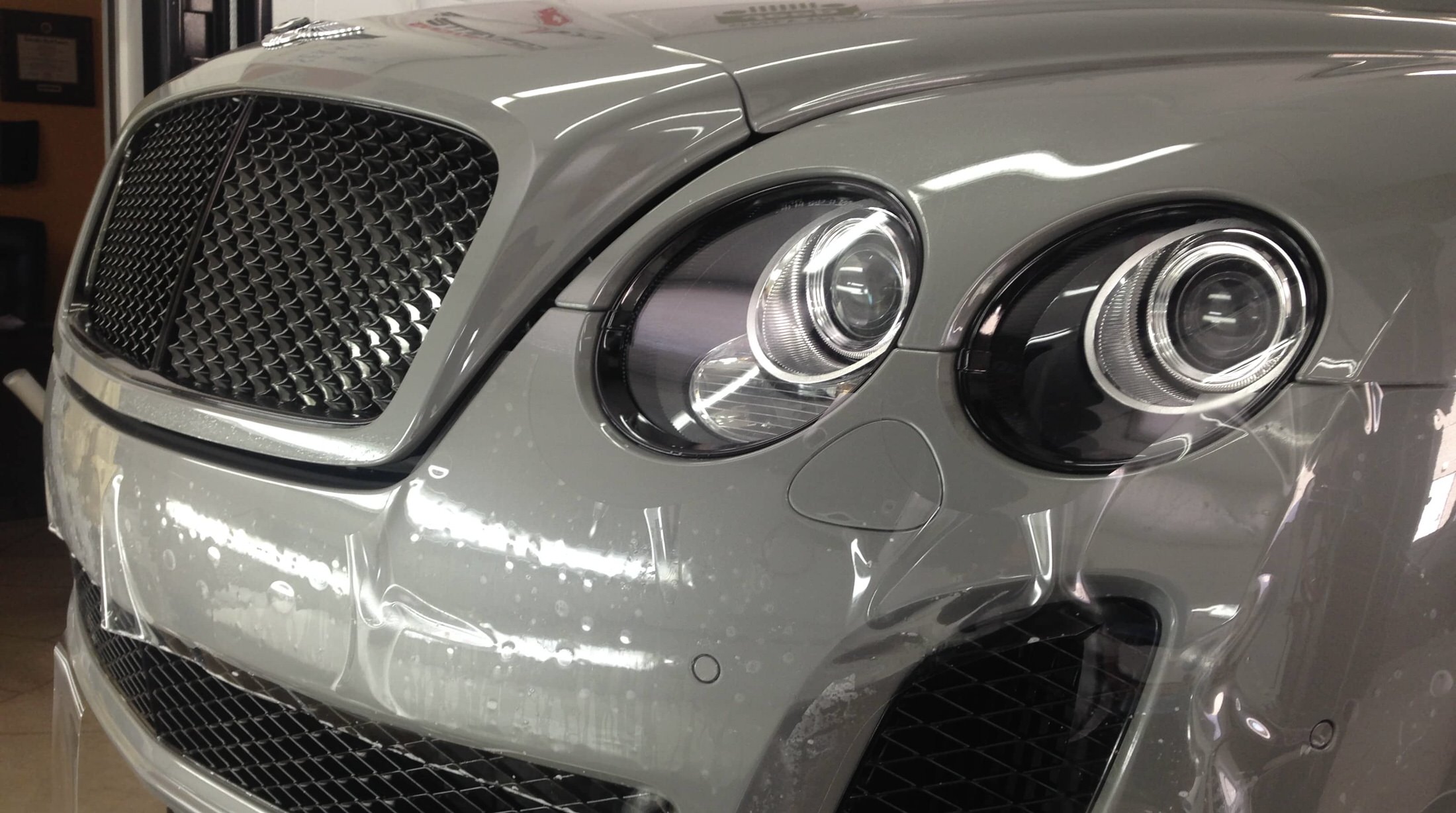
Image Source: diversityautofilms.com
Deciphering PPF Lifespan: The Core Duration
The core question on many car owners’ minds is: “How long does PPF last on a car?” As mentioned, the standard range is 5 to 10 years. However, this is not a rigid rule. Several factors contribute to how long your PPF will effectively protect your vehicle.
Key Factors Affecting PPF Durability
Several elements play a significant role in determining the actual paint protection film performance over time.
- Film Quality: Not all PPF is created equal. Premium brands invest heavily in research and development, resulting in films that are more resistant to yellowing, staining, and degradation from UV rays. Higher-quality films typically offer a longer PPF lifespan.
- Installation Expertise: A professional and meticulous installation is crucial. Improper application, such as poor adhesion, trapped air bubbles, or insufficient coverage, can significantly reduce the film’s effectiveness and lifespan. A skilled installer will ensure the film contours perfectly to your vehicle’s panels, minimizing stress points.
- Environmental Exposure: Cars parked outdoors, especially in harsh climates with intense sun, extreme temperatures, or heavy pollution, will experience greater stress on their PPF. Constant exposure to UV radiation is a major factor in film degradation.
- Maintenance Practices: Regular cleaning and proper care are essential. Harsh cleaning chemicals, abrasive washing methods, or neglecting to remove corrosive contaminants like bird droppings can damage the film and shorten its car wrap longevity.
- Film Type: There are different types of PPF. Some offer enhanced features like self-healing or hydrophobic properties. While these features are beneficial, the underlying film technology still dictates the base durability.
Comprehending PPF Warranty Period: What It Means for You
When you invest in PPF, a PPF warranty period is almost always offered by the manufacturer and installer. This warranty is a strong indicator of the expected PPF lifespan.
Typical Warranty Terms
- Material Warranty: This typically covers defects in the film itself, such as yellowing, cracking, bubbling, or delamination. Most reputable manufacturers offer a 5-year to 10-year warranty on their premium films. Some high-end products may even extend this to 12 years.
- Installation Warranty: Many professional installers also provide a warranty on their workmanship. This might cover issues related to the application, like lifting edges or bubbles that appear due to improper installation. This warranty is often shorter, perhaps 1-2 years.
What does a PPF warranty cover? Generally, it covers manufacturing defects and premature failure of the film.
What is usually NOT covered by a PPF warranty?
* Damage from accidents or impacts.
* Damage caused by improper cleaning or maintenance.
* Wear and tear from normal use that doesn’t constitute a defect.
* Yellowing due to age that is within the expected performance limits of the film.
It’s vital to read the specific warranty details provided by your installer and the film manufacturer. Understanding the terms ensures you know what to expect and how to proceed if you encounter issues.
How Long Does Film Last? Beyond the Warranty
While the warranty period is a good benchmark, the actual how long does film last can vary. The paint protection film performance over time is a continuous process.
Stages of PPF Performance
- Initial Application (Year 0-1): The film is at its peak performance. Self-healing properties are most effective, and the clarity is pristine.
- Optimal Protection (Year 1-5): The PPF continues to provide excellent protection against road debris and minor abrasions. Self-healing may become slightly less efficient but still functional for minor marks.
- Early Signs of Wear (Year 5-8): Depending on the factors mentioned earlier, you might start seeing slight yellowing in some areas, particularly on lighter-colored vehicles exposed to significant UV. Minor edge lifting might also occur if not perfectly sealed. The film’s ability to self-heal might be diminished for deeper scratches.
- Approaching End of Lifespan (Year 8-10+): The film will likely show more noticeable signs of wear. Yellowing might be more apparent, and the film’s flexibility could decrease, making it more prone to chipping or cracking from impacts. Self-healing properties will be minimal. At this stage, the PPF replacement time should be considered.
Can I Extend PPF Life?
Yes, you absolutely can! How to extend PPF life is a crucial aspect of maximizing your investment.
- Regular Washing: Wash your car regularly using a pH-neutral car soap and a microfiber wash mitt. Avoid automatic car washes with abrasive brushes.
- Proper Drying: Pat dry with a clean microfiber towel. Avoid dragging the towel, which can cause micro-scratches.
- Avoid Harsh Chemicals: Never use abrasive cleaners, solvents, or degreasers on PPF. Stick to products specifically designed for car care and protected surfaces.
- Prompt Contaminant Removal: Remove bird droppings, tree sap, and insect residue as quickly as possible. These can etch into the film if left for too long.
- Ceramic Coating: Applying a quality ceramic coating over the PPF can add an extra layer of protection, enhance gloss, and make cleaning easier. This can significantly boost paint protection film durability.
- Mindful Parking: If possible, park in shaded areas to reduce UV exposure.
- Professional Detailing: Occasional professional detailing can help maintain the film’s condition and identify any potential issues early.
The Role of Installation in PPF Longevity
The installer’s skill is as important as the film’s quality. A poorly installed film will not perform as expected, regardless of the brand.
What to Look for in an Installer
- Experience: How long has the installer or shop been applying PPF?
- Reputation: Check online reviews, testimonials, and ask for references.
- Certification: Many PPF manufacturers certify their installers.
- Showroom Quality: A professional installation environment is crucial. Dust and debris can get trapped under the film.
- Clear Communication: They should explain the process, the film’s properties, and warranty details clearly.
Installation Process Highlights
- Thorough Cleaning: The car must be meticulously cleaned and decontaminated.
- Panel Fitment: Films are often pre-cut using computer-aided design (CAD) software to perfectly match your car’s panels.
- Careful Application: Installers use specialized tools and techniques to apply the film smoothly, avoiding bubbles and wrinkles.
- Edge Sealing: Proper sealing of edges is vital for preventing lifting and water ingress.
PPF Maintenance and Longevity: A Proactive Approach
Consistent PPF maintenance and longevity go hand in hand. A little effort can go a long way in preserving the film’s appearance and protective qualities.
Routine Cleaning and Care
- Washing Frequency: Aim to wash your car every 1-2 weeks, or more often if it gets particularly dirty.
- Two-Bucket Method: Use one bucket for soapy water and another for rinsing your wash mitt. This prevents transferring grit back onto the paint.
- Microfiber Towels: Always use clean, high-quality microfiber towels for washing, drying, and polishing.
- Avoid Pressure Washers on Edges: While pressure washers can be used for general rinsing, avoid directing the high-pressure stream directly at the edges of the PPF, as this can cause lifting.
Dealing with Contaminants
- Bug and Tar Remover: Use a specialized, PPF-safe bug and tar remover for stubborn insect splatter or road tar.
- Bird Droppings: Gently wipe away bird droppings with a damp microfiber towel. If dried, soak the area with car wash soap and water before attempting removal.
- Tree Sap: Use a dedicated sap remover or isopropyl alcohol sparingly on a microfiber cloth to gently lift sap. Always rinse the area afterward.
PPF Replacement Time: When is it Necessary?
The PPF replacement time arises when the film has reached the end of its effective lifespan or has sustained significant damage.
Signs Indicating Replacement is Needed
- Significant Yellowing: If the yellowing is widespread and detracts from your car’s appearance.
- Cracking or Peeling: If the film begins to crack, peel at the edges, or show signs of delamination.
- Deep Scratches or Tears: If the film has been significantly damaged and cannot be repaired.
- Loss of Clarity: If the film becomes consistently cloudy or hazy.
- Diminished Self-Healing: If minor scratches no longer disappear after washing or sitting in the sun.
The Removal Process
Removing old PPF can be a delicate process. Heat is typically used to soften the adhesive, allowing the film to be peeled off. It’s often best left to professional installers who have the right tools and experience to remove the film without damaging the underlying paint. Sometimes, old PPF can leave adhesive residue, which requires careful cleaning.
Table: Expected PPF Lifespan vs. Factors
| Factor | Impact on Lifespan | Notes |
|---|---|---|
| Film Quality | High-quality = Longer lifespan | Premium films resist yellowing and degradation better. |
| Installation | Professional = Longer lifespan | Proper adhesion and edge sealing prevent premature failure. |
| Environment | Harsh climates = Shorter lifespan | Intense UV, salt, and pollution accelerate film wear. |
| Maintenance | Regular & proper = Longer lifespan | Consistent cleaning and contaminant removal protect the film. |
| Exposure to Sun | Prolonged UV = Shorter lifespan | UV inhibitors in the film degrade over time. |
| Chemical Exposure | Harsh chemicals = Shorter lifespan | Incorrect cleaners can damage the film’s integrity. |
| Ceramic Coating | Applied over PPF = Can extend life | Adds hydrophobic properties and UV resistance, aids cleaning. |
| Daily Driving vs. Garage | Daily driving = Shorter lifespan | More exposure to elements and road hazards. |
Automotive Paint Protection Duration: A Long-Term Investment
Considering the automotive paint protection duration, PPF is a long-term investment. While the initial cost might seem high, it protects your car’s paint, which is a significant part of its resale value.
The Value Proposition of PPF
- Preserves Resale Value: A car with pristine paintwork will always command a higher resale price. PPF helps maintain that factory-fresh look.
- Reduces Costly Repairs: It prevents minor damage that would otherwise require expensive paint correction or touch-ups.
- Peace of Mind: Knowing your car is protected from everyday hazards provides significant peace of mind for owners.
- Enhanced Aesthetics: High-quality PPF maintains its clarity and gloss, enhancing the car’s visual appeal.
PPF vs. Other Protection Methods
While ceramic coatings and waxes offer some protection, they do not provide the physical barrier against impact that PPF does. Ceramic coatings are excellent for enhancing gloss and protecting against chemical etching, but they are susceptible to rock chips and scratches that PPF can withstand. Waxes offer the least durable protection and require frequent reapplication.
Frequently Asked Questions (FAQ)
Q1: Will PPF yellow over time?
A: High-quality PPF from reputable brands is designed with UV inhibitors to resist yellowing. However, over many years, especially with prolonged exposure to harsh sunlight, some slight yellowing may occur, particularly on lighter-colored vehicles. Proper maintenance and ceramic coatings can help mitigate this.
Q2: Can I wash my car normally if it has PPF?
A: Yes, you can wash your car normally, but it’s crucial to use the right methods. Use a pH-neutral car wash soap, two buckets, and clean microfiber mitts and towels. Avoid automatic car washes with abrasive brushes and high-pressure washing directly on the film’s edges.
Q3: What happens if the PPF gets scratched?
A: Most modern PPFs have self-healing properties. Minor scratches and swirl marks can disappear on their own, especially when exposed to heat (like sunlight). For deeper scratches that don’t self-heal, the film will still provide a protective layer, but the appearance might be compromised.
Q4: How often should PPF be replaced?
A: PPF typically needs replacement between 5 and 10 years, depending on the film’s quality, installation, and environmental factors. You’ll know it’s time when you notice significant yellowing, peeling, cracking, or a loss of clarity.
Q5: Is PPF difficult to remove?
A: Removing PPF is best done by a professional installer. They use heat guns and specialized tools to safely soften the adhesive and peel the film without damaging the underlying paint. Attempting to remove it yourself without experience can lead to paint damage.
Q6: Does PPF affect my car’s paint warranty?
A: Applying PPF from a reputable installer should not void your car’s factory paint warranty. In fact, it helps protect the original paint from damage. Always confirm with your vehicle manufacturer if you have specific concerns.
Q7: How does PPF affect the car’s aesthetics?
A: PPF is virtually invisible and maintains the original look of your car’s paint. Many films also offer enhanced gloss, giving your car a deeper, richer finish. Some installers offer matte-finish PPF as well.
In conclusion, the PPF lifespan is a variable that hinges on quality, application, and care. By investing in premium film, professional installation, and consistent PPF maintenance and longevity practices, you can ensure your vehicle’s paint remains protected and looking its best for many years to come, maximizing your car wrap longevity and the overall automotive paint protection duration.