
When you buy or sell a vehicle in Oregon, you need to transfer the motor vehicle title. This process ensures the ownership of the car is legally recorded. Can I transfer a car title in Oregon without a bill of sale? While not always strictly required by the Oregon DMV for private party sales if other documentation clearly shows the sale price, having a bill of sale is highly recommended as it provides crucial details about the transaction and protects both buyer and seller. This guide breaks down how to transfer car ownership in Oregon smoothly.
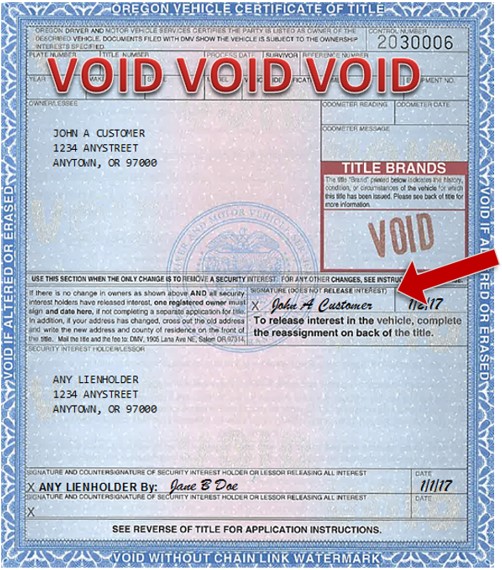
Image Source: www.oregon.gov
Completing an Oregon DMV Title Transfer
Transferring a car title in Oregon involves specific steps to make sure the change in ownership is official. Whether you are buying a car, selling a car, or even gifting one, following the correct procedure is essential. This guide aims to make the Oregon DMV title transfer process straightforward.
What You Need for a Vehicle Title Transfer in Oregon
To successfully transfer a motor vehicle title in Oregon, you’ll need a few key documents. Having these ready will speed up the process.
- The Vehicle Title: This is the most important document. It must be properly signed by the seller.
- Odometer Disclosure: For vehicles less than 10 years old, you’ll need to record the mileage.
- Lien Release (if applicable): If there was a loan on the vehicle, the lienholder must provide a release.
- Bill of Sale (Recommended): While not always mandatory for private sales if the title shows the price, it’s a good idea to have one.
- Proof of Insurance: Oregon law requires you to have at least liability insurance.
- Valid Identification: A driver’s license or other state-issued ID.
- Application for Title and/or Registration: This form is available from the Oregon DMV.
Steps for Transferring a Car Title in Oregon
Here’s a step-by-step look at how to handle an Oregon DMV title transfer.
For Sellers: Transferring Ownership
When you are selling a car in Oregon, your role in the title transfer is to provide the buyer with the necessary documentation.
- Locate the Title: Find the original Oregon motor vehicle title for the vehicle you are selling.
- Sign the Title: On the title, there will be a section for the seller to sign and print their name. Ensure all owners listed on the title sign it.
- Fill in Odometer Reading: Record the vehicle’s current mileage in the designated section. This is legally required for most vehicles.
- Provide a Bill of Sale (Recommended): Create a bill of sale that includes:
- Your name and address.
- The buyer’s name and address.
- Vehicle details (Make, Model, Year, VIN).
- Sale price.
- Date of sale.
- Signatures of both buyer and seller.
- Hand Over Documents: Give the signed title, bill of sale, and any other relevant paperwork (like a lien release) to the buyer.
- Notify the DMV: It’s a good practice to complete and submit an “Application for Correction or Duplicate Title” or a similar notification form to the Oregon DMV to inform them you have sold the vehicle. This helps protect you from future liabilities associated with the vehicle.
For Buyers: Completing the Transfer
As the buyer, you are responsible for officially changing the title into your name.
- Receive Documents from Seller: Obtain the properly signed title, bill of sale, and any other required documents from the seller.
- Complete Your Section of the Title: Fill in your name and address in the “Buyer” section of the title.
- Record Odometer Information: Ensure the seller has correctly recorded the odometer reading.
- Obtain Odometer Disclosure Statement: If the seller did not include this on the title, you may need a separate Odometer Disclosure Statement.
- Get Insurance: You must have proof of insurance for the vehicle before you can register it.
- Visit the Oregon DMV: Take all your documents to an Oregon DMV office. You will need to submit:
- The signed vehicle title.
- The bill of sale.
- Proof of insurance.
- A completed Application for Title and/or Registration form.
- Your identification.
- Pay Fees: Be prepared to pay the necessary title transfer fees and registration fees.
What Are the Title Transfer Fees in Oregon?
The cost of transferring a car title in Oregon can vary. These fees cover the administrative costs of processing the title and registration.
- Title Transfer Fee: A standard fee is charged for issuing a new title.
- Registration Fee: This is an annual fee based on factors like the vehicle’s weight and fuel type.
- Lien Filing Fee (if applicable): If you finance the vehicle, there might be a fee to record the lienholder’s interest.
- Taxes: Depending on the purchase price and if sales tax was already paid, you might owe additional use tax.
It’s best to check the official Oregon DMV website for the most current fee schedule.
Buying a Car in Oregon Title
When buying a car in Oregon, whether from a dealership or a private seller, ensuring the title transfer is done correctly is crucial for your legal ownership.
Private Party Sales
For private party sales, the process is as described above: the seller provides the signed title and bill of sale, and the buyer takes these to the DMV to complete the Oregon DMV title transfer.
Dealership Purchases
If you buy a car from a dealership, they typically handle most of the paperwork for the Oregon DMV title transfer. They will usually:
- Prepare the title application and other necessary forms.
- Submit the paperwork to the DMV on your behalf.
- Collect fees and taxes.
- Provide you with temporary registration and plates.
Always verify with the dealership what portion of the title and registration process they are managing.
Selling a Car Oregon Title
When you are selling a car in Oregon, your primary role is to facilitate the transfer of ownership legally.
Ensuring a Smooth Sale
To make the selling process smooth, ensure you have all your paperwork in order. This includes the original Oregon motor vehicle title. If you have lost your title, you will need to apply for a duplicate title from the Oregon DMV before you can sell the vehicle.
What If the Title is Lost?
If you’ve lost your motor vehicle title, you’ll need to apply for a duplicate. This process involves filling out a specific form and paying a fee to the Oregon DMV. Once you have the duplicate, you can then proceed with selling the car.
Used Car Title Transfer Oregon
When dealing with a used car title transfer Oregon, the procedures are generally the same as for any other vehicle, with a few considerations for used vehicles.
Verifying the Title
Before purchasing a used car, it’s wise to verify the title’s validity. Ensure it is free of any liens unless you are aware of and comfortable with them. Check that the Vehicle Identification Number (VIN) on the title matches the VIN on the car.
Lien Information
If a lien is recorded on the title, the seller must provide a lien release from the lender before the title can be transferred to you without the lienholder’s name on the new title. If the seller still owes money on the car, the lienholder will likely need to be involved in the transfer process.
Out of State Car Title Transfer Oregon
Transferring a title from another state to Oregon, or vice versa, has its own set of rules. For an out of state car title transfer Oregon, you’ll need to present the previous state’s title and potentially other documents.
Process for Out-of-State Vehicles
- Gather Previous State’s Title: You will need the original title from the state where the vehicle was last registered.
- VIN Inspection: Oregon may require a VIN inspection for vehicles coming from out of state, especially if the VIN cannot be easily verified or if the vehicle has been altered.
- Proof of Insurance: Oregon liability insurance is mandatory.
- Complete Oregon Forms: Fill out the Application for Title and/or Registration form.
- Pay Fees and Taxes: You will be responsible for Oregon title fees, registration fees, and any applicable use tax if you are establishing residency in Oregon.
- Surrender Out-of-State Plates: If you are registering the vehicle in Oregon as a new resident, you will need to surrender your old license plates.
It’s essential to contact the Oregon DMV directly or visit their website for the most precise requirements for out-of-state title transfers, as rules can sometimes change or have specific nuances.
Vehicle Title Transfer Requirements Oregon: Key Details
Here’s a summary of the critical vehicle title transfer requirements in Oregon.
Important Information to Note
- Timeliness: You generally have 30 days from the date of purchase to transfer the title and register the vehicle to avoid penalties.
- Odometer Tampering: It is illegal to tamper with or misrepresent a vehicle’s odometer reading.
- Watercraft and Off-Road Vehicles: The process for transferring titles for boats and off-road vehicles might differ, so check with the DMV for specific requirements.
Getting a New Car Title Oregon
Once the title transfer is complete and all fees are paid, you will receive a new car title in your name.
What to Expect
The new title will be mailed to you by the Oregon DMV. This can take a few weeks. Make sure your mailing address is correct when you submit your application.
Keeping Records
It’s always a good idea to keep copies of all the documents you submitted for the title transfer, including the bill of sale and your old title (if applicable), for your records.
FAQs About Transferring a Car Title in Oregon
Here are some common questions people have about the Oregon DMV title transfer process.
Frequently Asked Questions
Q1: How long does it take to get a new title after transferring ownership in Oregon?
A1: Typically, it takes a few weeks for the Oregon DMV to process the paperwork and mail you the new title.
Q2: Can I transfer a car title in Oregon if I don’t have the seller’s signature?
A2: No, the seller’s signature on the title is legally required to transfer ownership. If the seller is unavailable, they may need to authorize someone or you might need to seek legal assistance.
Q3: Do I need to pay sales tax when transferring a car title in Oregon?
A3: Oregon does not have a state sales tax. However, if you are bringing a vehicle into Oregon from another state, you may owe use tax based on the purchase price if sales tax was not paid in the previous state.
Q4: What if the vehicle has a lien on it?
A4: If there’s a lien, the seller must provide a lien release from the lender. Otherwise, the lien will remain on the title, and you’ll need to deal with the lienholder to clear it.
Q5: Can I transfer a car title online in Oregon?
A5: Currently, most of the title transfer process in Oregon must be done in person at a DMV office or by mail. Some preliminary steps or inquiries might be available online.
Q6: What is a Salvage Title in Oregon?
A6: A salvage title is issued to a vehicle that has been declared a total loss by an insurance company due to damage. It signifies that the vehicle is not roadworthy in its current state and must be repaired and inspected before it can be legally driven and have a rebuilt title issued.
Q7: Do I need a bill of sale for a gifted car in Oregon?
A7: While a bill of sale isn’t always mandatory for gifts if the value is zero, it’s still good practice to include one stating it’s a gift to avoid any tax questions. The DMV may ask for a statement of value.
Q8: What if I bought a car with an out-of-state title and it’s expired?
A8: You will need to work with the Oregon DMV to understand the specific requirements. You may need to get the vehicle inspected and potentially register it in the originating state first to get a valid title before you can transfer it to Oregon.
By following these steps, you can successfully navigate the process of how to transfer car title Oregon, ensuring your vehicle ownership is legally recognized. Remember to always check the latest requirements on the official Oregon DMV website, as regulations can change.