
To become a pilot car driver, you generally need a valid driver’s license, a clean driving record, and often, specific pilot car certification and training. This career path involves ensuring the safe passage of oversized or unusual loads on public roadways.
Navigating the world of oversized loads requires a specialized set of skills and knowledge. Pilot car drivers, also known as escort vehicle operators, are crucial for public safety and smooth transportation logistics. They act as the eyes and ears for the oversized vehicle’s driver, communicating potential hazards, managing traffic flow, and ensuring the load remains within legal limits and safe parameters. If you’re considering a career in this dynamic field, this comprehensive guide will walk you through everything you need to know about becoming a pilot car driver, from initial requirements to career advancement and even starting your own business.
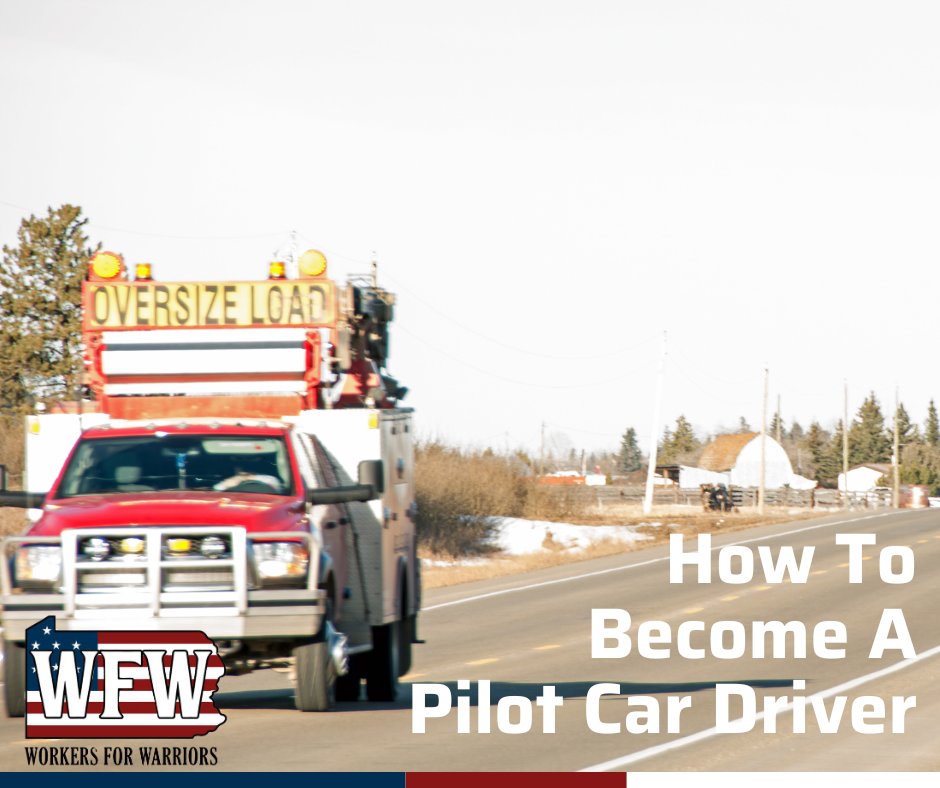
Image Source: www.workersforwarriors.com
Deciphering the Role of a Pilot Car Driver
A pilot car driver’s primary responsibility is to escort oversized or overweight vehicles and loads. This escorting is mandated by law to ensure that the movement of these massive shipments doesn’t pose a risk to other motorists, infrastructure, or the general public.
Key Responsibilities in an Oversize Load Escort
The day-to-day activities of a pilot car driver are varied and demand constant vigilance. Here’s a breakdown of their core duties:
- Route Reconnaissance: Before the main load even begins its journey, pilot car drivers often survey the planned route. This involves checking for low bridges, tight turns, narrow roads, weight restrictions, and other potential obstacles that the oversized load might encounter.
- Traffic Management: Pilot car drivers communicate with other vehicles on the road. They use specialized signage and lights to alert other drivers to the presence of the oversized load and to control traffic flow, often requiring them to briefly stop or slow down traffic.
- Communication: Constant communication is vital. Pilot car drivers maintain radio contact with the oversized vehicle’s driver, as well as with other escort vehicles if it’s a multi-vehicle escort. This ensures coordinated movements and immediate reporting of any issues.
- Safety Checks: They monitor the oversized load for any shifting, securing issues, or potential hazards during the journey.
- Legal Compliance: Ensuring all pilot car regulations and the regulations for the oversized load are met is paramount. This includes proper signage, lighting, and adherence to speed limits and route restrictions.
- Incident Response: In the event of a breakdown, accident, or other emergency, the pilot car driver plays a critical role in securing the scene and coordinating with emergency services.
Why is Pilot Car Service Essential?
The need for pilot cars arises when a vehicle or its load exceeds certain dimensions or weight limits set by state and federal authorities. These limits are in place to prevent damage to roads and bridges and to minimize the risk of accidents.
- Height Restrictions: Loads that are taller than standard overpasses require a lead pilot car to ensure clearance.
- Width Restrictions: Wider loads may necessitate an escort to warn oncoming traffic and ensure safe passage through narrow sections.
- Length Restrictions: Extra-long loads can also require pilot cars for better traffic management and to prevent dangerous overtaking situations.
- Weight Restrictions: While less common for pilot cars themselves to manage weight, the escort ensures the load’s movement doesn’t exacerbate bridge or road weight limits.
Your Career Path: From Novice to Professional Pilot Car Driver
Embarking on a career as a pilot car driver is a practical and rewarding path for those who enjoy the open road and thrive in a role that demands responsibility and sharp decision-making. The journey typically involves several key steps.
Step 1: Meeting the Fundamental Pilot Car Requirements
Before you can even think about training or certification, you need to meet basic eligibility criteria. These are the foundational building blocks for anyone looking to enter this profession.
- Valid Driver’s License: You must possess a valid, current driver’s license issued by your state or country. Some positions may require a Commercial Driver’s License (CDL), especially if you’ll be operating a vehicle that falls under CDL regulations or if you’re working for a company that requires it.
- Clean Driving Record: Most employers and clients will scrutinize your driving record. A history of DUIs, reckless driving, or numerous moving violations can be disqualifying. A clean record demonstrates your reliability and safety consciousness.
- Age Requirements: While not always a strict rule, many companies prefer drivers to be at least 21 years old, especially if they’ll be crossing state lines.
- Physical Fitness: The job can involve long hours and the need to be alert and focused. While not a formal medical exam like for CDL drivers, good health and vision are important.
- Background Check: Expect a thorough background check, as you’ll be responsible for public safety and handling potentially valuable cargo.
Step 2: Acquiring Essential Pilot Car Equipment
The right pilot car equipment is not just about compliance; it’s about safety and efficiency. Your vehicle needs to be properly outfitted to perform its duties effectively and legally.
- Vehicle Suitability: Typically, a pickup truck or a larger SUV is used. It needs to be reliable, in good mechanical condition, and capable of carrying the necessary equipment. Four-wheel drive can be beneficial in various weather conditions.
- Warning Lights: This is a critical component. Pilot cars are usually required to have flashing amber or yellow warning lights on the roof. Specific regulations vary by state, but these lights are essential for alerting other motorists.
- Signage: Large, clear signs are mandatory. This includes “Oversize Load” or “Wide Load” signs, often mounted on the rear of the pilot car or on a separate bracket. Some loads may require signs on the front as well.
- Communication Devices: A reliable two-way radio (like a CB radio) or a mobile phone is essential for communicating with the oversized vehicle driver and other escorts.
- Safety Vest and Gear: High-visibility safety vests are crucial for visibility, especially when working near traffic. Gloves, a first-aid kit, and basic tools are also recommended.
- Mapping and Navigation Tools: GPS devices, detailed maps, and route planning apps are indispensable for navigating complex routes and identifying potential issues.
Table 1: Essential Pilot Car Equipment Checklist
| Equipment Category | Specific Items | Purpose |
|---|---|---|
| Vehicle Modifications | Roof-mounted warning lights (amber/yellow) | Alerting other traffic to the presence of an oversized load |
| Signage | “Oversize Load” / “Wide Load” signs | Clearly identifying the escorted vehicle and its dimensions |
| Communication | CB Radio / Two-way Radio | Maintaining contact with the oversized vehicle and other escort personnel |
| Mobile Phone | Backup communication and emergency calls | |
| Safety Gear | High-visibility safety vest | Ensuring the driver is visible to other motorists |
| Gloves | Protection during various tasks | |
| First-aid kit | Addressing minor injuries | |
| Navigation | GPS Device / Navigation Apps | Planning and following optimal routes, identifying hazards |
| Paper Maps | Backup navigation in areas with no signal | |
| Other | Traffic cones (optional, for specific stops) | Blocking off lanes or securing areas during stops |
| Basic tool kit | Minor vehicle maintenance or adjustments |
Step 3: Pursuing Escort Vehicle Operator Training
While not always legally mandated everywhere, formal escort vehicle operator training is highly recommended and often required by reputable companies. This training provides the specific knowledge and skills needed to excel in this specialized field.
What does pilot car certification entail?
Pilot car certification programs cover a wide range of topics designed to equip you with the necessary expertise. These courses are typically offered by private training companies or industry associations.
- Pilot Car Regulations: A significant portion of the training focuses on deciphering and adhering to pilot car regulations at federal, state, and local levels. This includes understanding weight, height, width, and length restrictions, as well as specific rules for escort vehicles.
- Route Planning and Surveying: Learning how to effectively plan and scout routes is crucial. This involves identifying potential obstacles, understanding road characteristics, and evaluating the feasibility of passage for oversized loads.
- Communication Protocols: Effective communication is a cornerstone of safe escort operations. Training covers standard communication phrases, radio etiquette, and how to relay critical information clearly and concisely.
- Traffic Control Techniques: You’ll learn methods for safely managing traffic, including the proper use of warning lights and signage to alert other drivers and ensure smooth flow.
- Safety Procedures: This includes defensive driving techniques, hazard identification, emergency response protocols, and personal safety when working near active roadways.
- Load Awareness: While you’re not directly handling the load, you need to have a basic awareness of how it moves, its potential risks, and how to monitor it for safety issues.
- Legal and Ethical Responsibilities: Training will cover the legal liabilities and ethical considerations associated with being a pilot car driver, emphasizing professionalism and accountability.
Benefits of Pilot Car Certification:
- Increased Employability: Many companies specifically seek certified drivers.
- Enhanced Safety: Proper training reduces the risk of accidents and ensures safer operations.
- Professional Credibility: Certification demonstrates a commitment to the profession and a higher level of competence.
- Better Job Opportunities: Certified individuals often have access to a wider range of pilot car job opportunities.
Step 4: Obtaining Truck Escort Licensing and State-Specific Endorsements
The requirements for truck escort licensing and pilot car certification can vary significantly from state to state. It’s essential to research the specific regulations in the states where you intend to operate.
State-Specific Pilot Car Regulations:
Each state has its own Department of Transportation (DOT) or equivalent agency that governs oversized loads and the requirements for escort vehicles. These regulations often dictate:
- The need for escorts: Under what circumstances an escort is required.
- Number of escorts: Whether one or two pilot cars are needed (front, rear, or both).
- Pilot car equipment: Specific requirements for lighting, signage, and vehicle types.
- Driver qualifications: Whether specific training or certifications are mandatory.
- Route restrictions: Permitting processes for moving oversized loads.
How to Navigate Truck Escort Licensing:
- Identify Your Operating States: Determine the primary states where you plan to work.
- Research State DOT Websites: Visit the official websites of the Departments of Transportation for those states. Look for sections related to “Oversize Permits,” “Motor Carrier Services,” or “Escort Vehicle Requirements.”
- Contact State Agencies: If the information online is unclear, don’t hesitate to contact the relevant state agency directly to ask about their specific licensing and certification requirements for pilot car drivers.
- Obtain Required Certifications: If a state requires specific certifications, ensure you complete them through accredited providers.
Example of State Variations:
Some states might require you to pass a written test based on their regulations, while others might simply require proof of completion of an approved training course. Some states may also require specific endorsements on your driver’s license.
Step 5: Finding Pilot Car Job Opportunities
Once you have the necessary qualifications, training, and equipment, the next step is to find employment. There are several avenues to explore for pilot car job opportunities.
Working for Companies:
Many companies specialize in providing pilot car services for the trucking industry. These companies often handle the permitting and logistics for oversized loads, and they hire qualified drivers.
- Where to Look:
- Online Job Boards: Search sites like Indeed, LinkedIn, Indeed, and specialized trucking job boards. Use keywords like “pilot car driver,” “escort vehicle operator,” “oversize load escort,” and “truck escort.”
- Industry Associations: Websites of trucking associations or pilot car associations might list job openings.
- Direct Company Websites: Many pilot car companies list their openings directly on their “Careers” or “Employment” pages.
Becoming an Independent Pilot Car Operator:
Many pilot car drivers choose to work as independent contractors or start their own pilot car business. This offers more flexibility but also requires more entrepreneurial effort.
How to Start a Pilot Car Business:
- Business Planning: Develop a solid business plan outlining your services, target market, pricing, and financial projections.
- Legal Structure: Decide on your business structure (sole proprietorship, LLC, etc.) and register your business.
- Insurance: Obtain appropriate business liability insurance, vehicle insurance, and potentially workers’ compensation if you plan to hire others.
- Marketing: Develop a marketing strategy to attract clients, which could include a website, business cards, networking with trucking companies, and online advertising.
- Networking: Build relationships with trucking companies, oversized load haulers, and permit services.
Step 6: Continuous Professional Development and Networking
The transportation industry is constantly evolving, and staying updated is key to a successful career as a pilot car driver.
- Stay Current on Regulations: Regularly check for updates to pilot car regulations in the states where you operate.
- Advanced Training: Consider advanced training in areas like specialized escort techniques for specific types of loads (e.g., wind turbine blades, modular homes) or defensive driving courses.
- Networking: Attend industry trade shows, join trucking or pilot car associations, and connect with other professionals. This can lead to new job opportunities and valuable insights.
- Building a Reputation: Consistently provide reliable, safe, and professional service. A good reputation is invaluable in this industry.
Frequently Asked Questions (FAQ)
Q1: What is the average salary for a pilot car driver?
A1: Pilot car driver salaries can vary widely based on experience, location, whether you work for a company or as an independent contractor, and the types of loads you escort. However, many drivers can earn between $40,000 and $70,000 per year, with experienced and independent operators potentially earning more.
Q2: Can I become a pilot car driver without a CDL?
A2: In many cases, yes, you can become a pilot car driver without a CDL, especially if you are operating a standard passenger vehicle or pickup truck as the escort vehicle. However, some companies or specific escort situations might require a CDL, particularly if the escort vehicle itself is of a certain weight class or if it’s part of a larger commercial operation. It’s crucial to check the specific requirements for the jobs or companies you are interested in.
Q3: Who is responsible if an accident occurs with an oversized load?
A3: Liability in accidents involving oversized loads can be complex and depends on the circumstances. Generally, responsibility can fall on the driver of the oversized vehicle, the pilot car driver, the trucking company, or even the entity that improperly secured the load. Pilot car drivers have a duty of care to ensure safe passage, and failing to meet this duty can lead to liability. Proper training and adherence to regulations are critical for mitigating risks.
Q4: What kind of vehicle is best for pilot car work?
A4: The most common and generally preferred vehicles for pilot car work are pickup trucks or larger SUVs. These vehicles are typically reliable, have good visibility, and can comfortably accommodate the necessary pilot car equipment like warning lights and signage. Four-wheel drive can also be advantageous for navigating various weather conditions and terrains. The vehicle must be well-maintained and in good mechanical condition.
Q5: How long does it take to get certified as a pilot car driver?
A5: The time it takes to become certified can vary depending on the training program. Many pilot car operator training courses can be completed in a few days to a week. However, this is in addition to obtaining your driver’s license, ensuring a clean driving record, and potentially acquiring state-specific permits or licenses, which can take additional time.
Conclusion
Becoming a pilot car driver is a viable and often in-demand career path for individuals who are responsible, alert, and enjoy a dynamic work environment. By meeting the fundamental pilot car requirements, investing in the right pilot car equipment, seeking out quality escort vehicle operator training, and familiarizing yourself with pilot car regulations and truck escort licensing in your operating states, you can build a successful career. Whether you aim to find pilot car job opportunities with established companies or embark on the entrepreneurial journey of how to start a pilot car business, this profession offers a unique and essential service to the transportation industry. Your dedication to safety and professionalism will be your greatest assets on the road ahead.