
Yes, you can get a car wash when it’s below freezing, but it requires careful consideration and specific precautions to ensure the safety of your vehicle and the effectiveness of the wash. While the idea of washing your car in frigid temperatures might seem counterintuitive, it’s not impossible and can be done safely with the right approach.
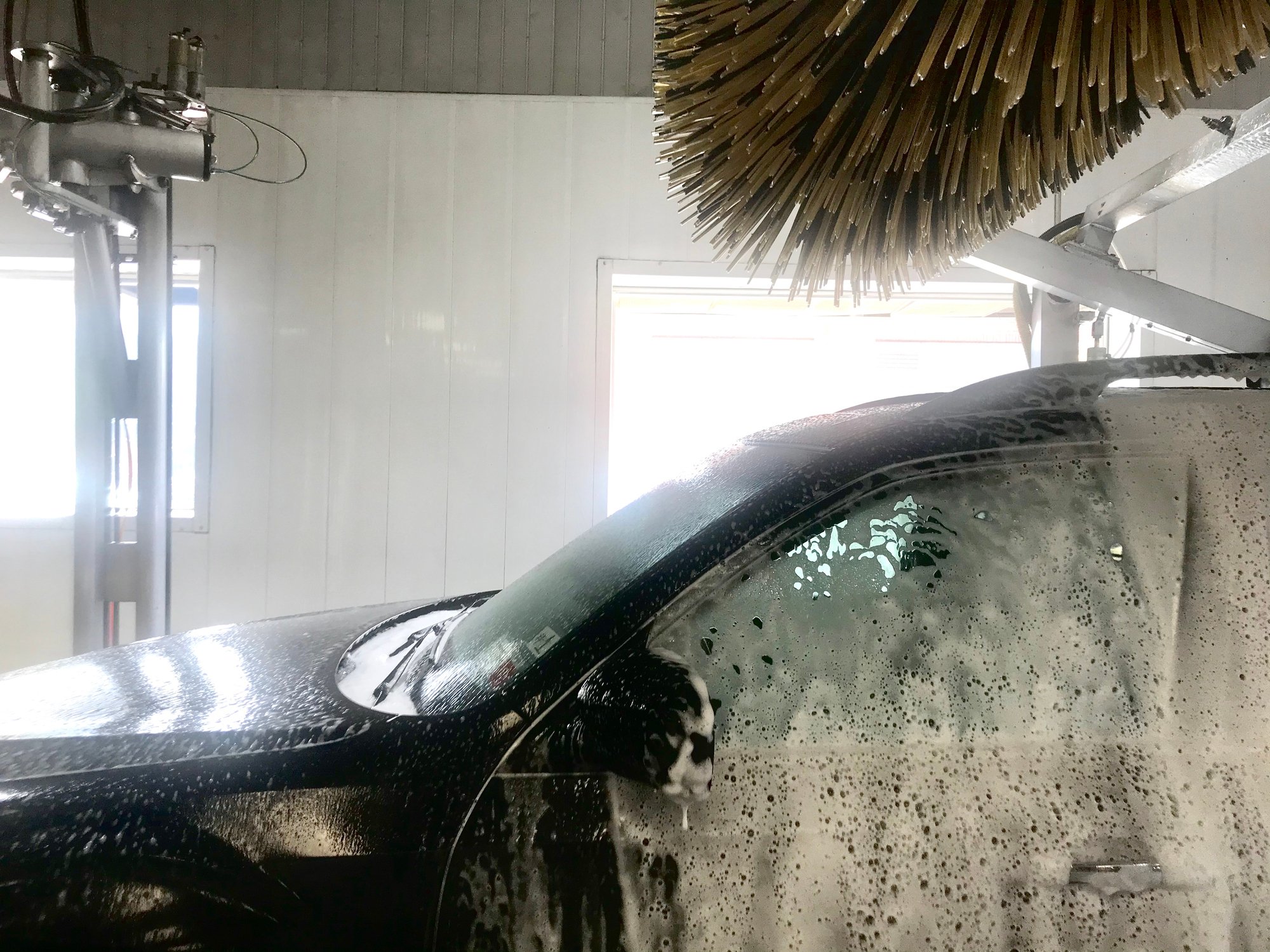
Image Source: www.thesilverlining.com
Embracing Winter Car Care: Washing Your Car in Freezing Temps
Winter presents a unique set of challenges for car owners. The salt, sand, and grime that accumulate on our roads during colder months can be highly corrosive to your vehicle’s paint and undercarriage. Regular washing, even in cold weather car wash situations, is crucial for maintaining your car’s longevity and appearance. So, the question isn’t just if you can wash your car in freezing temperatures, but how to do it safely and effectively.
The Perils of Freezing Temperatures for Your Car Wash
When the thermometer dips below 32°F (0°C), water’s behavior becomes a critical factor. Anything wet can freeze, and this is where the real concerns for washing car in freezing temps arise. Ice formation can cause a variety of problems, from minor annoyances to significant damage if not handled properly.
Ice Formation Risks
- Frozen Door Locks and Handles: Water left in keyholes or on handles can freeze, making it impossible to open your car.
- Frozen Windows and Seals: Water clinging to window seals can freeze them shut, preventing doors from opening or closing correctly. Ice buildup on windows can also impair visibility.
- Frozen Washer Fluid Nozzles: If you use water for a quick rinse, it can freeze in the nozzles, rendering your washer fluid useless when you need it most.
- Frozen Components: Water can get into various crevices, trim pieces, and even door panels. When this water freezes, it expands, potentially cracking or dislodging these parts.
- Frozen Car Wash Equipment: For automatic car washes, the equipment itself can be susceptible to freezing, leading to malfunctions or damage.
Navigating the Frozen Car Wash Landscape: Automated vs. Self-Service
When considering a frozen car wash, the type of wash you choose significantly impacts the risks and the best practices.
Automated Car Washes in Winter
Many modern automatic car washes are designed to operate in colder climates and have systems in place to mitigate freezing. However, even these have their own considerations.
- Pre-Wash Systems: Most good automatic washes will have a pre-wash system that uses heated water or de-icing agents to melt away ice and snow before the main washing process begins. This is a crucial step for car wash safety cold.
- Air Dryers: Powerful air dryers are used to blow off excess water, minimizing the chance of water freezing on the vehicle after the wash.
- Heated Bays: Some facilities may have enclosed, heated bays, though these are less common for basic washes.
When to Be Cautious with Automated Washes:
- Extreme Cold: If temperatures are exceptionally low (e.g., below 0°F or -18°C), even automated systems might struggle, and the risk of residual water freezing increases.
- Poorly Maintained Facilities: If a car wash doesn’t appear well-maintained or has visible ice buildup on its equipment, it might not be the safest option.
- Pre-existing Damage: If your car already has loose trim, cracked seals, or chipped paint, the high-pressure water and mechanical brushes could exacerbate these issues.
Self-Service Car Washes in Winter
Self-service bays can be a viable option, but they require more active participation from you to prevent freezing.
- Water Temperature: These washes typically use high-pressure water. While the water itself might be warm, the rapid cooling in the air can still lead to problems if not managed.
- Your Role: You are responsible for ensuring no excessive water is left clinging to your car.
Tips for Self-Service Washes in Freezing Temps:
- Targeted Washing: Focus on the areas that need it most, like the undercarriage, wheel wells, and lower body panels, which are most exposed to salt and grime.
- Quick and Efficient: Work quickly to minimize the time water is exposed to the cold air.
- Blow Off Excess Water: Utilize the high-pressure air blower at the self-service bay to vigorously blow off as much water as possible from all surfaces, especially door handles, mirrors, locks, and crevices.
Car Detailing Below Freezing: The DIY Approach
Car detailing below freezing is where the most significant risks lie for the average car owner. While professional detailers have specialized equipment and techniques for winter detailing, attempting a thorough wash at home when it’s well below freezing is generally not recommended.
The Risks of DIY Washing in Extreme Cold
- Water Freezing on Contact: Any water you use will likely freeze on surfaces almost instantly, creating a slick, icy layer.
- Damage to Paint and Trim: The expansion of freezing water can chip paint, crack plastic trim, and damage rubber seals.
- Frozen Door Seals: This is a common and frustrating issue. If water gets into door seals, they can freeze shut, trapping you out or in.
- Frozen Wash Mitts and Tools: Your wash mitts, brushes, and buckets can become rigid blocks of ice, making them unusable and potentially damaging.
- Personal Safety: Slipping on ice around your car is a real hazard.
When is it “Too Cold” for a DIY Wash?
Generally, if the ambient temperature is below 35°F (1.7°C), you should exercise extreme caution with any water-based washing at home. When it’s below freezing, it’s best to avoid it altogether for anything more than a very quick rinse of critical areas if absolutely necessary (like washing off road salt that’s actively melting).
Winter Car Care: Beyond the Car Wash
Winter car care extends beyond just washing. Maintaining your vehicle during the cold months involves several key practices to prevent damage and ensure optimal performance.
Essential Winter Car Care Tips
- Check Tire Pressure: Cold temperatures cause tire pressure to drop. Ensure your tires are properly inflated for safety and efficiency.
- Use Winter-Specific Washer Fluid: Standard washer fluid can freeze. Use a fluid rated for very low temperatures to keep your windshield clear.
- Protect Your Battery: Cold weather is hard on car batteries. Ensure yours is in good condition.
- Inspect Wiper Blades: Worn wiper blades won’t clear snow and ice effectively. Replace them if they’re showing wear.
- Keep Your Fuel Tank Topped Up: A fuller tank reduces condensation inside the tank, which can freeze and block fuel lines.
- Address Rust Prevention: Consider undercoating or rustproofing treatments, especially if you live in an area with heavy road salt usage. This is a proactive step in car care frozen situations.
Deciphering the Freezing Point Car Wash: What Does It Mean?
The term “freezing point car wash” can refer to several things:
- Washing in temperatures near the freezing point: This is the scenario we’ve been discussing, where temperatures are at or just below 32°F (0°C).
- Car washes that use de-icing agents: Some car washes use special solutions that lower the freezing point of water, allowing them to operate more effectively in cold weather.
- The risk of freezing: It highlights the potential for water to freeze on your car and the equipment during the wash.
Washing Car in Ice: A Cautious Approach
If you encounter a situation where you absolutely need to wash off significant ice or slush, and the temperatures are below freezing, the best advice is to do so sparingly and with extreme caution.
- Focus on Mobility: If ice buildup is preventing your wipers from working or obscuring critical lights, a targeted rinse might be necessary.
- Use Warm (Not Hot) Water: If you must use water yourself, a bucket of lukewarm water is better than icy cold. Avoid extremely hot water as it can shock the paint and potentially cause micro-cracks.
- Dry Immediately: After any rinse, use a clean microfiber towel to dry all surfaces thoroughly, paying special attention to locks, seals, and door handles.
- Consider a Professional Service: If you need a thorough wash in freezing conditions, opting for a reputable automatic car wash that is equipped for winter or a professional detailer is the safest bet.
The Science of Water and Cold: Why it Matters for Your Car Wash
Water’s unique properties are central to why car wash safety cold is a significant concern.
- Expansion Upon Freezing: Unlike most substances, water expands when it freezes. This expansion creates immense pressure within any confined space, which can crack plastics, break seals, and damage paint.
- Heat Transfer: Water is an excellent conductor of heat. When it’s cold outside, water rapidly loses heat to the surrounding air. This is why water left on your car’s surface can quickly freeze.
- Adhesion: Water can cling to surfaces through adhesion, especially in tiny crevices and along seals. These small pockets of water are the most susceptible to freezing and causing problems.
When to Absolutely Avoid a Car Wash in Winter
There are certain conditions when attempting any kind of car wash, even an automatic one, is best avoided.
- Extreme Cold: If the temperature is significantly below freezing (e.g., below 10°F or -12°C), the risk of residual water freezing on your car is very high.
- Rapidly Freezing Conditions: If the forecast predicts immediate freezing rain or very rapid temperature drops after the wash, it’s wise to wait.
- Car Wash Appearance: If the car wash facility itself is heavily iced over, or if you see ice forming on the ground around it, it’s a sign that the conditions are too harsh for safe operation.
- Your Car’s Condition: If your car has pre-existing issues like chipped paint, loose trim, or worn-out seals, the forces involved in a cold weather car wash could worsen these problems.
Alternatives to Traditional Washing in Deep Winter
If you can’t or shouldn’t wash your car traditionally, here are some alternatives for maintaining winter car care:
- Waterless Car Wash Sprays: These products use specialized cleaning agents that encapsulate dirt, allowing it to be wiped away safely with microfiber towels. They are excellent for light dust or grime and can be used in colder temperatures, though you’ll still need to be mindful of freezing if you use too much product.
- Rinseless Wash Products: Similar to waterless washes, these require only a small amount of water and a bucket. The dirt is lifted from the surface and contained within the wash solution, minimizing the risk of scratching. You still need to be diligent about drying.
- Quick Rinse (with Caution): If your primary goal is to remove road salt from the undercarriage or critical areas, a very quick rinse with lukewarm water, followed by immediate and thorough drying, can be a temporary solution. However, this carries risks.
The Benefits of a Clean Car in Winter
Despite the challenges, keeping your car clean during winter offers significant benefits:
- Corrosion Prevention: The primary benefit is preventing damage from road salt and chemicals. These are highly corrosive and can eat away at your car’s paint, metal, and undercarriage over time.
- Improved Visibility: Clean windows, mirrors, and lights are essential for safe driving in winter conditions.
- Maintaining Resale Value: A car that has been regularly maintained, including washing, will hold its value better.
- Aesthetics: While functionality is key, keeping your car clean can also improve your driving experience and morale.
Frequently Asked Questions (FAQ)
Q1: Can I wash my car at home when it’s freezing?
A1: It is generally not recommended to wash your car at home when temperatures are below freezing due to the high risk of water freezing on your car, potentially causing damage. If you must, use minimal water, focus on essential areas, and dry immediately and thoroughly.
Q2: Are automatic car washes safe in freezing temperatures?
A2: Most modern automatic car washes are equipped to handle freezing temperatures. They often use pre-wash systems with heated water or de-icing agents and powerful air dryers. However, in extreme cold or at poorly maintained facilities, there’s still a risk.
Q3: What happens if water freezes on my car after a wash?
A3: If water freezes on your car, it can cause several problems. It can freeze door locks and seals shut, preventing access to your vehicle. The expansion of freezing water can also crack paint, damage trim, and weaken rubber components.
Q4: How can I prevent my car doors from freezing shut after a wash?
A4: The best way to prevent this is to dry your car thoroughly after washing, paying close attention to door seals, handles, and locks. You can also apply a silicone lubricant or a de-icing spray to rubber seals to prevent them from freezing.
Q5: Is it better to use a self-service car wash or an automatic one in winter?
A5: Both have pros and cons. Automatic washes offer convenience but can be more aggressive. Self-service washes give you more control but require you to be diligent about drying. Choose a reputable facility, regardless of type, and be prepared to dry your car meticulously.
Q6: What is the safest temperature for washing a car?
A6: The safest temperatures for washing a car are above 40°F (4°C). When temperatures approach or go below freezing, extra precautions are necessary.
Q7: Can I use hot water to wash my car in the cold?
A7: While warm water is better than cold, using very hot water can shock your car’s paint and potentially cause microscopic cracks, especially if the car is already cold. Lukewarm water is a safer choice.
Q8: What about washing the undercarriage in winter?
A8: Washing the undercarriage is crucial in winter to remove corrosive road salt. If you do this in freezing temperatures, use a high-pressure wash that can quickly dislodge salt and grime, and ensure that water doesn’t pool in vulnerable areas. Automated washes with undercarriage sprayers are often best for this.
Q9: My car is covered in ice. Can I just spray it with hot water?
A9: No, never spray your car with hot water when it’s covered in ice. The sudden temperature change can cause the glass to crack or the paint to chip. Use a de-icer spray or a very gentle flow of lukewarm water and a soft brush, and then dry thoroughly.
Q10: How can I ensure my car wash is safe when washing car in ice conditions?
A10: Prioritize drying. After any wash, use towels and air blowers to remove as much moisture as possible from every surface, crevice, and opening. This is the most critical step in car care frozen situations.