
Image Source: 23b2c574.rocketcdn.me
Is It Safe? Can You Drive A Totaled Car?
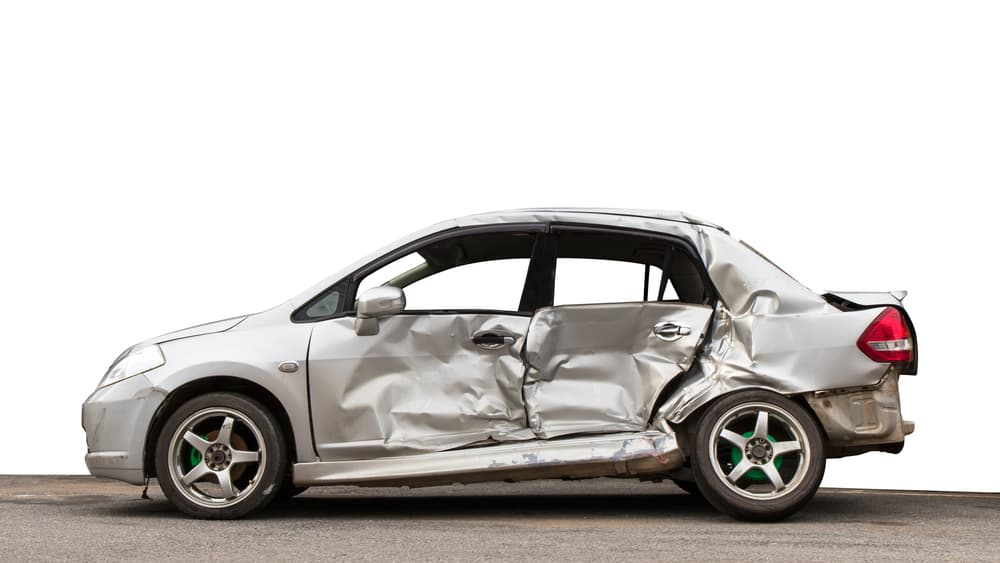
Can you legally drive a totaled car? The short answer is: generally, no, not in its totaled state, and often not at all without proper repairs and inspections. A car is declared “totaled” when the cost of repairs exceeds its market value. While it might seem like a minor inconvenience, driving a car that has been deemed a total loss carries significant risks and legal ramifications. This post will delve into the complexities of driving a totaled car, exploring the safety concerns, legalities, and what you need to know.
The Meaning of a “Totaled” Car
When an insurance company declares a vehicle “totaled,” it means the cost to repair the damage, including parts and labor, is more than the car was worth before the accident or incident. This doesn’t necessarily mean the car is inoperable or destroyed beyond repair, but rather that it’s no longer economically viable for the insurer to fix it. The insurer will then typically pay the owner the car’s actual cash value (ACV) and take possession of the damaged vehicle.
However, there’s a nuance: sometimes owners can choose to “buy back” their totaled vehicle from the insurance company. This is where the question of can I keep driving a totaled car becomes relevant. If you buy back a totaled car, it will likely receive a “salvage” title.
Driving a Car After Being Totaled: The Risks and Realities
The primary concern when considering driving a totaled car is safety. A vehicle declared totaled has sustained significant damage. This damage can compromise the structural integrity of the vehicle, affecting its ability to absorb impact in a future collision. Key safety systems, such as airbags, anti-lock brakes, and even the chassis itself, could be compromised.
Here’s a breakdown of why driving a totaled car is generally not advisable without extensive, professional refurbishment:
- Structural Compromise: The frame or unibody of the car might have been bent or twisted. Even if repaired, it may not provide the same level of protection in a subsequent accident.
- Compromised Safety Systems: Airbags might not deploy correctly, or at all. Seatbelt pretensioners could be damaged. Anti-lock braking systems (ABS) and electronic stability control (ESC) might have underlying damage that isn’t immediately apparent.
- Hidden Damage: The initial assessment of damage might miss critical components that are also affected, such as the engine, transmission, or electrical systems.
- Water Damage: If the car was submerged in floodwaters, even if it appears to be working, there could be long-term electrical corrosion and mechanical issues that are not visible.
Driving a Car with a Salvage Title: The Legal Maze
If you decide to keep your totaled car and repair it, it will be issued a salvage title. This title signifies that the vehicle has been damaged to the extent that its estimated repair cost exceeded its value. Driving a car with a salvage title is a complex legal issue, and regulations for driving totaled cars vary significantly by state and country.
In most jurisdictions, you cannot legally operate a vehicle with a salvage title on public roads until it has been inspected and repaired to meet certain safety standards. After these repairs, the vehicle can then be re-titled as “rebuilt” or “reconstructed.”
Requirements for driving a salvaged car typically include:
- Professional Repairs: Repairs must be performed by qualified mechanics, often documented with receipts.
- Safety Inspection: The vehicle must pass a rigorous state-mandated safety inspection. This inspection is designed to ensure that all critical systems are functioning correctly and that the vehicle is safe to operate. This may include checks on:
- Brakes
- Steering and suspension
- Lights and signals
- Tires
- Structural integrity (in some states)
- Re-titling Process: After passing the inspection, the vehicle can be re-titled as “rebuilt.”
Without this process, you are essentially operating a wrecked car illegally, which can lead to severe penalties.
Consequences of Driving a Totaled Car Illegally
The consequences of driving a totaled car without proper re-titling and inspection can be severe:
- Fines and Penalties: You could face significant fines for operating an unroadworthy vehicle.
- Vehicle Impoundment: Law enforcement officers have the right to impound your vehicle if it is found to be unsafe or improperly titled.
- Insurance Issues: Your insurance policy may be voided if you are involved in an accident while driving a vehicle that is not legally registered or is deemed unroadworthy due to its totaled status. This means you would be personally liable for any damages or injuries.
- Difficulty Selling: A vehicle with a salvage title is significantly harder to sell, and its resale value plummets. Buyers are often wary due to the history of severe damage.
- Legal Liability in Accidents: If you cause an accident while driving a vehicle that should not be on the road, your legal and financial liability could be immense.
The Difference: Salvage vs. Rebuilt Title
It’s crucial to distinguish between a “salvage” title and a “rebuilt” title.
- Salvage Title: This indicates the vehicle has been declared a total loss by an insurance company. It cannot be legally driven on public roads.
- Rebuilt Title: This means a vehicle that previously held a salvage title has been repaired and passed a state safety inspection. It can then be legally driven and insured.
So, to reiterate, is it safe to drive a totaled car? Only if it has been through the proper rebuilding and re-titling process, and even then, caution is advised due to the underlying history of significant damage.
Can You Keep Driving a Totaled Car? The Options
If your car is totaled, you have a few primary options:
- Let the Insurance Company Take It: This is the most common and often the safest route. The insurer pays you the ACV and handles the disposal of the vehicle.
- Buy It Back from the Insurance Company: If you have an emotional attachment or believe you can repair it affordably, you can negotiate to buy the car back. It will then be issued a salvage title.
- Sell It “As Is”: You can sell the totaled vehicle to a salvage yard or a private party who may intend to repair it or use it for parts. You must disclose the vehicle’s totaled status.
Driving a Salvage Vehicle: What You Need to Know
If you opt to buy back your totaled car and pursue a rebuilt title, you are essentially looking at driving a salvage vehicle. The process is rigorous and designed to ensure safety.
Here’s a simplified overview of the steps involved in getting a salvage vehicle roadworthy again:
- Acquire Necessary Parts: This can involve sourcing used or new parts.
- Perform Repairs: Major structural repairs and replacement of damaged safety components are essential.
- Obtain Documentation: Keep meticulous records of all repairs and parts purchased. This is often required for the inspection.
- Pass State Inspection: This is the critical hurdle. The inspection will vary by state but generally covers all essential safety features.
- Re-title the Vehicle: Once it passes inspection, you can apply for a rebuilt title.
Table: Common Inspection Points for Rebuilt Titles
| Component | What is Checked |
|---|---|
| Frame/Chassis | Straightness, absence of cracks or excessive welds |
| Brakes | Pad/shoe thickness, rotor condition, fluid level, performance |
| Steering System | Play in steering, tie rod ends, ball joints, power steering |
| Suspension | Shock absorbers, struts, springs, control arms, alignment |
| Lighting | Headlights (high/low beam), taillights, brake lights, turn signals, hazard lights |
| Tires | Tread depth, condition, proper inflation, correct size |
| Windshield/Glass | Cracks, chips, visibility obstructions |
| Seatbelts | Condition, proper function, locking mechanism |
| Airbags | Indicator lights, absence of deployed airbags |
| Exhaust System | Leaks, damage, proper emissions functioning (if applicable) |
| Horn | Functionality |
Is it Safe to Drive a Totaled Car? A Final Word
The question, “Is it safe to drive a totaled car?” cannot be answered with a simple yes or no. If “totaled” means it still has a salvage title and has not undergone the extensive, certified repairs and inspections required to earn a rebuilt title, then the answer is a resounding no. The risks to yourself, your passengers, and other road users are simply too great.
Even with a rebuilt title, it’s important to be aware that the vehicle has a history of significant damage. While the inspection process is designed to ensure safety, it’s not a guarantee against every potential long-term issue stemming from the original damage. If you are considering purchasing a vehicle with a rebuilt title, or if your own vehicle has been totaled, thorough due diligence is paramount.
Frequently Asked Questions (FAQ)
Q1: Can I drive a totaled car with a salvage title?
A1: No, in most places, you cannot legally drive a vehicle with a salvage title on public roads. It must be repaired and inspected to earn a “rebuilt” or “reconstructed” title.
Q2: What happens if I drive a totaled car without getting a rebuilt title?
A2: You risk fines, having your vehicle impounded, insurance issues, and significant legal liability if you are involved in an accident.
Q3: How do I get a rebuilt title for my totaled car?
A3: You will need to repair the vehicle according to specific safety standards and then have it pass a state-mandated safety inspection. After passing, you can apply for a rebuilt title.
Q4: Is a car with a rebuilt title as safe as a car that has never been totaled?
A4: While a rebuilt title indicates it has passed safety inspections, the underlying structural damage can still be a concern. It’s wise to have it thoroughly inspected by an independent mechanic you trust.
Q5: Can I sell a car with a salvage title?
A5: Yes, but you must disclose that it has a salvage title. The resale value will be significantly lower than a comparable vehicle with a clean title.