
No, low brake fluid by itself does not directly cause your car not to start. Your car’s starter motor and ignition system are what enable it to crank and begin the engine’s operation. However, a very low brake fluid level can be an indicator of a much larger issue within the braking system, and this broader issue might indirectly affect your ability to start or drive your car.
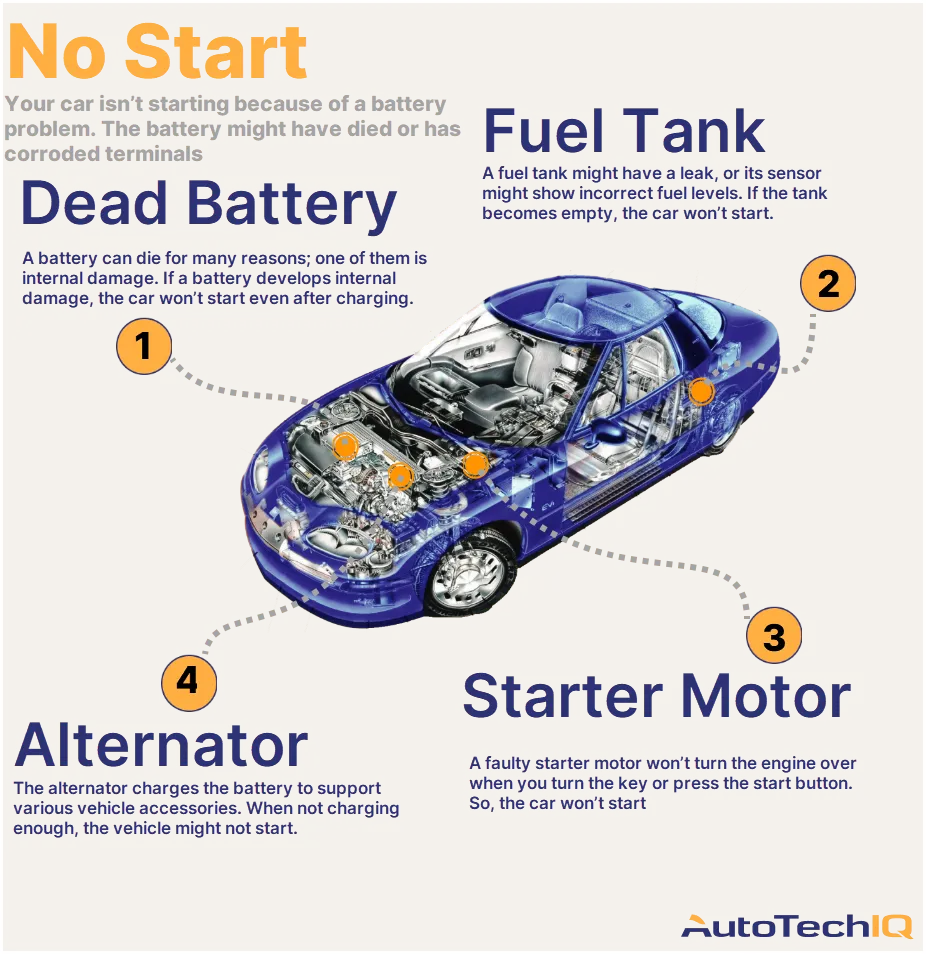
Image Source: www.autotechiq.com
Deciphering the Connection: Brake Fluid and Starting Issues
It’s a common misconception that a problem with one part of your car can’t affect another. While low brake fluid doesn’t directly jam the engine’s starting mechanism, it’s often a symptom of a more serious underlying problem that could prevent your car from starting. Let’s explore this intricate relationship.
The Vital Role of Brake Fluid
Brake fluid is a hydraulic fluid that transfers force from your brake pedal to the brake pads. When you press the brake pedal, you push a piston in the master cylinder. This action pressurizes the brake fluid, which then travels through brake lines to the calipers or wheel cylinders. These, in turn, push the brake pads against the rotors or shoes against the drums, slowing or stopping your vehicle.
What Low Brake Fluid Really Means
A low brake fluid level in your master cylinder reservoir is almost always a warning sign. Here’s why:
- Worn Brake Pads: As brake pads wear down, the brake calipers extend further to push the pads against the rotors. This increased distance means more brake fluid is needed to fill the gap, causing the fluid level in the master cylinder to drop. This is a normal occurrence, but if the fluid level drops significantly, it indicates very worn pads.
- Brake Fluid Leak: The most concerning reason for low brake fluid is a leak within the braking system. This could be a faulty brake line, a worn caliper seal, a damaged wheel cylinder, or a leaky master cylinder. Any leak means the hydraulic pressure needed for effective braking is compromised.
Why a Brake System Problem Might Seem to Affect Starting
While the starter motor and ignition system are separate from the braking system, a severe issue with your brakes could indirectly lead to situations where you perceive a starting problem.
The Brake Light Switch
Many modern vehicles have a brake light switch. This switch is activated by pressing the brake pedal. Its primary function is to turn on your brake lights when you slow down. Importantly, some vehicles also use this switch as part of the starting interlock system.
- Interlock Function: In these cars, the brake light switch must be in a certain position (indicating the brake pedal is not pressed, or sometimes the opposite, depending on the design) for the car to start. If there’s a problem with the brake pedal mechanism or the switch itself, it might prevent the car from starting because the car’s computer believes it’s unsafe to start.
- How Low Fluid Connects: While a low brake fluid level itself doesn’t directly affect the brake light switch, a severe leak could lead to a situation where the brake pedal feels spongy or goes to the floor. If this affects the normal travel or engagement of the brake pedal, it could interfere with the brake light switch’s operation, potentially preventing the car from starting in very specific, albeit rare, circumstances.
The Parking Brake System
In manual transmission vehicles, and some automatics, engaging the parking brake is often a prerequisite for starting, or at least a safety precaution. While unrelated to brake fluid levels, a malfunctioning parking brake might be a symptom of broader issues that could also manifest as other car problems.
Fluid Leaks Affecting Other Systems (Rare)
In extremely rare cases, a significant brake fluid leak could contaminate other components under the hood, though this is highly unlikely to directly impact the starting system. The primary concern with a brake fluid leak is always compromised braking performance.
When Low Brake Fluid is a Serious Concern
The most immediate and dangerous consequence of low brake fluid is compromised braking. If the fluid level is too low, or if there’s air in the brake lines due to a leak, you may experience:
- Spongy Brake Pedal: The pedal feels soft and less firm.
- Longer Stopping Distances: Your car takes much longer to stop.
- Brake Pedal Goes to the Floor: In severe cases, the pedal may sink all the way to the floor without engaging the brakes effectively.
These braking system issues are paramount and require immediate attention, irrespective of any perceived starting problems.
Common Causes of Low Brake Fluid
Let’s delve deeper into the common culprits behind a falling brake fluid level.
Worn Brake Pads and Rotors
This is the most frequent reason for a gradual decrease in brake fluid level.
- Mechanism: As brake pads wear down, they become thinner. To maintain contact with the rotor, the caliper pistons must extend further out from the caliper body. This extension displaces more brake fluid from the master cylinder reservoir into the brake lines and calipers.
- Diagnosis: You might also notice a squealing or grinding noise when braking, or the brake pedal might feel softer than usual.
- Action: Replacing worn brake pads and potentially rotors is necessary. This will bring the fluid level back up to its normal range after the pistons are retracted.
Brake Fluid Leaks
This is a more serious issue as it directly compromises the integrity of your braking system. Leaks can occur at various points:
- Brake Lines: These metal or rubber tubes carry the fluid. Rust, corrosion, or physical damage can cause them to leak. Rubber brake hoses can also degrade over time, becoming brittle and cracking.
- Calipers: The caliper houses the pistons that push the brake pads. Seals within the caliper can wear out or become damaged, leading to leaks.
- Wheel Cylinders (Drum Brakes): In vehicles with drum brakes, wheel cylinders have seals that can fail, allowing brake fluid to leak out.
- Master Cylinder: The master cylinder converts pedal force into hydraulic pressure. If its seals fail, fluid can leak internally or externally. A leak from the master cylinder reservoir is often visible.
Signs of a Brake Fluid Leak:
- Puddles under your car: Brake fluid is typically amber or light brown in color and has a slightly oily feel.
- Soft or spongy brake pedal: This is a classic symptom.
- Warning lights on the dashboard: Many cars have a brake system warning light that illuminates when the fluid level is critically low or when there’s a pressure issue.
- The smell of burning rubber or oil: Leaking fluid can sometimes get onto hot brake components.
Distinguishing Brake Fluid Issues from Starting System Problems
It’s crucial to differentiate between symptoms.
Car Not Starting – Primary Symptoms:
- No Crank: You turn the key, and nothing happens. No sound from the engine trying to turn over. This points to a battery, starter motor, ignition switch, or neutral safety switch issue.
- Clicking Sound: You turn the key, and you hear a single loud click or rapid clicking. This often indicates a weak battery or a faulty starter solenoid.
- Engine Cranks but Won’t Start: The engine turns over, but it doesn’t catch and run. This suggests issues with fuel delivery, spark, or air intake.
Braking System Issues (Including Low Brake Fluid):
- Spongy or soft brake pedal.
- Brake pedal goes to the floor.
- Reduced braking effectiveness.
- Brake warning light illuminated.
- Grinding or squealing noises during braking.
- Visible leaks of amber/brown fluid under the car.
Can Low Brake Fluid Cause Car Starting Problems? A Deeper Look
Let’s revisit the core question. The direct answer remains no. However, we need to consider the indirect ways a compromised braking system might manifest as a starting issue or prevent a vehicle from operating safely.
The Brake Pedal Position Sensor
Many modern vehicles use sensors to monitor the position of the brake pedal. These sensors communicate with the Engine Control Unit (ECU) for various functions, including:
- Cruise Control Deactivation: Applying the brakes disengages cruise control.
- Transmission Shifting: In automatic transmissions, the brake pedal must be pressed to shift out of Park.
- Start-Interlock Systems: As mentioned, some systems might require the brake pedal to be in a specific position (or for the brake pedal switch to be correctly activated) before allowing the engine to crank.
If a severe brake fluid leak causes the brake pedal to sink to the floor, it might prevent the brake pedal position sensor or switch from returning to its “at rest” position. This could, in turn, signal to the car’s computer that it’s unsafe to start the engine.
Table 1: Differentiating Starting vs. Braking Symptoms
| Symptom | Likely Cause | Related to Brake Fluid? |
|---|---|---|
| No Crank / Clicking Sound | Battery, Starter Motor, Ignition Switch | No (Directly) |
| Engine Cranks but Won’t Start | Fuel, Spark, Air Issues | No (Directly) |
| Spongy/Soft Brake Pedal | Air in lines, Low fluid, Worn pads/lines | Yes |
| Brake Pedal Goes to Floor | Severe leak, Air in lines, Master cylinder | Yes |
| Brake Warning Light On | Low fluid, Parking brake engaged, System fault | Yes |
| Car won’t start, and brake pedal is low | Possible brake pedal switch/sensor issue | Indirectly |
Safety First: The Priority of Your Braking System
It’s essential to prioritize your car’s braking system. If you notice your brake fluid level is low, or if you experience any of the symptoms of compromised braking, you must address it immediately. Driving a car with faulty brakes is extremely dangerous.
What to Do If Your Brake Fluid is Low
- Check the Fluid Level: Locate the brake fluid reservoir under the hood. It’s usually a translucent plastic container with markings for “MIN” and “MAX.”
- Inspect for Leaks: Look for any signs of fluid leaks around the reservoir, master cylinder, brake lines, calipers, and wheel cylinders.
- Assess Brake Pad Wear: If you suspect worn pads, a mechanic can inspect them.
- Do NOT Simply Top Up: If the fluid is low due to a leak, simply adding more fluid is a temporary fix and doesn’t address the underlying problem. It could also mask a serious issue.
- Consult a Mechanic: If you suspect a leak or significant wear, it’s crucial to have your braking system inspected and repaired by a qualified mechanic.
The Interplay of Systems: A Holistic View
Modern vehicles are complex systems where different components are interconnected. While a low brake fluid level doesn’t magically disable your starter motor, it’s a critical indicator of potential failures within the braking system.
- Preventative Maintenance: Regular checks of your brake fluid level and the overall condition of your braking system are vital. This proactive approach can prevent minor issues from escalating into major problems, including those that might indirectly affect your car’s starting capabilities or, more importantly, its safety.
- Diagnostic Alerts: Car dashboards are equipped with various warning lights to alert drivers to potential problems. A brake system warning light should never be ignored.
Frequently Asked Questions (FAQ)
Q1: If my car won’t start, could it be the brake fluid?
A1: No, low brake fluid itself does not directly cause a car not to start. The starting system (battery, starter motor, ignition) is separate from the braking system. However, a severe brake fluid leak could lead to a situation where the brake pedal malfunctions, potentially affecting a safety interlock switch that prevents starting in some vehicles.
Q2: What are the signs of low brake fluid?
A2: The most common signs are a spongy or soft brake pedal, longer stopping distances, the brake pedal going to the floor, and a brake warning light on the dashboard. You might also see visible leaks of brake fluid under your car.
Q3: Can I just add brake fluid if the level is low?
A3: Only if the low level is due to normal brake pad wear and there are no signs of leaks. If there’s a leak, adding fluid is a temporary measure and doesn’t fix the underlying problem. It’s always best to have the braking system inspected by a professional if the fluid level is unexpectedly low.
Q4: What happens if I drive with low brake fluid?
A4: Driving with low brake fluid is extremely dangerous as it significantly compromises your car’s ability to stop. You will experience reduced braking effectiveness, and in severe cases, your brakes may fail entirely.
Q5: How often should I check my brake fluid?
A5: It’s recommended to check your brake fluid level at least once a month, along with other essential fluids like oil and coolant. Inspecting the condition of your brake pads and lines should also be part of regular vehicle maintenance.
Q6: If my car won’t crank, and the brake pedal feels soft, what should I do?
A6: This situation requires immediate attention. It suggests a problem with your braking system. Do not attempt to drive the vehicle. Have it towed to a reputable mechanic to diagnose and repair the braking system issues. Once the braking system is functioning correctly, any potential starting interlock issues related to it should be resolved.
Q7: What type of brake fluid should I use?
A7: Always refer to your car’s owner’s manual for the specific type of brake fluid recommended (e.g., DOT 3, DOT 4, DOT 5.1). Using the wrong type of brake fluid can damage your braking system.
Conclusion: Safety and Awareness
While low brake fluid is not a direct cause for your car not starting, it’s a critical indicator of potential problems within your braking system. These issues, particularly those affecting the brake pedal’s operation, could, in rare instances, indirectly trigger safety interlock mechanisms that prevent the engine from starting. The paramount concern, however, remains the safety hazard posed by compromised braking. Always address any signs of low brake fluid or other braking system anomalies immediately to ensure your safety and the reliability of your vehicle.