
Can you remove paint from a car seat? Yes, you absolutely can remove paint from a car seat, and this guide will walk you through the easiest and most effective methods. Whether it’s a small splatter, a dried drip, or a larger spill, car seat paint stain removal is achievable with the right approach and a bit of patience. We’ll cover cleaning paint off car upholstery, tackling various paint types, and even address how to get paint off leather car seats.
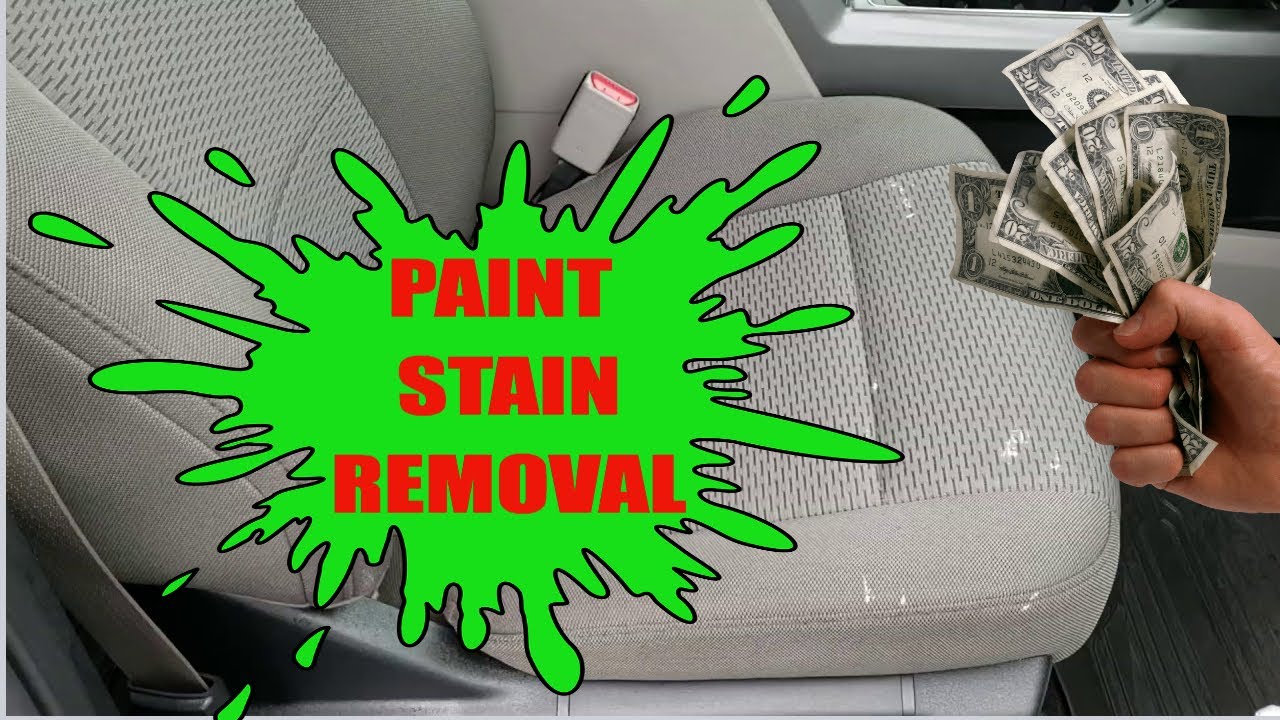
Image Source: i.ytimg.com
Common Paint Spill Scenarios in Cars
Paint spills in cars are more common than you might think. Kids with art projects, DIY car detailing gone wrong, or even accidental drips from a leaky can can lead to a painted car seat. Knowing how to deal with these situations quickly can save your upholstery from permanent damage.
- Accidental drips: A tiny drop of paint can land unnoticed until it dries.
- Kid’s art time: Creative sessions in the car can sometimes get messy.
- Home improvement projects: Transporting painted items often leads to interior mishaps.
- DIY detailing: Using spray paint or touch-up paint for car repairs can result in overspray.
Fathoming the Type of Paint
The first step in successful auto seat paint spill cleanup is to identify the type of paint you’re dealing with. Different paints require different removal techniques.
Water-Based Paints (Latex, Acrylic)
These are generally easier to remove, especially when fresh.
- Characteristics: Water-soluble, low odor, quick drying.
- Removal Ease: High, particularly when wet. Dried acrylic paint from car seat needs more effort.
Oil-Based Paints (Enamel, Oil-Based Enamel)
These paints are more stubborn and require stronger solvents.
- Characteristics: Solvent-based, strong odor, slow drying, durable finish.
- Removal Ease: Low, especially when dried.
Spray Paint
Often acrylic-based, spray paint can be tricky due to its fine mist and tendency to adhere strongly. Cleaning spray paint off car fabric requires specific methods.
- Characteristics: Aerosol application, fast drying, can be water or solvent-based.
- Removal Ease: Moderate to Difficult, depending on drying time and adhesion.
Tackling Wet Paint vs. Dried Paint
Timing is crucial. The fresher the paint spill, the easier it is to remove.
Dealing with Wet Paint
If the paint is still wet, act fast!
- Blot, Don’t Rub: Use a clean cloth or paper towel to gently blot up as much of the wet paint as possible. Rubbing will spread the paint and push it deeper into the upholstery fibers.
- Work from Outside In: Start blotting at the edges of the spill and work towards the center to prevent spreading.
Addressing Dried Paint
Dried paint is more challenging. You’ll need to soften and lift it.
- Patience is Key: Dried paint requires a more deliberate approach.
- Test Small Area: Always test any cleaning solution on an inconspicuous spot of the car seat first to ensure it doesn’t damage or discolor the material.
DIY Car Seat Paint Remover: Simple Solutions
Many effective DIY car seat paint remover options can be found around your home.
Method 1: Warm Water and Mild Soap (For Water-Based Paints)
This is your first line of defense for latex or acrylic paints.
What You’ll Need:
- Clean cloths or paper towels
- Warm water
- Mild dish soap or upholstery cleaner
Steps:
- Dampen Cloth: Mix a small amount of mild soap with warm water. Dip a clean cloth into the solution and wring it out so it’s damp, not soaking wet.
- Blot Gently: Gently blot the paint stain. For dried paint, you may need to hold the damp cloth on the stain for a few minutes to soften it.
- Lift the Paint: As the paint softens, it should start to transfer to the cloth. Continue blotting with clean sections of the cloth.
- Rinse: Dampen a clean cloth with plain water and blot the area to remove any soap residue.
- Dry: Pat the area dry with a clean, dry cloth.
Method 2: Rubbing Alcohol (For Acrylic and Some Spray Paints)
Rubbing alcohol (isopropyl alcohol) is a great solvent for many types of paint.
What You’ll Need:
- Rubbing alcohol (70% or 90% isopropyl alcohol)
- Clean cloths or cotton swabs
- Gloves
- Good ventilation
Steps:
- Test First: Apply a small amount of rubbing alcohol to an inconspicuous area of the seat to check for colorfastness.
- Apply to Cloth: Dampen a clean cloth or cotton swab with rubbing alcohol. Do not pour directly onto the seat.
- Gently Rub: Lightly dab or rub the paint stain. You should see the paint starting to lift. Work in small sections.
- Repeat: As the paint transfers to the cloth, use a clean section or a new swab. You may need to repeat this process several times.
- Wipe Clean: Once the paint is removed, use a clean cloth dampened with plain water to wipe away any alcohol residue.
- Dry: Allow the area to air dry completely.
Method 3: Glycerin (For Tougher Dried Paint)
Glycerin can help soften stubborn dried paint.
What You’ll Need:
- Glycerin (available at pharmacies)
- Warm water
- Mild soap
- Clean cloths
- Soft brush (optional)
Steps:
- Apply Glycerin: Apply a small amount of glycerin directly onto the dried paint stain. Let it sit for 10-15 minutes to soften the paint.
- Work it In: Gently rub the softened paint with a cloth or a soft brush.
- Clean with Soap and Water: Mix warm water with a little mild soap. Use a damp cloth to wipe away the glycerin and loosened paint.
- Rinse and Dry: Rinse the area with a clean, damp cloth and then pat it dry.
Specialized Techniques for Different Upholstery Types
The material of your car seat greatly influences the best removal method.
Cleaning Paint Off Car Fabric (Cloth Seats)
Cloth seats are porous, so prompt action is important to prevent the paint from soaking in.
Key Considerations:
- Absorbency: Fabric can absorb liquids quickly.
- Fiber Damage: Harsh chemicals can damage or fade fabric.
Recommended Methods:
- Water-based paints: Start with warm water and mild soap. If that doesn’t work, progress to rubbing alcohol.
- Dried acrylic paint from car seat: Rubbing alcohol is often effective here. You might need to apply it to a cloth and hold it on the stain for a bit longer to soften the paint.
- Cleaning spray paint off car fabric: Start with a dedicated upholstery cleaner for paint or carefully use rubbing alcohol.
Process for Fabric Seats:
- Vacuum: Thoroughly vacuum the affected area to remove any loose debris.
- Apply Solution: Use a cloth or sponge to apply your chosen cleaner (soap and water or alcohol) to the paint stain. Avoid oversaturating the fabric.
- Blot and Lift: Gently blot the stain. For tougher spots, you can use a soft-bristled brush in a circular motion, but be careful not to damage the fabric fibers.
- Rinse: Use a clean, damp cloth to remove the cleaning solution.
- Dry: Blot with a dry towel and allow the seat to air dry. You can also use a fan to speed up drying.
How to Get Paint Off Leather Car Seats
Leather requires a gentler approach as harsh solvents can strip its natural oils and cause cracking or discoloration.
Key Considerations:
- Leather Type: Finished leather is more resilient than unfinished or aniline leather. Always test in an inconspicuous spot.
- Moisture: Avoid excessive moisture, which can damage leather.
Recommended Methods:
- For all paint types (fresh or dried):
- Leather Cleaner: Start with a good quality leather cleaner. Apply it to a soft cloth and gently rub the paint.
- Mild Soap and Water: A very dilute solution of mild soap and water can be used on finished leather. Apply sparingly with a damp cloth.
- Rubbing Alcohol (with caution): For stubborn spots on finished leather, you can use rubbing alcohol sparingly on a cotton swab. Dab it onto the paint and immediately wipe clean with a damp cloth and then a dry cloth. Follow up with a leather conditioner.
- Specialized Leather Paint Remover: If the paint is very stubborn, consider a product specifically designed for automotive seat paint restoration on leather.
Process for Leather Seats:
- Wipe Gently: For wet paint, use a soft, dry cloth to absorb excess.
- Apply Cleaner: Dampen a soft cloth with your chosen cleaner (leather cleaner, mild soap solution, or alcohol on a swab).
- Dab and Lift: Gently dab the paint stain. Avoid vigorous scrubbing.
- Wipe Away Residue: Use a clean, slightly damp cloth to remove any cleaner residue.
- Dry and Condition: Pat the area dry with a soft towel. Crucially, apply a leather conditioner to restore moisture and protect the leather after cleaning.
Dealing with Specific Paint Types and Situations
Sometimes, you need more than just basic soap and water.
Removing Acrylic Paint from Car Seat
Acrylic paint is common and can be quite durable once dry.
Effective Tools:
- Rubbing alcohol
- Nail polish remover (acetone-free is safer for some materials)
- Dedicated upholstery stain removers
Steps:
- Test: Always test your chosen remover on a hidden area.
- Apply Solvent: Dampen a cloth or cotton swab with the solvent.
- Work Slowly: Gently dab or rub the paint. For acrylic, you might need to let the solvent sit for a minute or two to break down the paint.
- Wipe and Rinse: Wipe away the loosened paint and solvent with a clean cloth. Rinse the area with a damp cloth.
- Dry: Allow to air dry.
Paint Splatter Removal Car Interior
When you have fine paint splatters, a targeted approach is best.
Best Methods:
- For Fabric: Rubbing alcohol applied with a cotton swab is excellent for precision.
- For Leather: A cotton swab with a tiny amount of alcohol (for finished leather) or a specialized leather cleaner.
Process:
- Isolate the Splatter: Focus on each individual splatter.
- Apply Remover: Use a cotton swab dipped in the appropriate cleaner.
- Gently Rub: Work on the splatter until it lifts.
- Clean Up: Wipe the area with a damp cloth and then dry.
Automotive Seat Paint Restoration
Sometimes, paint can cause more than just a surface stain. If the paint has lifted fibers or damaged the surface, a more involved automotive seat paint restoration might be needed.
- For Fabric: After cleaning, you might need to use a fabric brush to gently lift matted fibers. If there’s a slight discoloration, a fabric dye or touch-up spray might be considered, but this is advanced and best left to professionals if you’re not experienced.
- For Leather: After successful paint removal, conditioning is paramount to restore the leather’s appearance and texture. If there’s a slight scuff or mark left, a leather repair kit or dye may be used, but again, proceed with caution or seek professional help.
Safe Paint Removal Car Upholstery
Prioritize the safety of your car’s interior materials.
General Safety Tips:
- Always Test First: This cannot be stressed enough. Different upholstery materials react differently to cleaning agents.
- Ventilation: Ensure good airflow, especially when using solvents like rubbing alcohol or stronger cleaners. Open your car doors and windows.
- Gloves: Protect your skin from potential irritants.
- Avoid Harsh Scrubbing: Excessive force can damage upholstery fibers or leather grain.
- Less is More: Start with the gentlest method and product, and only escalate if necessary.
- Read Product Labels: If using commercial cleaners, follow the manufacturer’s instructions carefully.
Advanced Cleaning Agents and When to Use Them
For particularly stubborn paint stains, you might consider more potent cleaners.
Specialized Upholstery Cleaners
Many auto parts stores sell cleaners specifically designed for car upholstery. Look for ones that mention stain removal or are suitable for the type of upholstery you have. Always check the label to ensure it’s safe for your car’s specific material.
WD-40 (Use with Extreme Caution)
WD-40 can sometimes help break down stubborn paint, especially oil-based paints or spray paint. However, it’s oily and can leave a residue, and it can also potentially damage certain types of leather or plastics.
How to Use WD-40 Safely:
- Test Extensively: This is a critical step. Test on a hidden area.
- Spray on Cloth: Spray a small amount onto a clean cloth, not directly onto the seat.
- Dab Gently: Dab the paint stain.
- Immediate Cleanup: As soon as the paint loosens, immediately clean the area thoroughly with a mild soap and water solution to remove the WD-40 residue.
- Follow with Conditioner: For leather, conditioning afterward is essential.
Goo Gone or Adhesive Removers
These products are designed to break down sticky residues but can also be effective on some dried paints, particularly acrylics.
How to Use Goo Gone:
- Test: Always test first.
- Apply to Cloth: Apply Goo Gone to a clean cloth.
- Dab and Rub: Gently rub the paint stain.
- Clean Thoroughly: Wipe the area with a damp cloth and then a dry one. For fabric, you may want to follow up with a light upholstery cleaner.
What If Nothing Works?
If you’ve tried the recommended methods and the paint stain persists, it might be time to consider professional help.
- Professional Car Detailers: They have access to specialized tools and stronger cleaning solutions and know how to use them safely on various car interior materials.
- Upholstery Repair Specialists: For severe damage or very stubborn stains on leather, these professionals can often restore the seat to its original condition.
Frequently Asked Questions (FAQ)
Here are some common questions people have when dealing with paint on their car seats.
Q1: Will rubbing alcohol damage my car’s leather seats?
A1: Rubbing alcohol can be drying and potentially damaging to leather if used too frequently or in large amounts. It’s crucial to test it on an inconspicuous area first. If you use it, apply it sparingly with a cotton swab directly to the paint, then immediately wipe the area clean with a damp cloth and follow up with a good quality leather conditioner.
Q2: How do I remove spray paint from my car fabric seats?
A2: For fabric seats, start by gently blotting up any wet spray paint. For dried spray paint, rubbing alcohol applied with a cloth or cotton swab is often effective. Hold the swab on the paint for a moment to let the alcohol work, then gently rub. Blot with a clean cloth to lift the paint. Always test the alcohol in a hidden spot first.
Q3: Can I use nail polish remover to get paint off my car seat?
A3: Acetone-based nail polish removers are very strong solvents and can easily damage car upholstery, especially leather, by dissolving color or the material itself. It’s best to avoid acetone. If you must use a nail polish remover, opt for an acetone-free formula and test it rigorously in a hidden area.
Q4: My child spilled latex paint on my car seat. What’s the best way to clean it?
A4: Latex paint is water-based, so act quickly if it’s still wet by blotting. For dried latex paint, try a solution of warm water and a mild dish soap. Apply with a damp cloth and gently blot. If that doesn’t work, try rubbing alcohol on a cloth, dabbing the stain. Rinse the area with a clean, damp cloth and allow it to air dry.
Q5: How do I prevent paint stains on my car seats in the future?
A5: The best prevention is to avoid bringing paint into your car or to take extreme care when transporting painted items. Use drop cloths, protective covers, or sealed containers for paints and painted objects. If you must transport something wet or messy, consider placing a thick layer of plastic sheeting or an old blanket on the seats.
By following these steps and using the right materials, you can effectively tackle paint stains and keep your car seats looking their best. Remember to always test first and be gentle with your upholstery!